 Skip to content







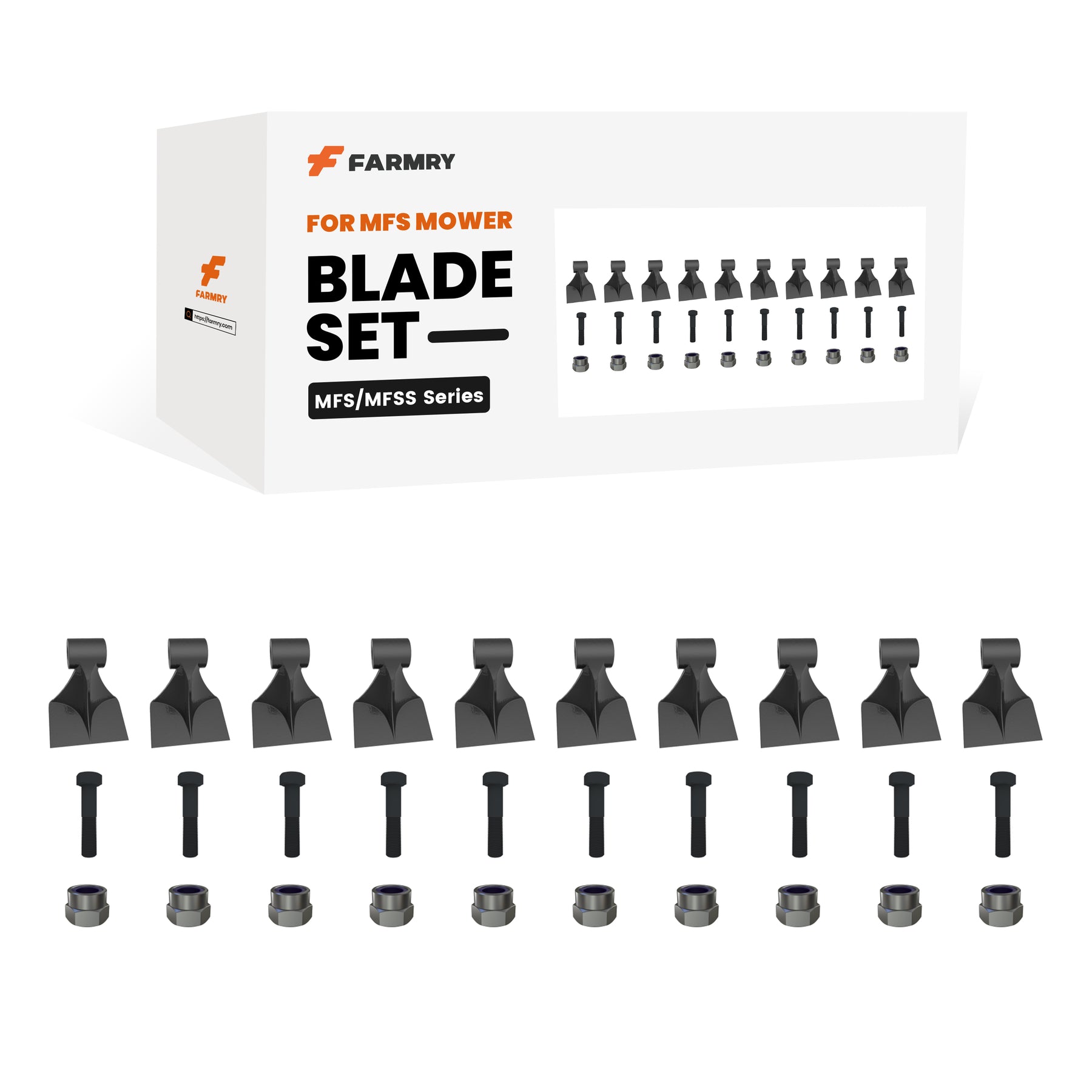
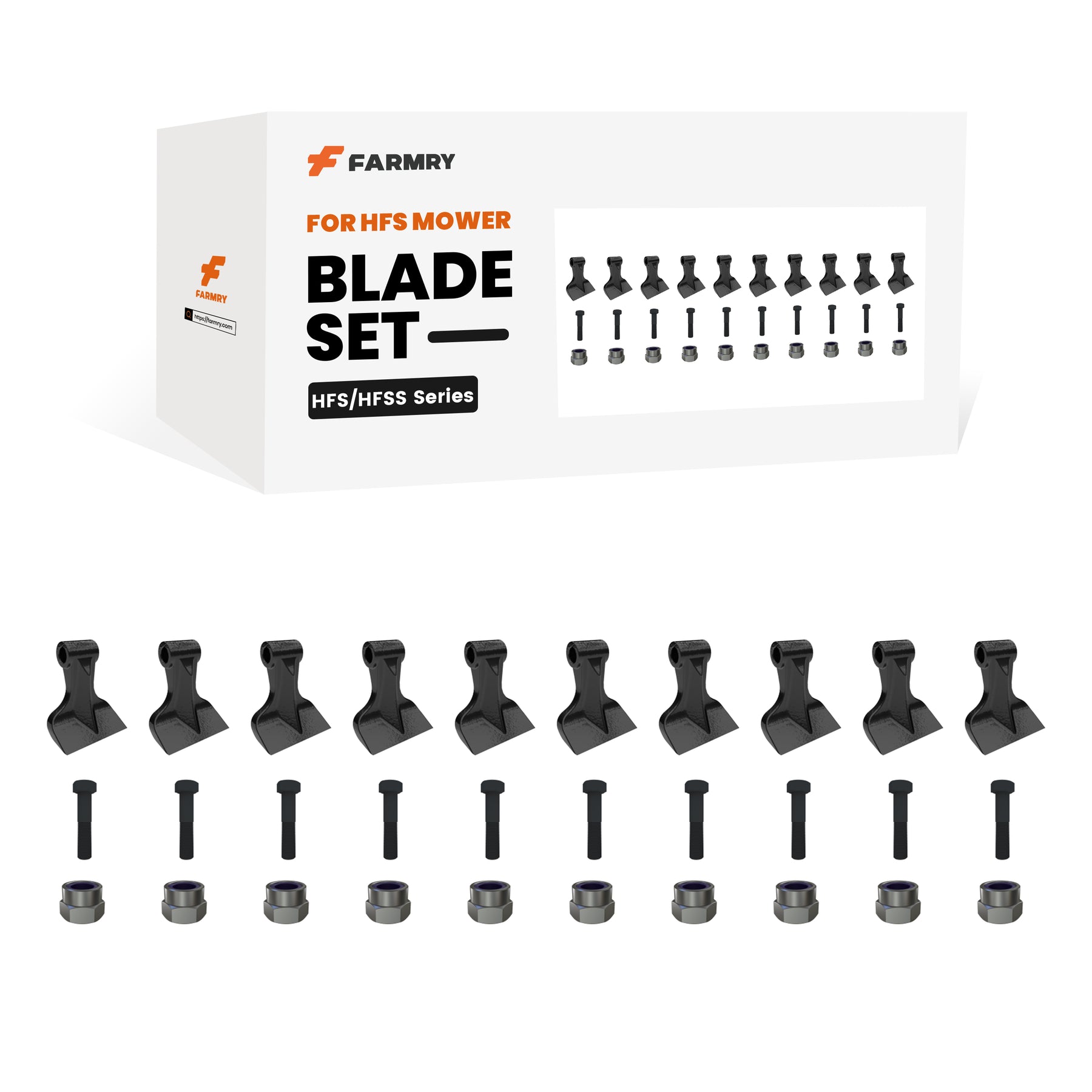
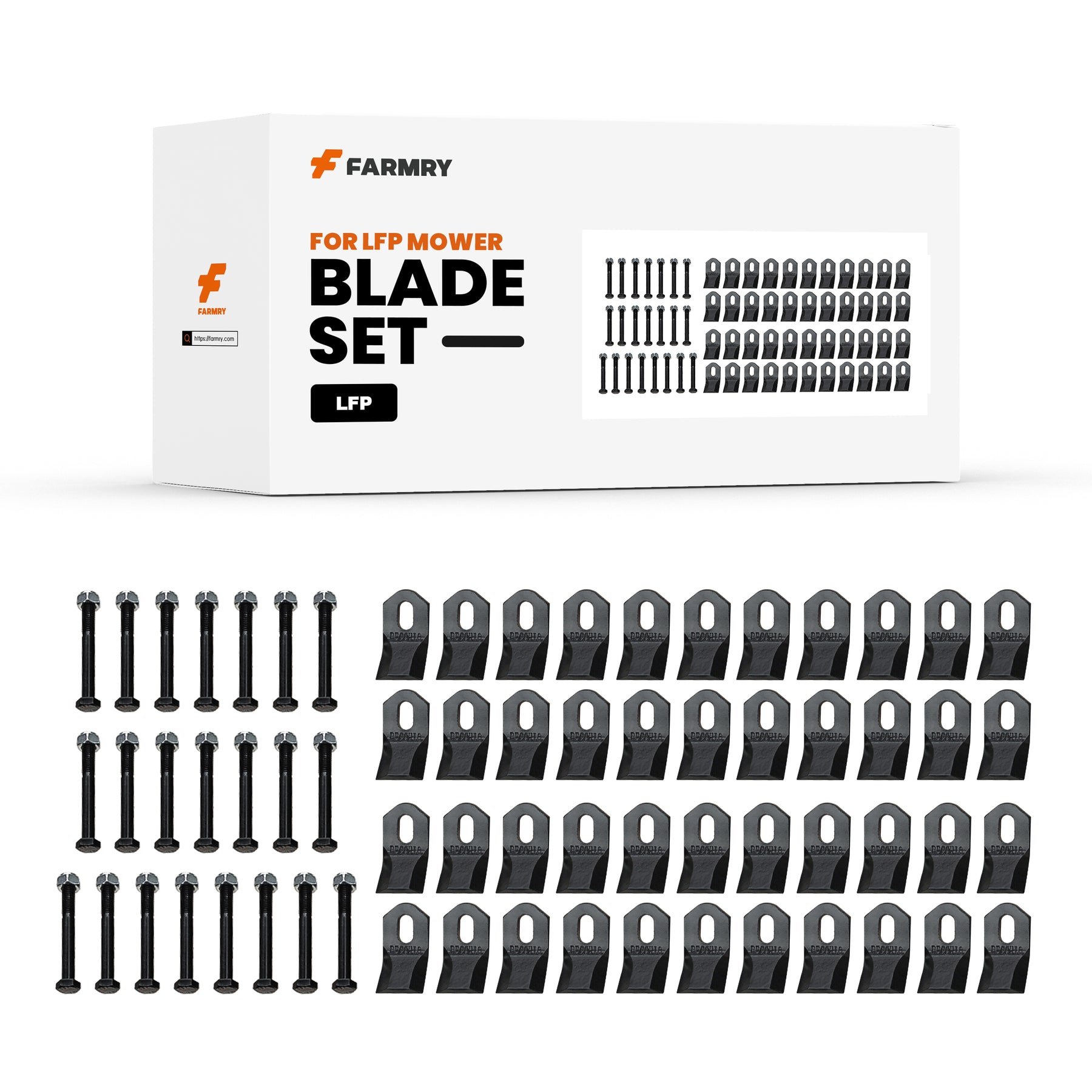
you may also like










What Is a Flail Mower?
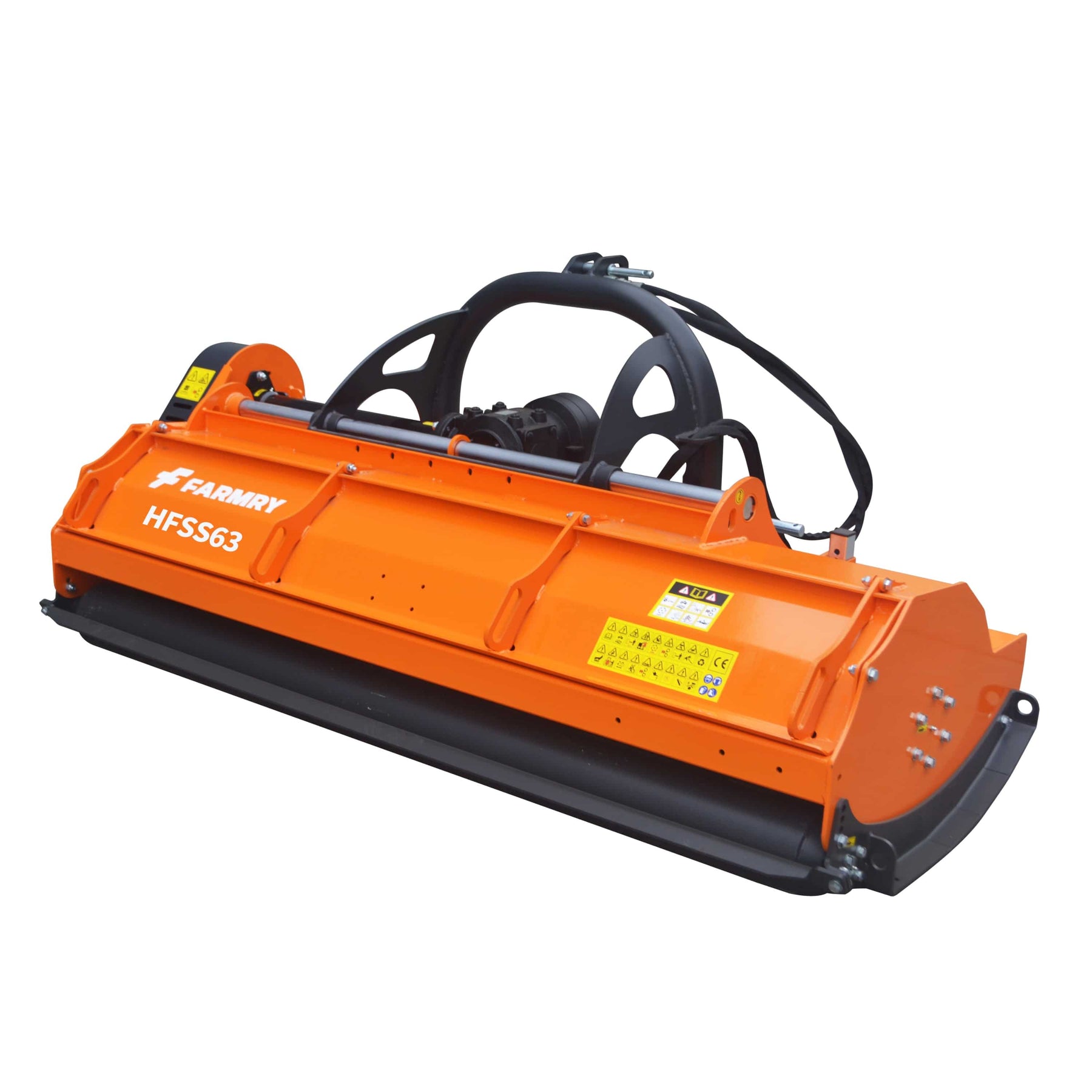
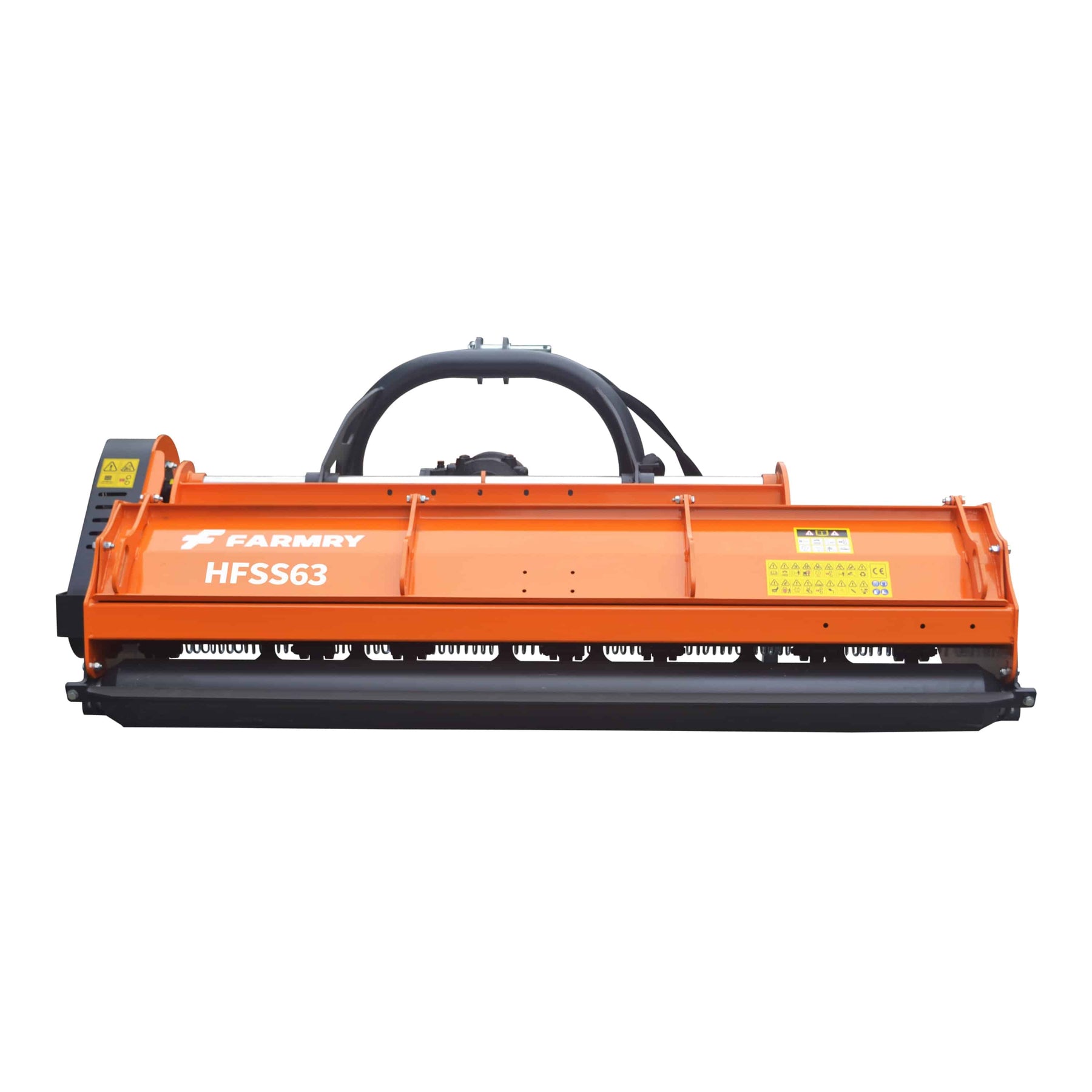
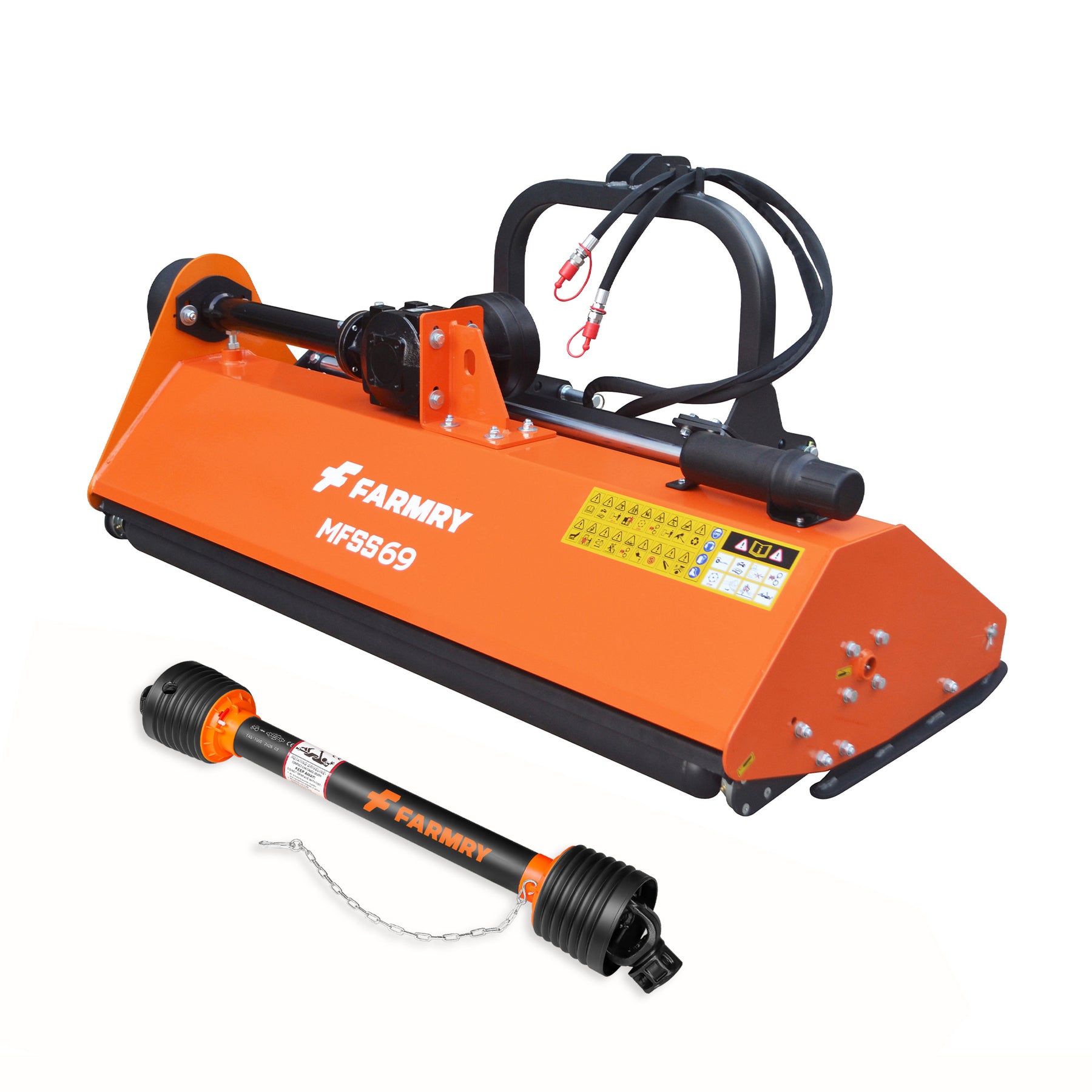
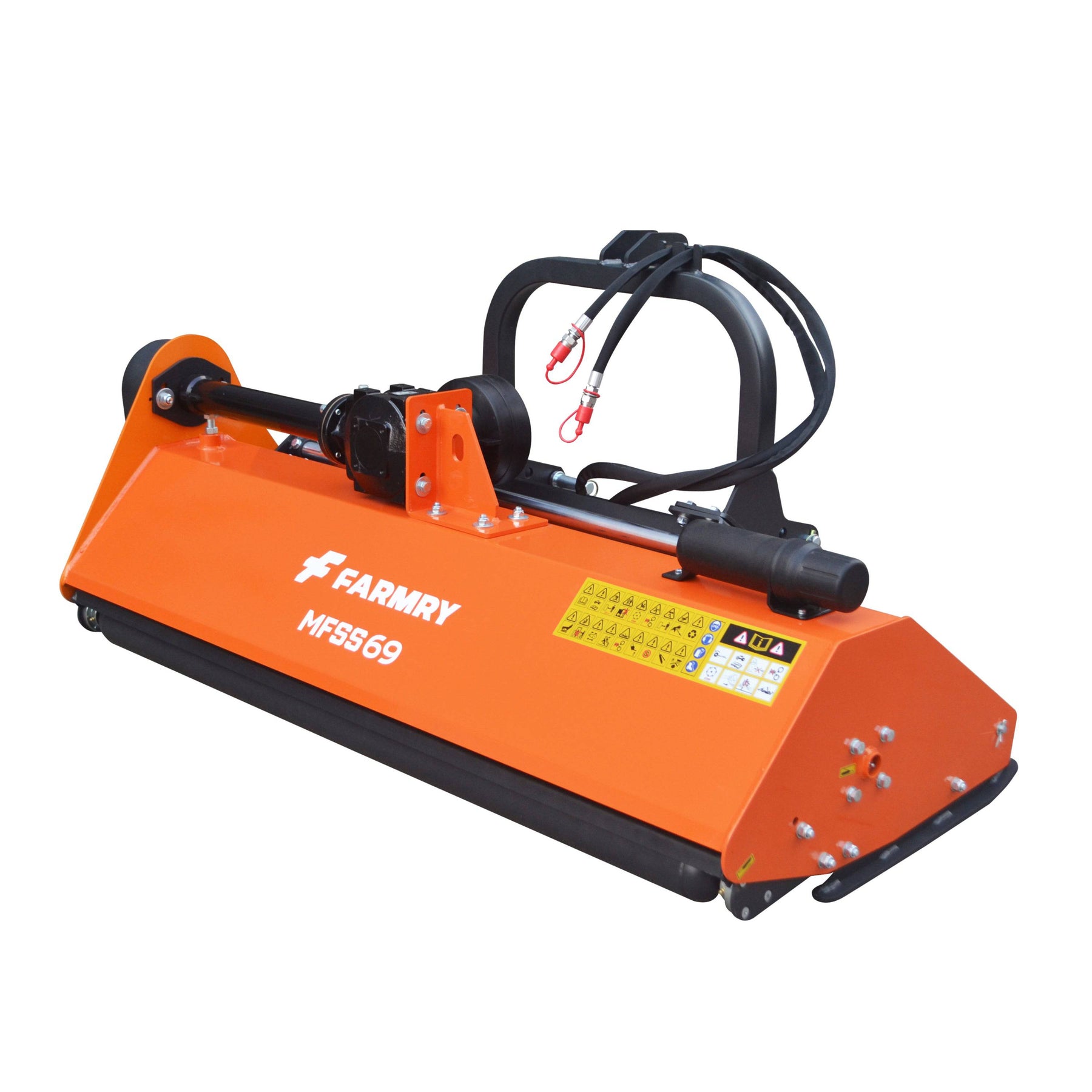
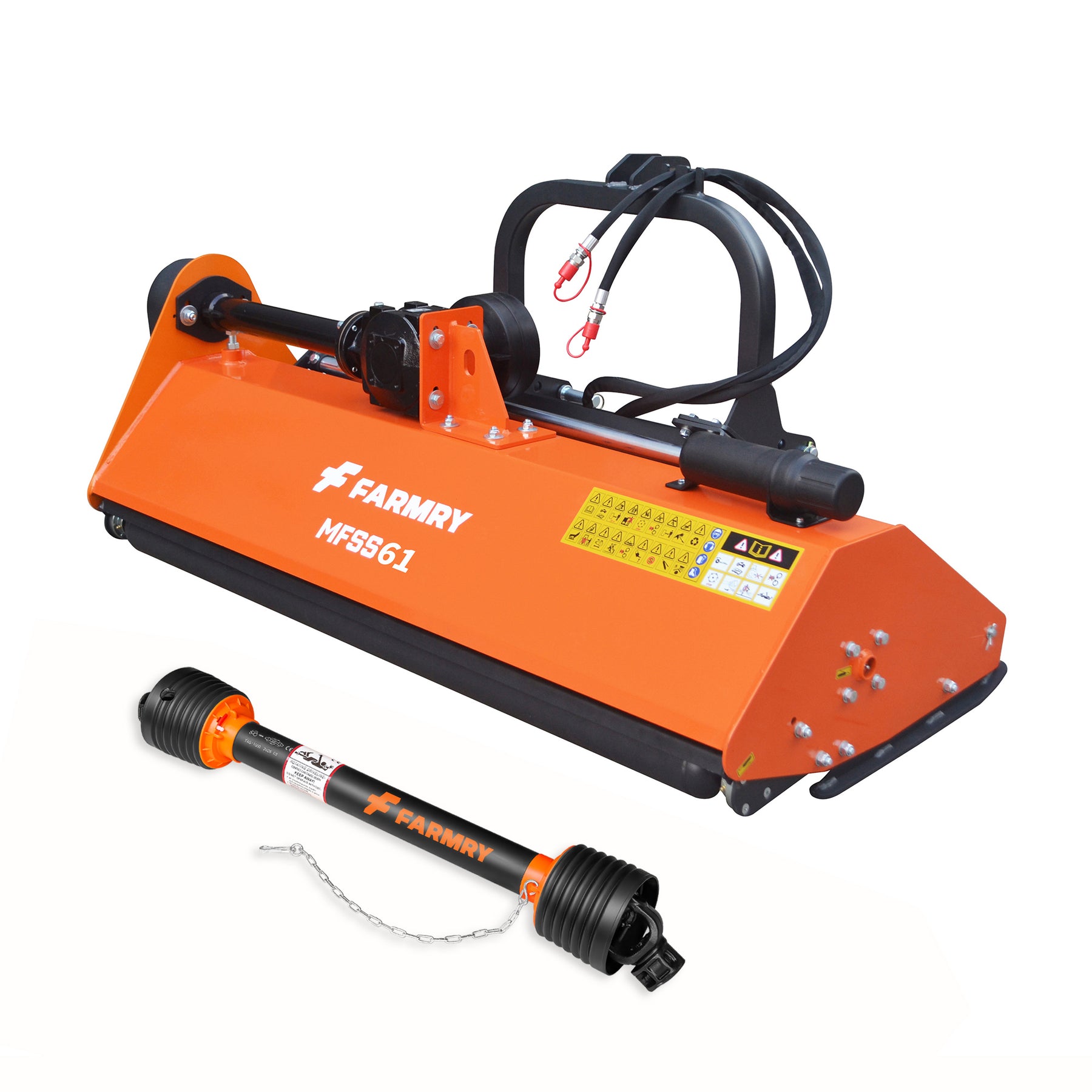
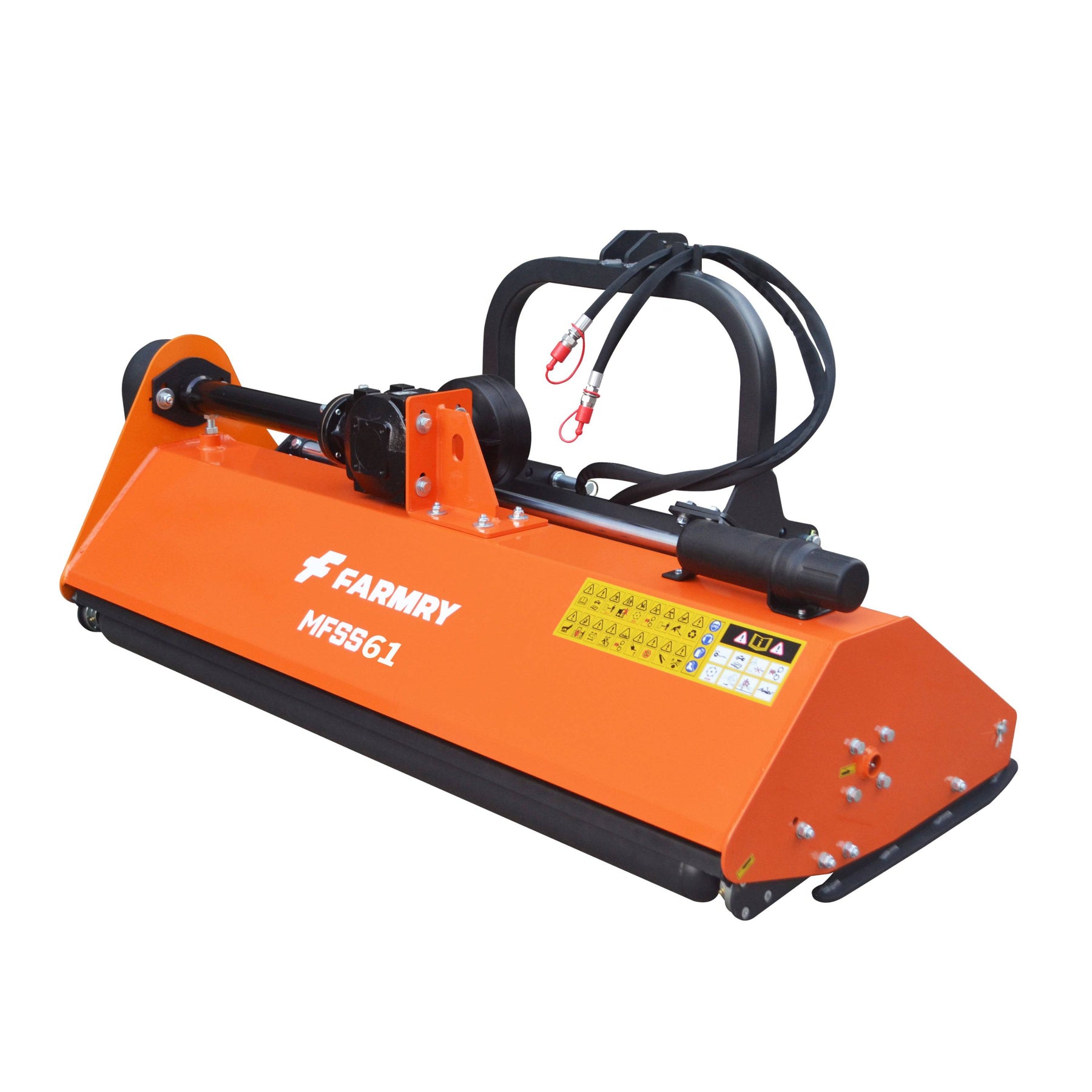
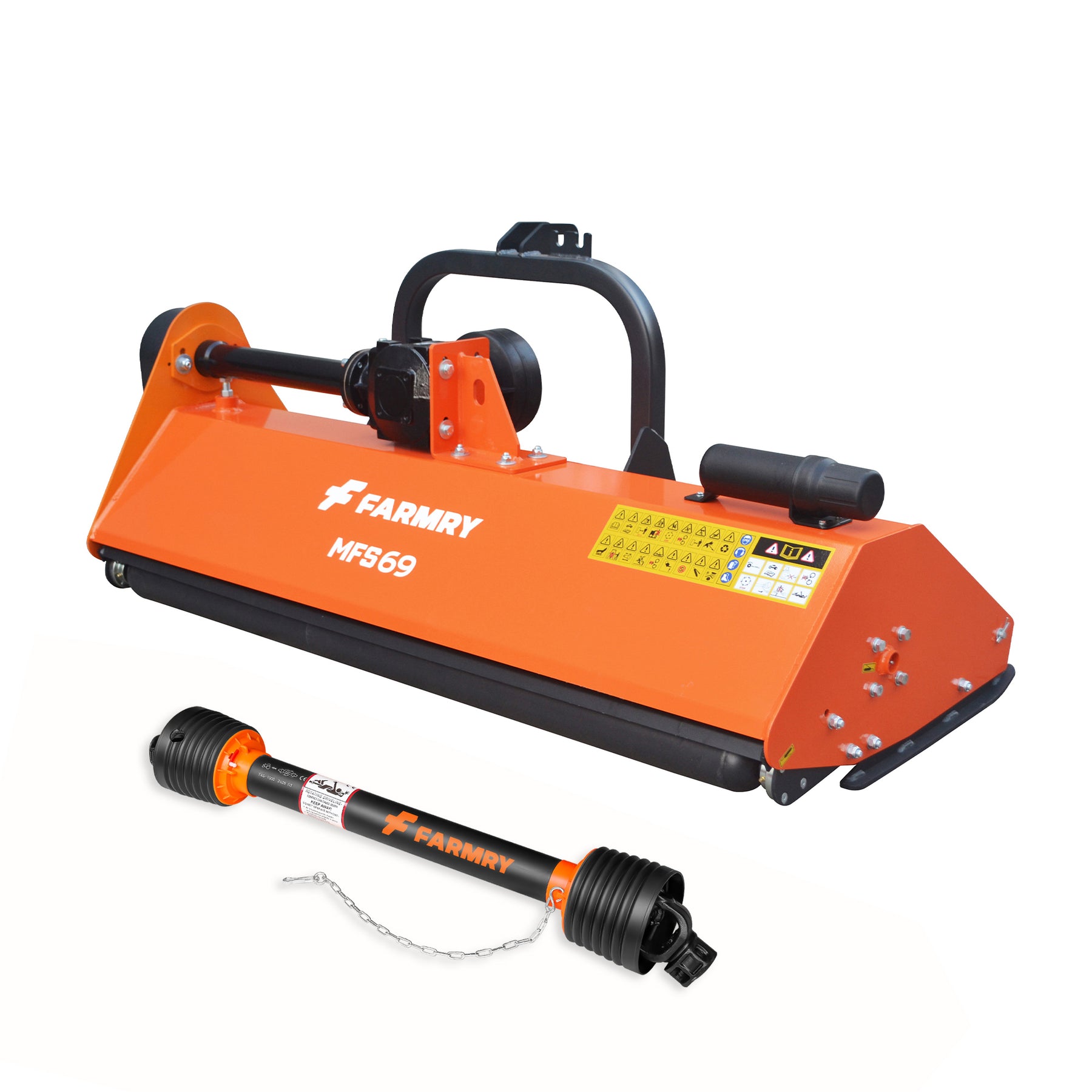
A flail mower is a tractor-mounted mowing attachment designed to cut grass, weeds, and light brush with a clean, controlled finish. Instead of using one large spinning blade like a rotary cutter, a flail mower uses a horizontal rotor fitted with multiple flail blades or hammer blades to break down vegetation more evenly and reduce debris throw. This makes flail mowers a practical choice for property owners, farmers, and land managers who need safer, more precise mowing across fields, trails, orchards, roadsides, and uneven ground.
Types of Flail Mowers
Farmry offers several types of flail mowers to match different mowing conditions and tractor applications.
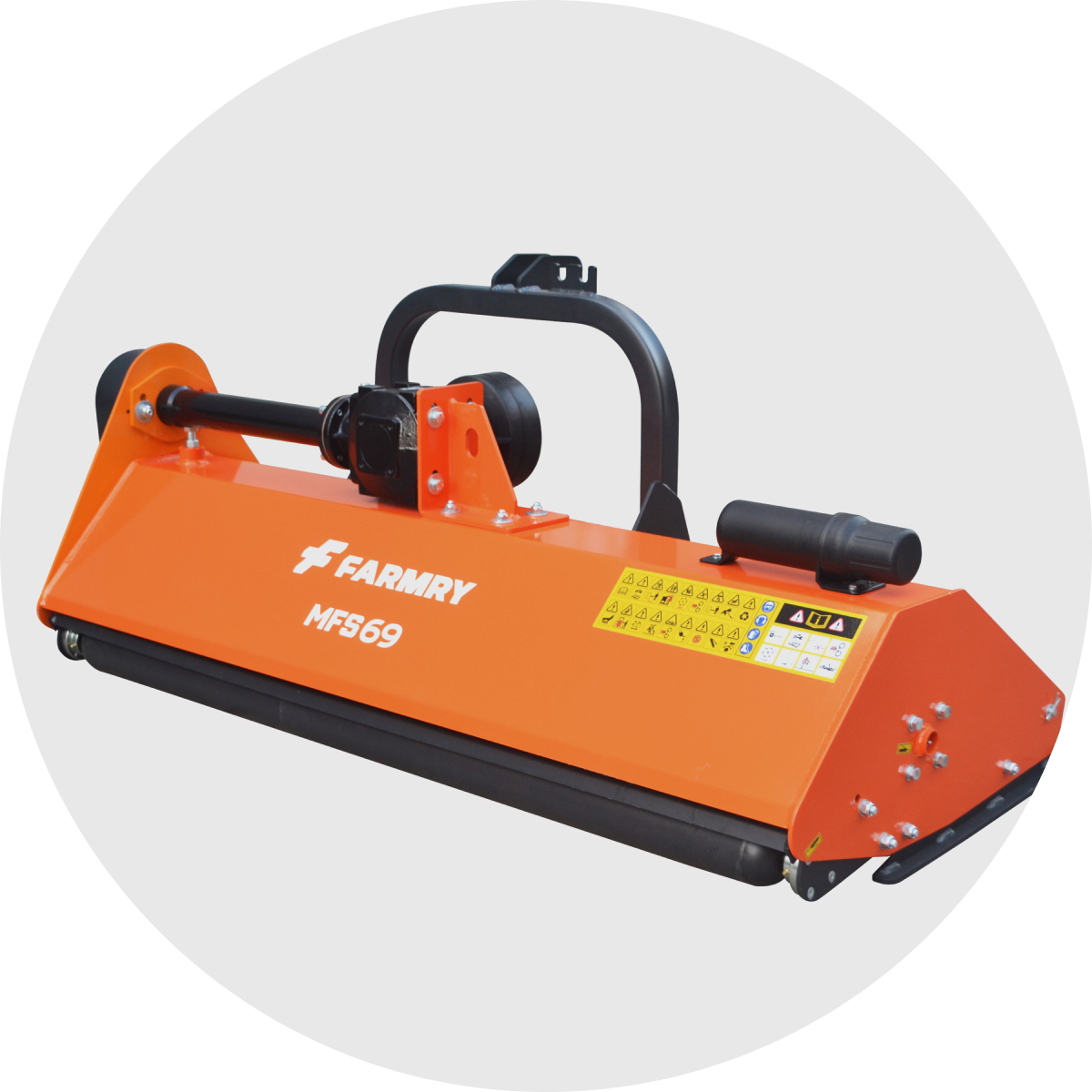
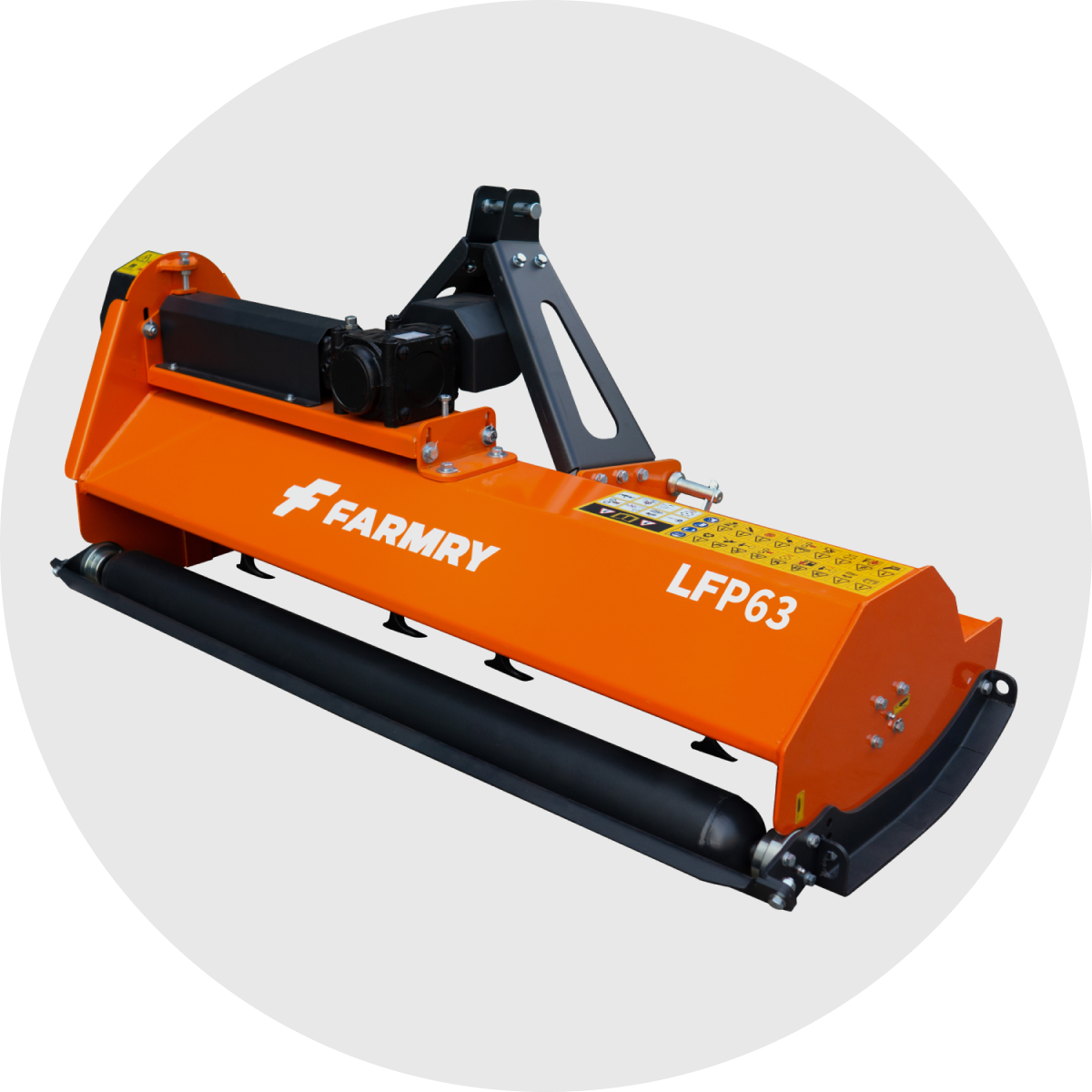
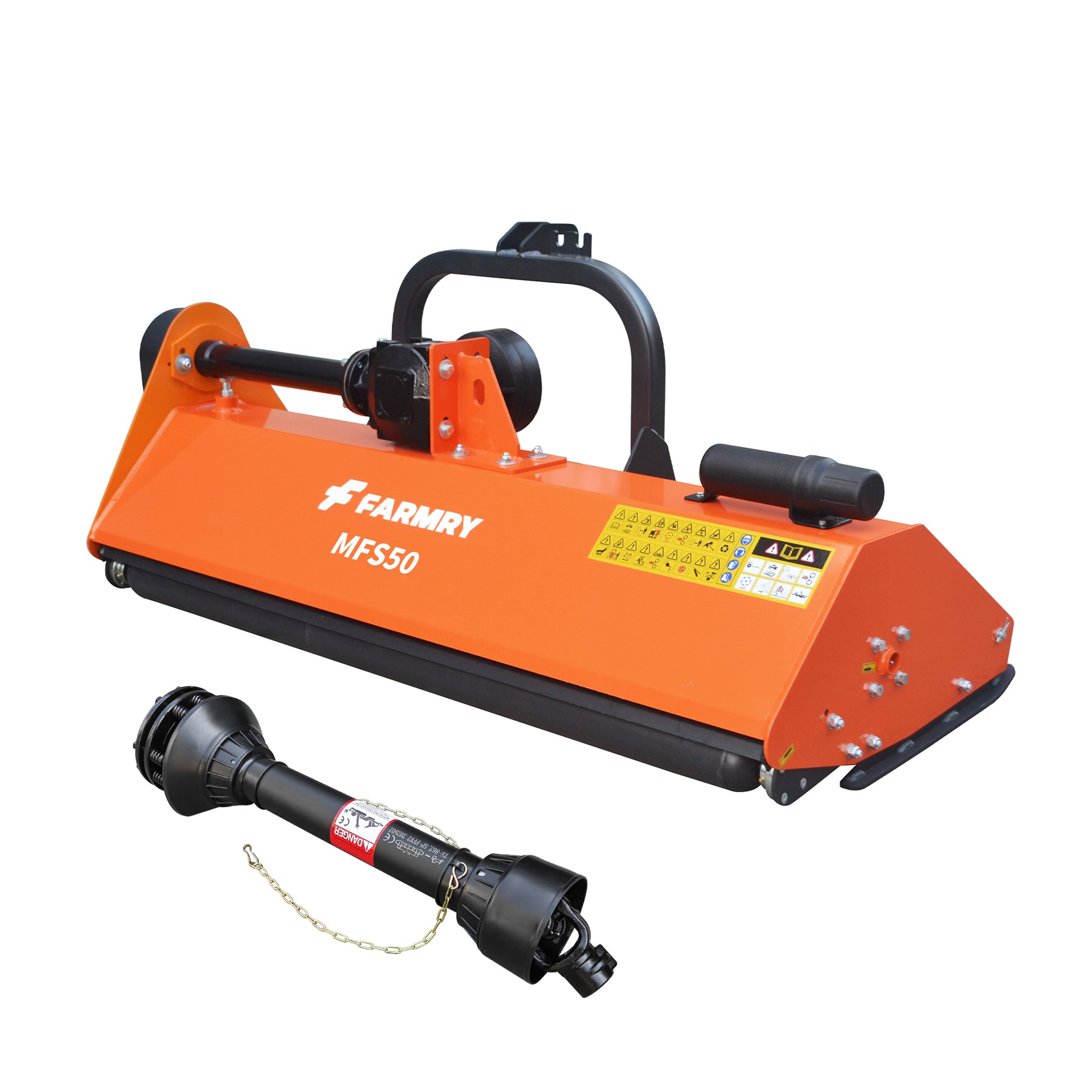
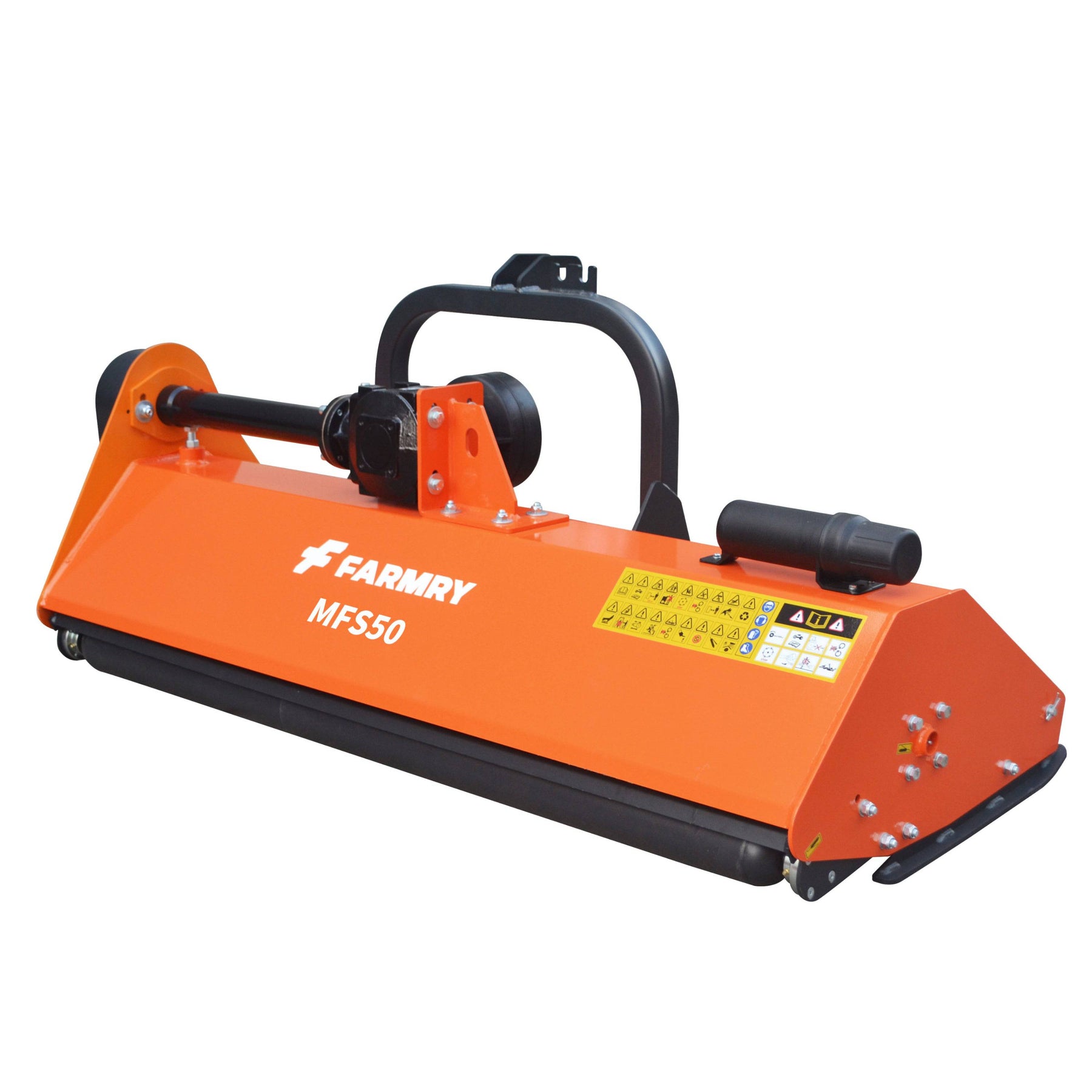
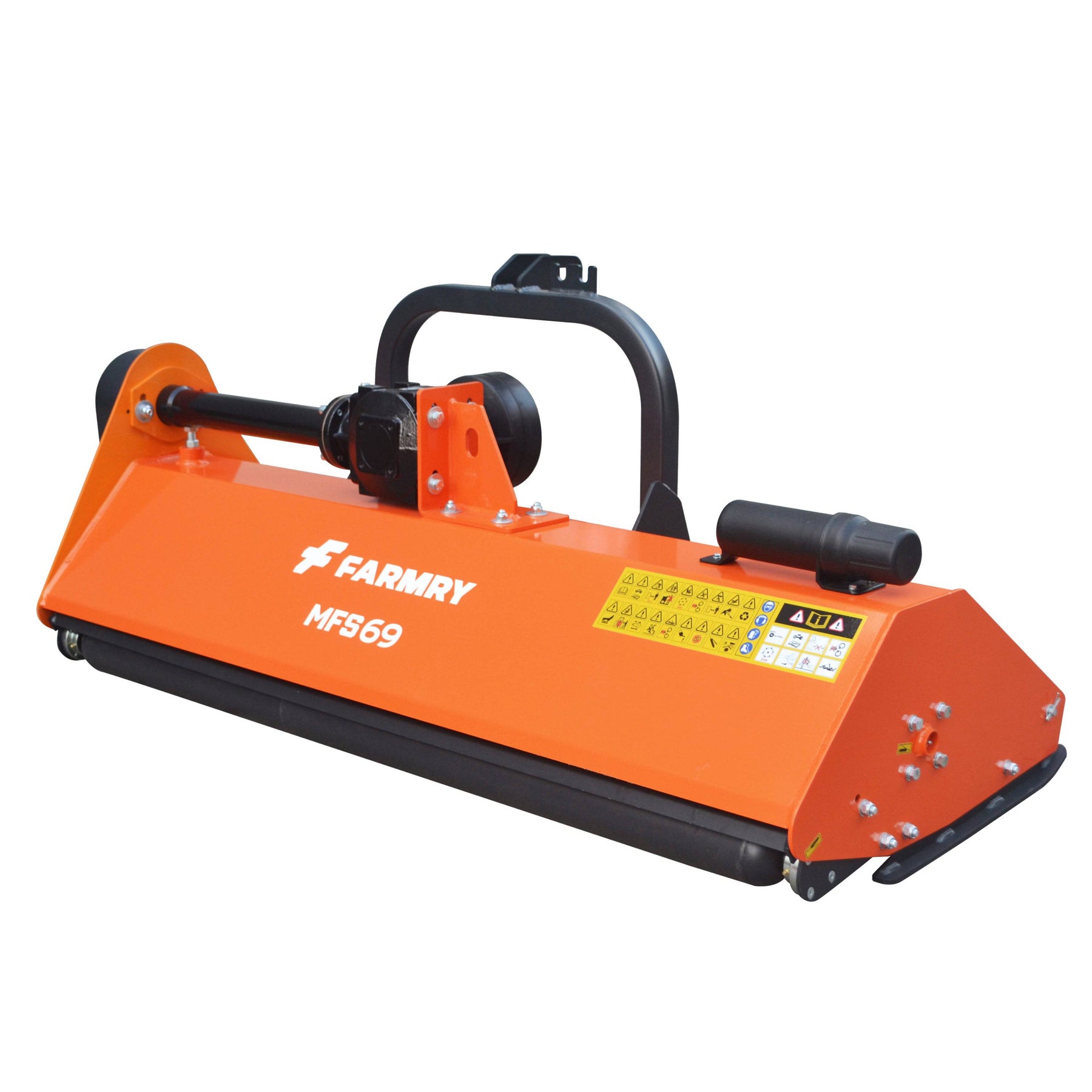
3 Point Flail Mowers are ideal for standard rear-mount mowing, pasture upkeep, and general field maintenance. They are a strong choice for operators who need dependable cutting performance for grass, weeds, and routine vegetation control.
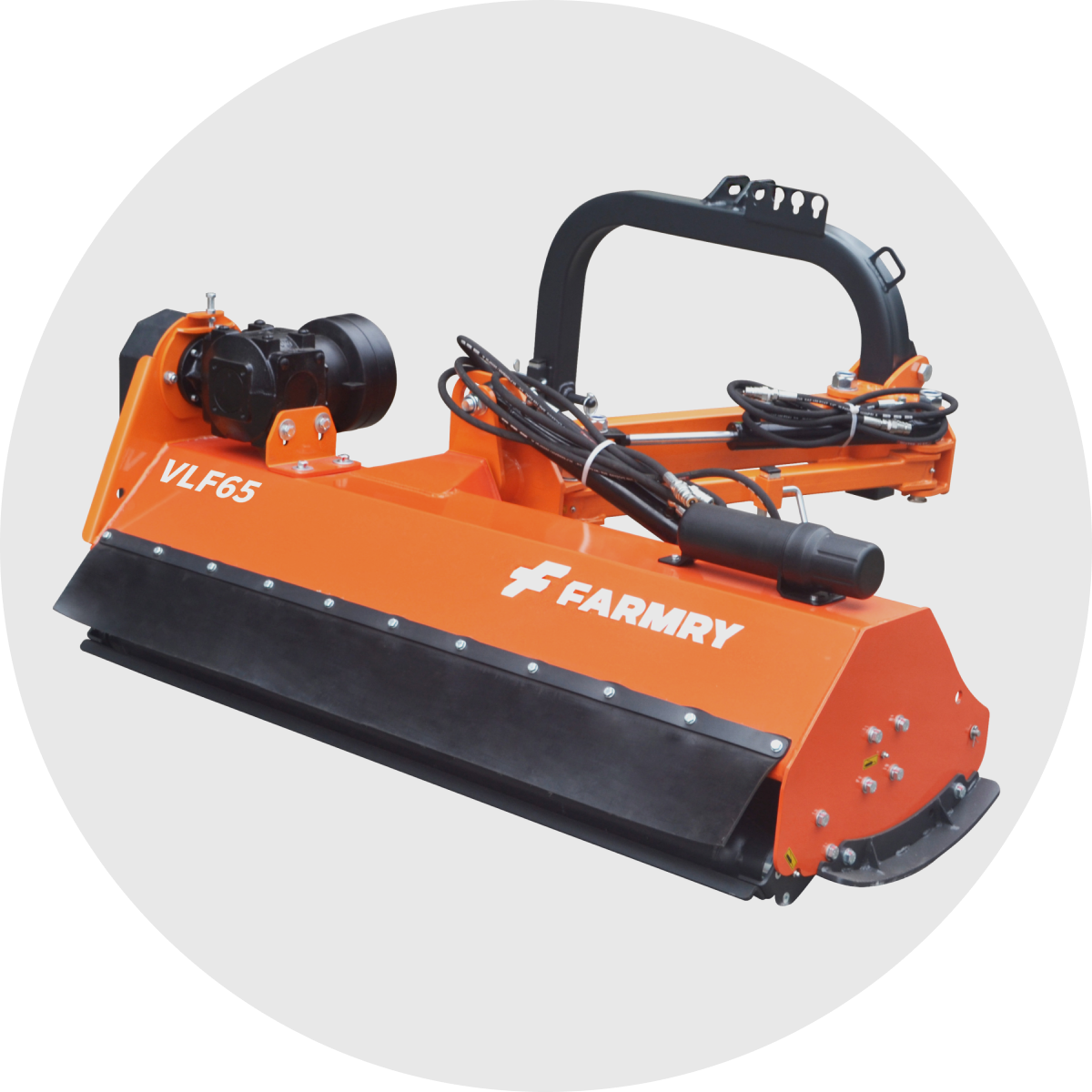
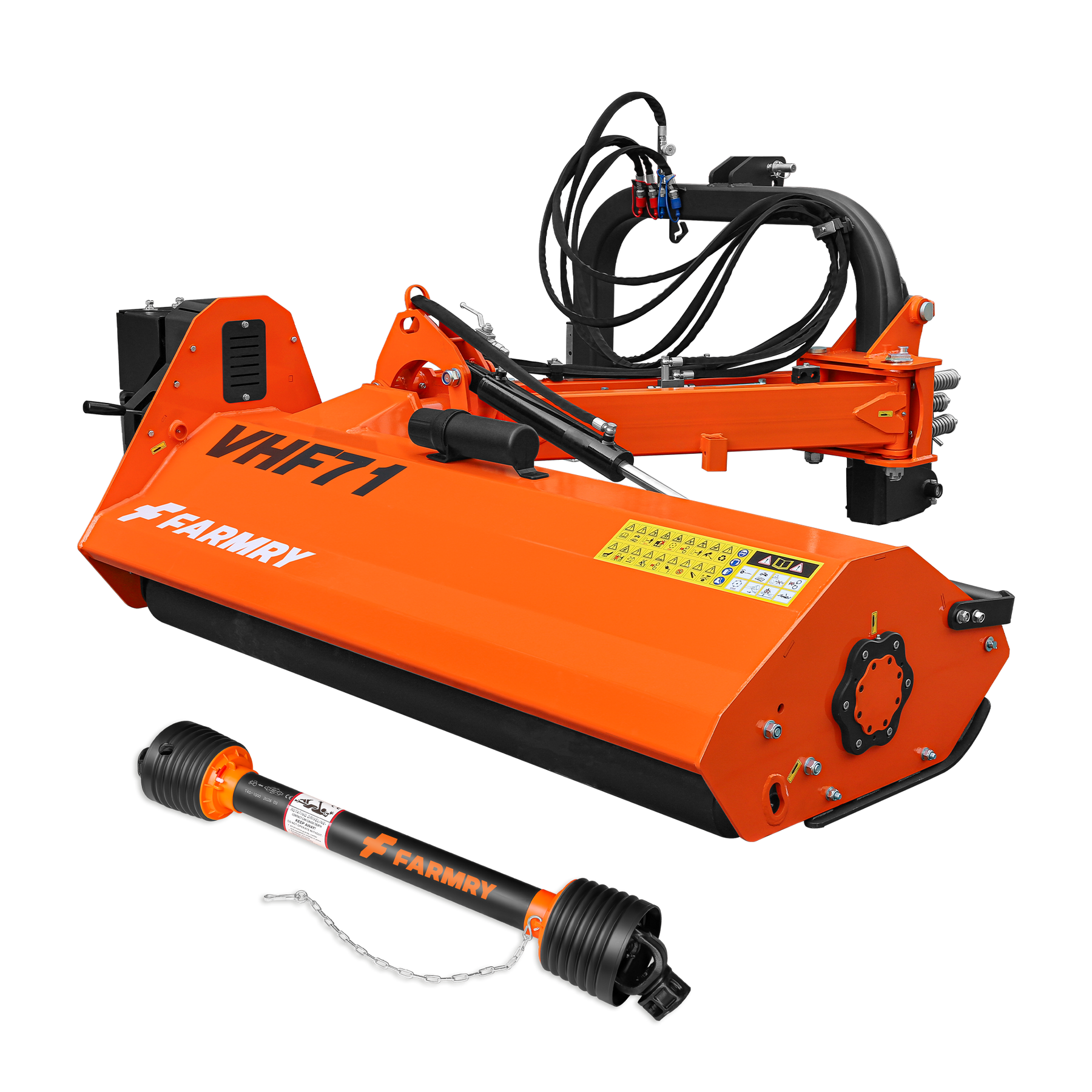
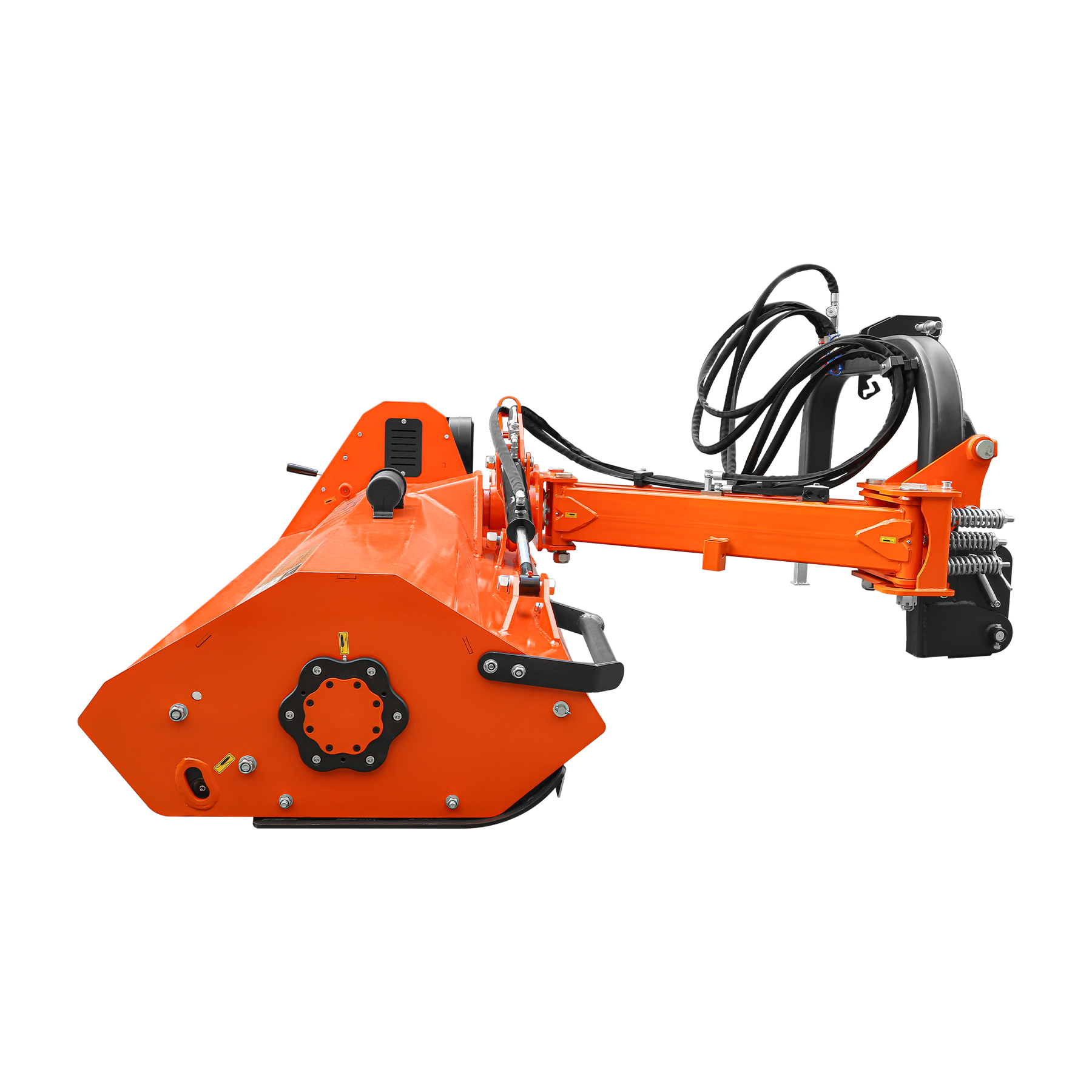
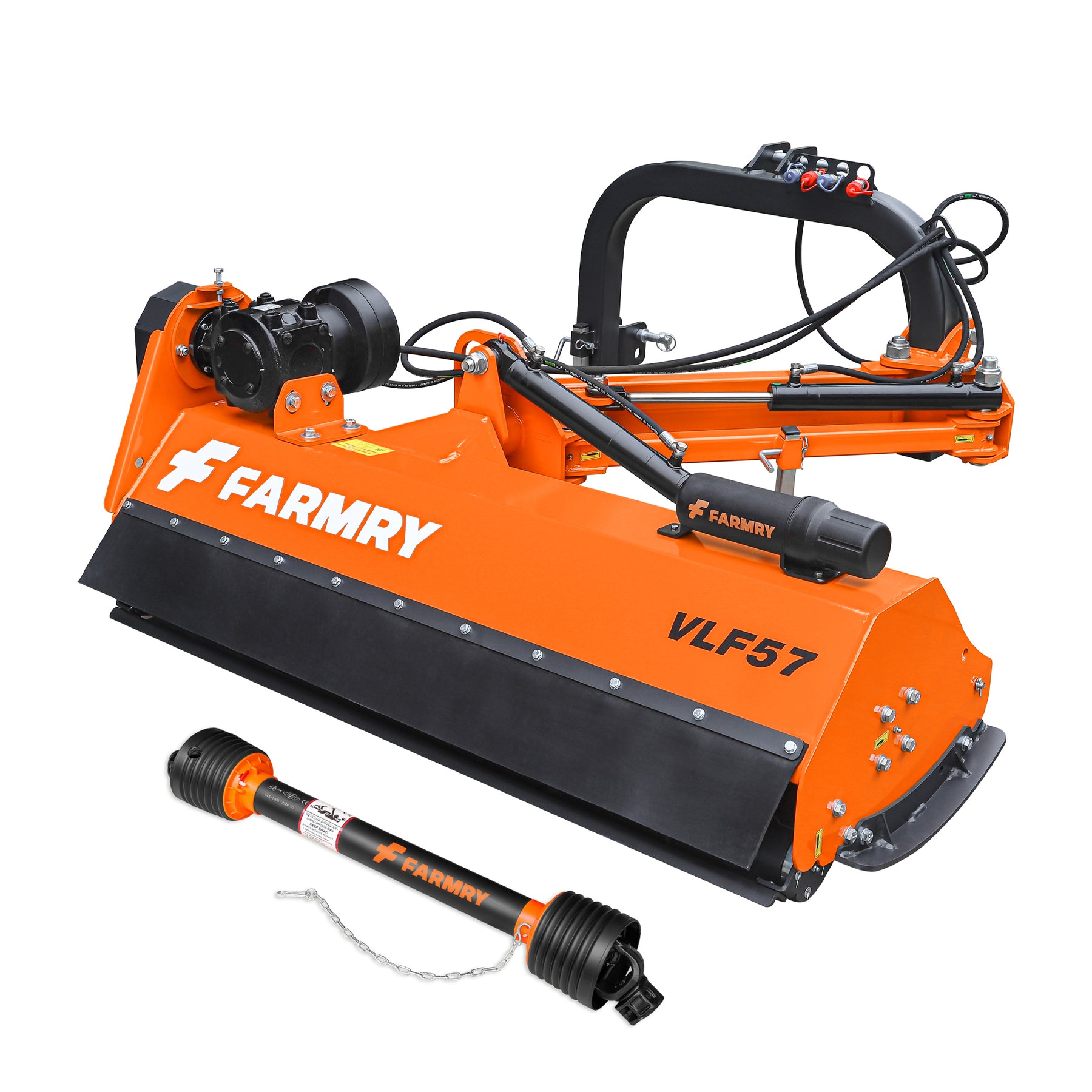
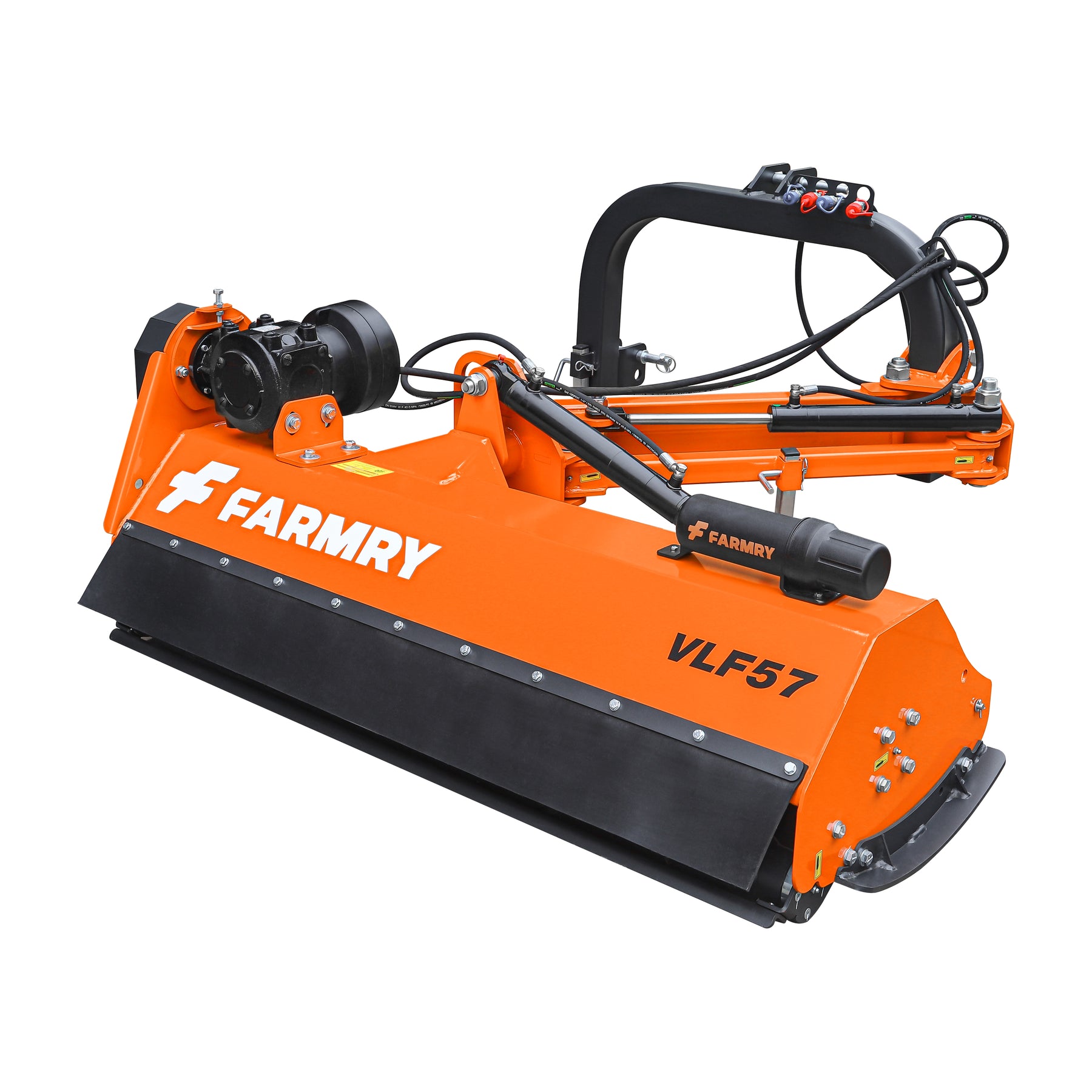
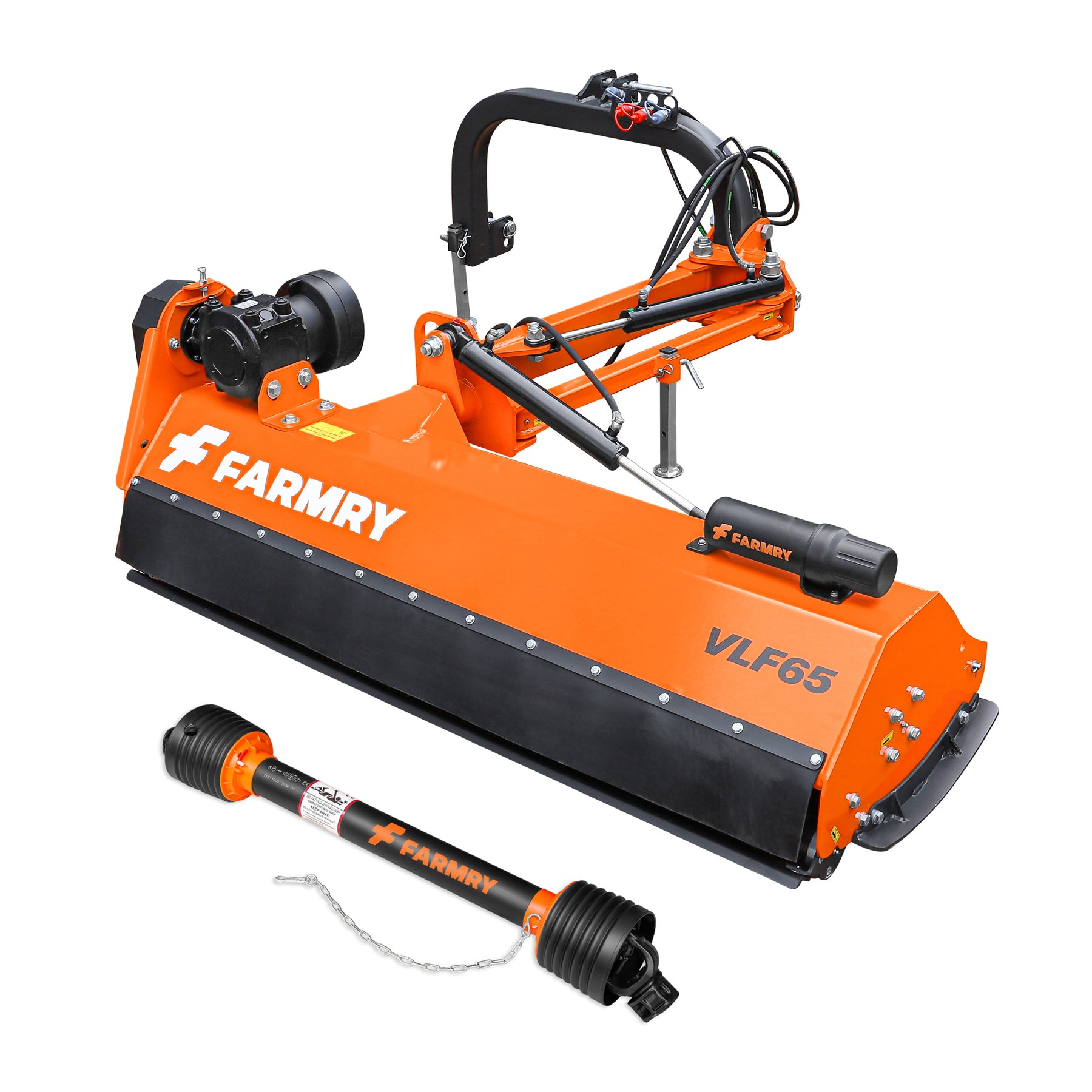
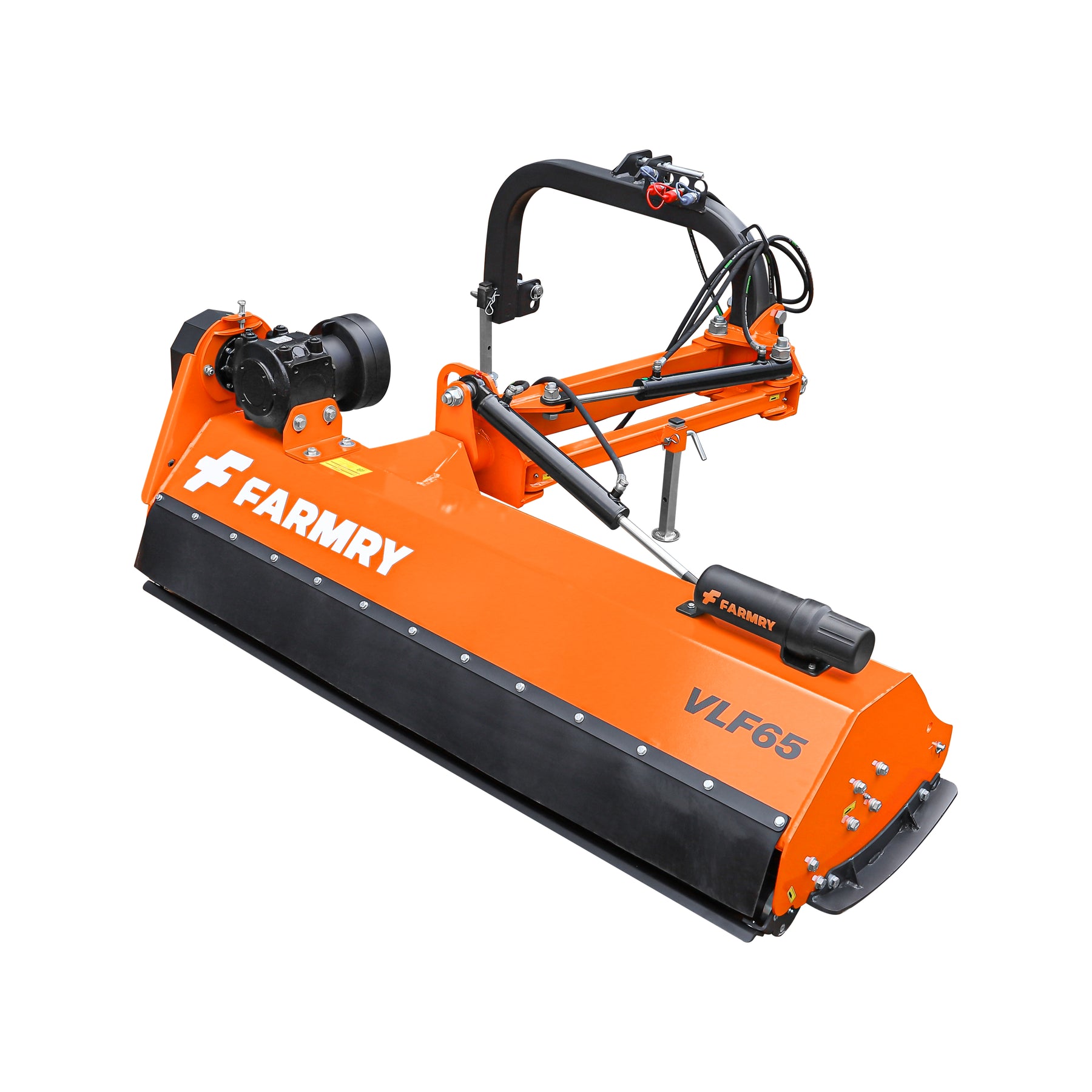
Offset Flail Ditch Bank Mowers are designed for slopes, road edges, ditches, and other hard-to-reach areas where additional reach matters. They are better suited for jobs that require mowing beyond the tractor’s direct track width.
Hydraulic Side Shift Flail Mowers offer more flexibility when mowing along fence lines, orchards, vineyards, and uneven terrain. Side-to-side hydraulic adjustment helps operators work more precisely around trees, posts, and obstacles.
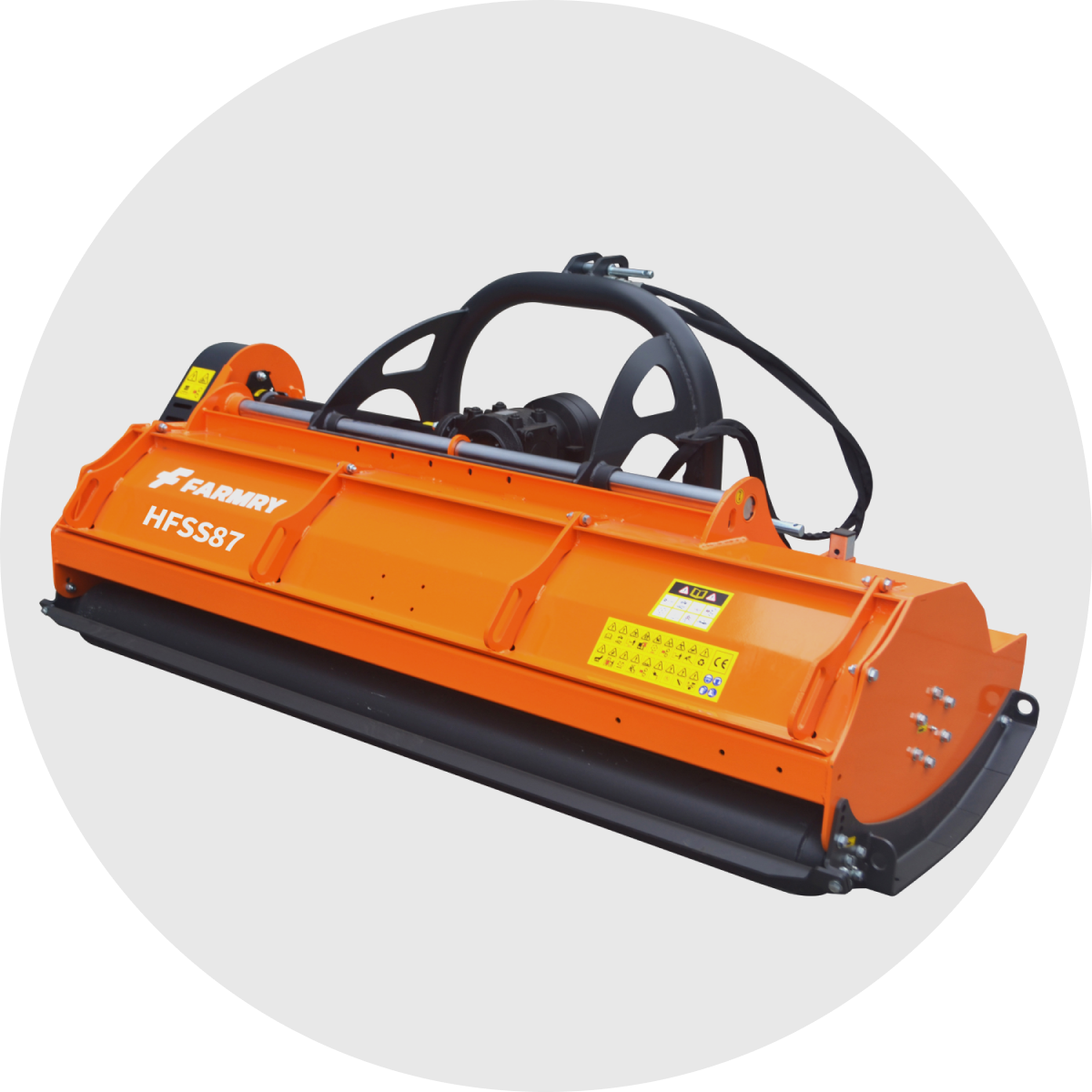
Pro Series Flail Mowers are built for heavier-duty mowing, thicker vegetation, and longer working hours. They are a better fit for operators who need a stronger machine for more demanding use.
How to Choose the Right Flail Mower
Start by matching the mower to your tractor horsepower. A properly matched flail mower will maintain rotor speed more effectively and deliver smoother cutting performance.
Next, choose the right cutting width for your property and working area. Wider models cover open ground faster, while narrower mowers are easier to handle around trees, fences, and tighter spaces.
Finally, consider your mowing conditions. A standard 3 point flail mower works well for general grass and weed cutting, while offset and hydraulic side shift models are better for slopes, ditch banks, orchards, and fence-line work. For thicker vegetation and heavier workloads, a pro series flail mower is often the better choice.
FAQs
Which flail mower will fit my compact tractor?
Which flail mower will fit my compact tractor?
The right mower depends on PTO horsepower, hitch category, lift capacity, cutting width, rotor weight and vegetation. Farmry’s LFS45, LFS53 and LFS61 are listed for 15–35 HP tractors. Tractor HP is not the same as PTO HP
How wide should my tractor flail mower be?
How wide should my tractor flail mower be?
Choose working width—not overall machine width—based on tractor power, lift capacity and access. Wider mowers cover open fields faster, while narrower models are easier around gates, trees and orchard rows. Compare our 3-point flail mowers, and leave sufficient power reserve for dense vegetation rather than selecting the widest mower your tractor can lift.
Does a flail mower leave a finer finish than a brush hog?
Does a flail mower leave a finer finish than a brush hog?
A flail mower generally offers finer mulching and better debris control, making it useful for pasture, orchards and regular property maintenance. A brush hog is often better suited to rough cutting in open areas. Neither design eliminates thrown-debris hazards. Our flail mower vs. brush hog comparison explains how to choose by vegetation, terrain and desired finish.
Can I use a flail mower for tall grass and light brush?
Can I use a flail mower for tall grass and light brush?
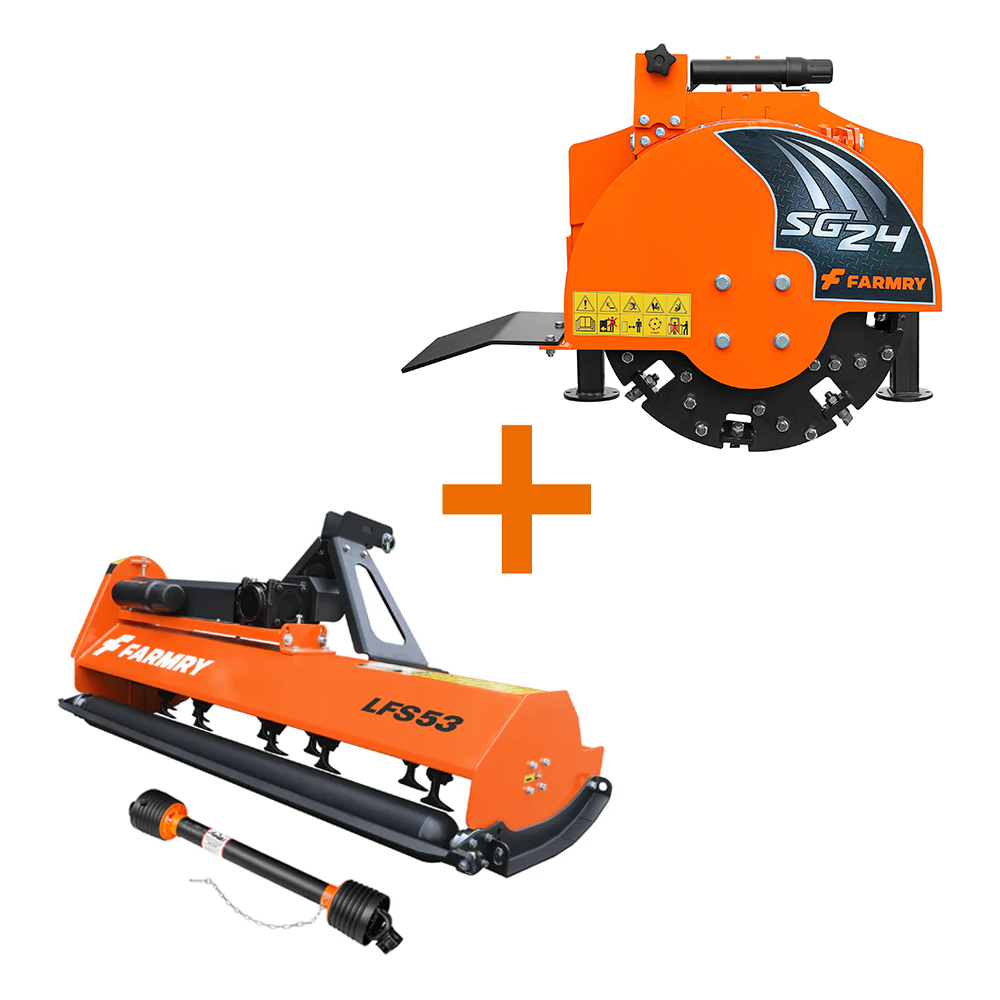
Yes, within the selected model’s rated vegetation capacity. For example, Farmry lists the LFS53 flail mower for shrubs and weeds up to 0.8 inches (2 cm) in diameter. This rating applies to the LFS series, not every flail mower. Match the machine and blade type to your vegetation, and check the model’s specifications before tackling woody growth.
Should I choose an offset flail mower for ditch banks?
Should I choose an offset flail mower for ditch banks?
For banks and roadside edges requiring lateral reach and mower-head tilt, compare our offset flail ditch bank mowers. Hydraulic side shift moves a mower sideways but does not automatically provide ditch-bank articulation. Check reach, hydraulic connections, implement weight and operating limits. A mower-head tilt angle is not a safe operating slope rating for your tractor.
Do PTO flail mowers need rear hydraulic remotes?
Do PTO flail mowers need rear hydraulic remotes?
The PTO drives the cutting rotor; rear hydraulics control side shift or articulation. Fixed-position models do not need side-shift hydraulics. Farmry’s hydraulic side-shift flail mowers specify 540 RPM PTO and require compatible rear hydraulic connections. Confirm the selected model’s couplers, hydraulic controls and PTO-shaft fitment in the product manual before purchase.
Relevant Blogs


