 Skip to content



you may also like




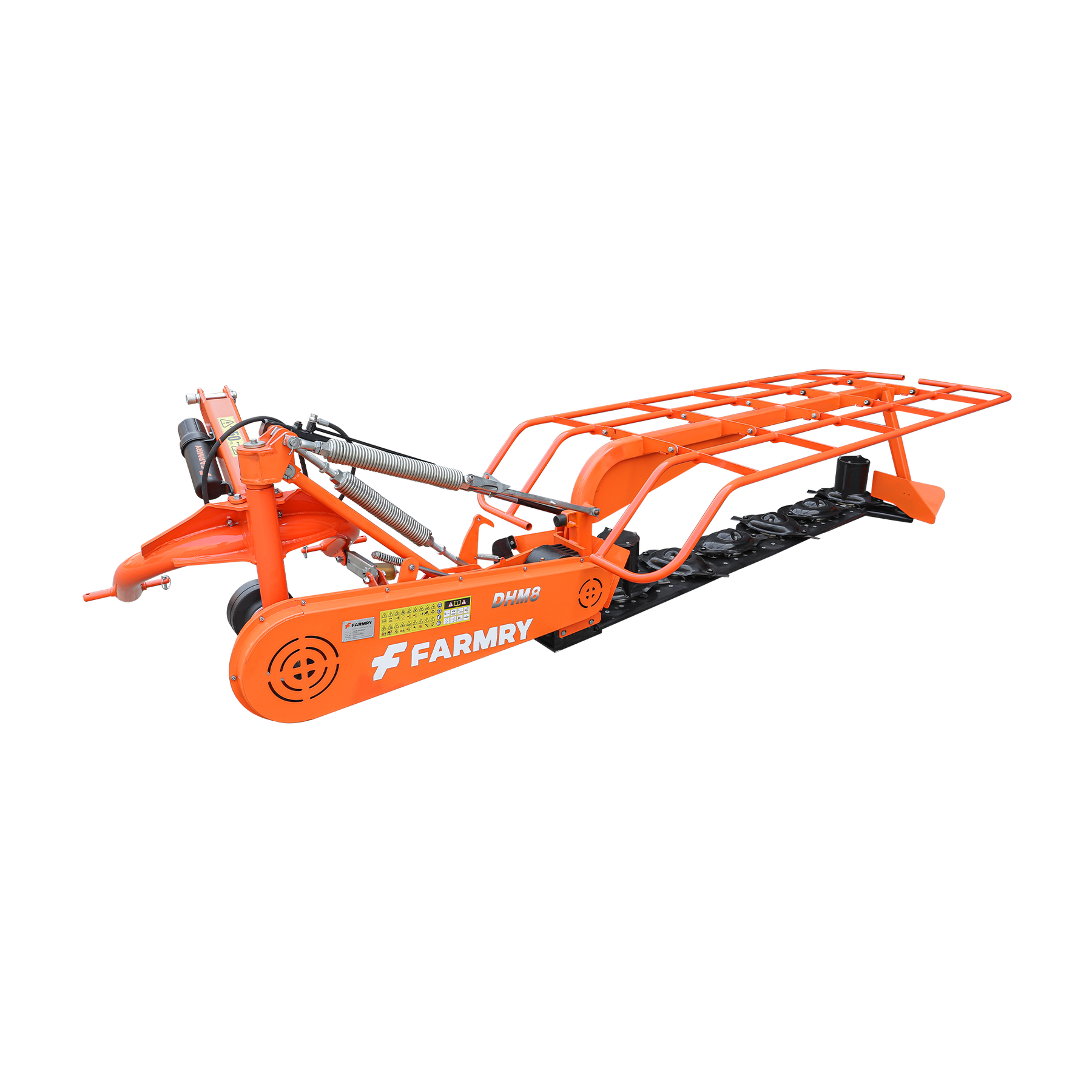
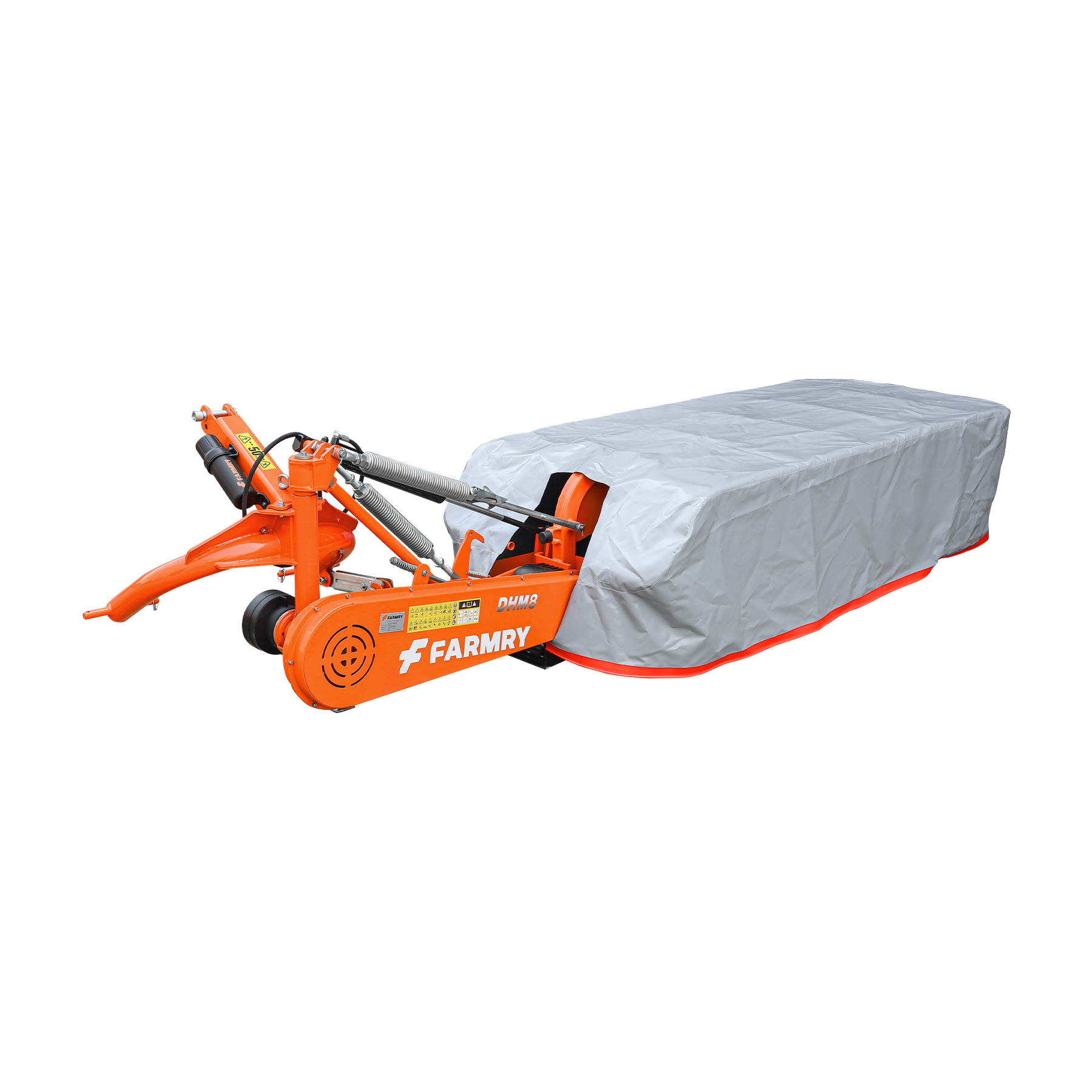
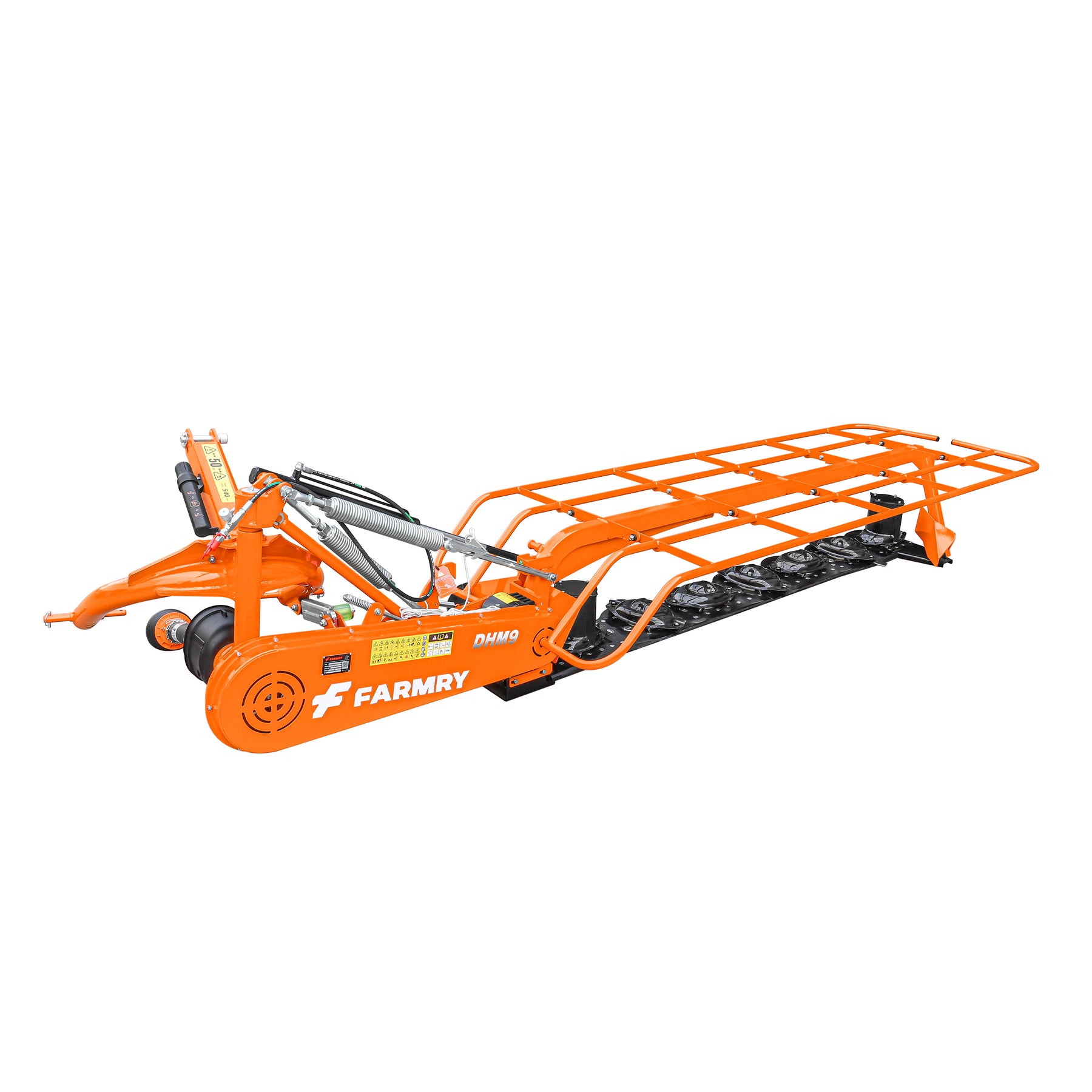
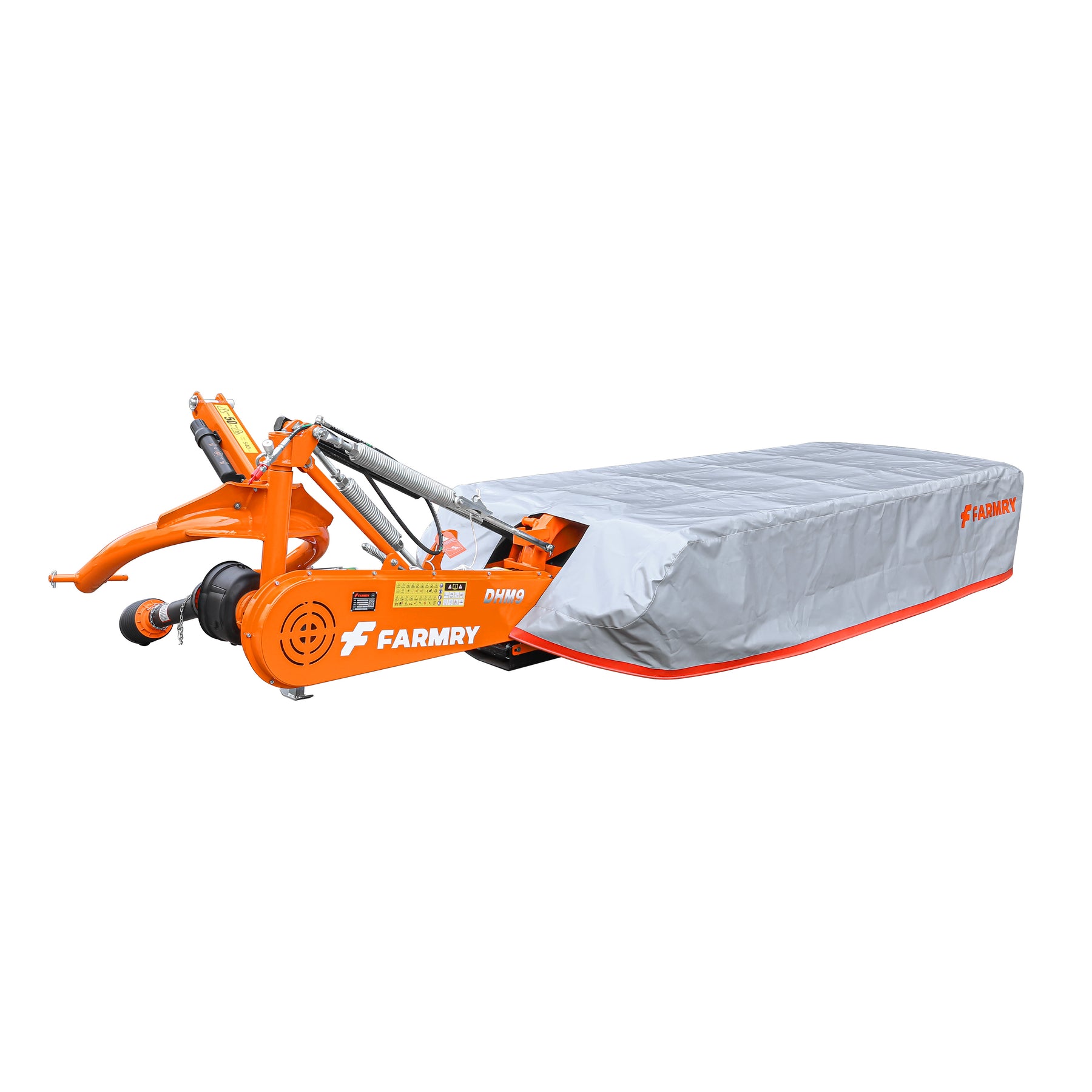








Durable Hay Rakes for Clean Windrows and Gentle Crop Handling
The hay rakes in this collection are designed to form clean, uniform windrows while protecting crop quality. Durable teeth, and proper clearance help gather and spread hay efficiently with minimal leaf loss. Compared with ground-driven systems, these PTO-driven rakes offer smoother, more controlled raking hay performance.
Find Hay Rake Models That Match Your Tractor and Field Size
This collection features hay rake models compatible with common tractor setups using a standard 3-point hitch. Adjustable working width makes it easier to handle different field sizes and hay volumes, supporting efficient raking for both smaller operations and larger acreage.
FAQs
What is a hay rake used for?
What is a hay rake used for?
A hay rake is used for raking hay into windrows after cutting, helping hay dry evenly and making the baling process more efficient.
Are these hay rakes compatible with most tractors?
Are these hay rakes compatible with most tractors?
Yes. The hay rakes in this collection are designed to work with a wide range of tractor models using a standard 3-point hitch and PTO connection.
How does adjustable working width help during haymaking?
How does adjustable working width help during haymaking?
Adjustable working width allows operators to match field conditions, crop volume, and baler requirements, improving efficiency and saving time during harvest.
Can these hay rakes be used with a tedder?
Can these hay rakes be used with a tedder?
Yes. Many operators use a tedder first to fluff and dry hay, then follow with a hay rake to form clean, consistent windrows.
What types of hay crops can these rakes handle?
What types of hay crops can these rakes handle?
These rakes are suitable for various hay crops, including alfalfa, grass hay, and straw, and can work with both dry and slightly damp forage.
How do these hay rakes differ from wheel rakes?
How do these hay rakes differ from wheel rakes?
Unlike ground-driven wheel rakes, these PTO-driven hay rakes provide more controlled raking action and gentler crop handling, helping protect forage quality and maintain uniform windrows.
What is a rotary rake?
What is a rotary rake?
A rotary rake is a specialized hay tool designed to gently gather hay or forage into windrows for drying and subsequent baling. Unlike ground-driven wheel rakes, it is typically powered by the tractor’s PTO (Power Take-off), ensuring consistent performance across different crop conditions and speeds. Equipped with rotating rotors and multiple tine arms, it lifts and moves crops to form fluffy, uniform windrows. This design minimizes dirt and debris contamination, enabling high-quality forage—an essential focus of Farmry rakes.
What are the benefits of using a rotary rake for hay operations?
What are the benefits of using a rotary rake for hay operations?
For producers pursuing high-quality hay and operational efficiency, rotary rakes offer key advantages:Superior hay quality: Cleaner hay with lower spoilage and higher nutrient retention.Faster, more uniform drying: Fluffy windrows enhance airflow, accelerating hay dry-down for earlier baling.Consistent, well-formed windrows: Facilitates smoother baling or chopping (especially for chopper balers). For example, the Farmry RK98 offers an optional swath curtain for optimized windrow formation.Versatile performance: Handles various crop types and conditions, including wet or heavy hay.
How does a rotary rake support high-quality hay production?
How does a rotary rake support high-quality hay production?
Reduced impurity contamination (lower ash content): By lifting rather than rolling crops, it significantly reduces dirt, rocks, and debris in windrows, delivering cleaner hay. This boosts feeding value and reduces health risks for livestock.Gentle crop handling: Its sweeping action preserves nutrient-rich forage leaves—critical for quality. Fluffy, airy windrows for optimal drying: Light, well-aerated windrows speed up drying, prevent mold growth, and maintain forage freshness. A high-quality bale starts with a high-quality windrow, and models like the RK98 are purpose-built for this.
What are the precautions during the hay raking process?
What are the precautions during the hay raking process?
Do not operate the rotary rake at a PTO (Power Take-off) speed exceeding 540 rpm.During hay raking, adjust the suspension to keep the rotary rake as parallel to the ground as possible, avoiding forward projection or rear tilting.Depending on the hay thickness, adjust via the swath board to form single or double windrows:For double windrows: Rotate the swath board to the upper neutral position (i.e., the board is not used for hay harvesting).If harvesting performance is unsatisfactory, it typically presents in two scenarios with corresponding adjustments:Hay left in the middle of the windrow (incomplete raking): Resolve by appropriately increasing the speed and reducing the travel speed.Poor raking on one side of the rotary rake: Resolve by lowering the wheel height and adjusting the suspension.Harvest height adjustment: Simply adjust the wheel height.