Skip to content



Finish Mower

you may also like








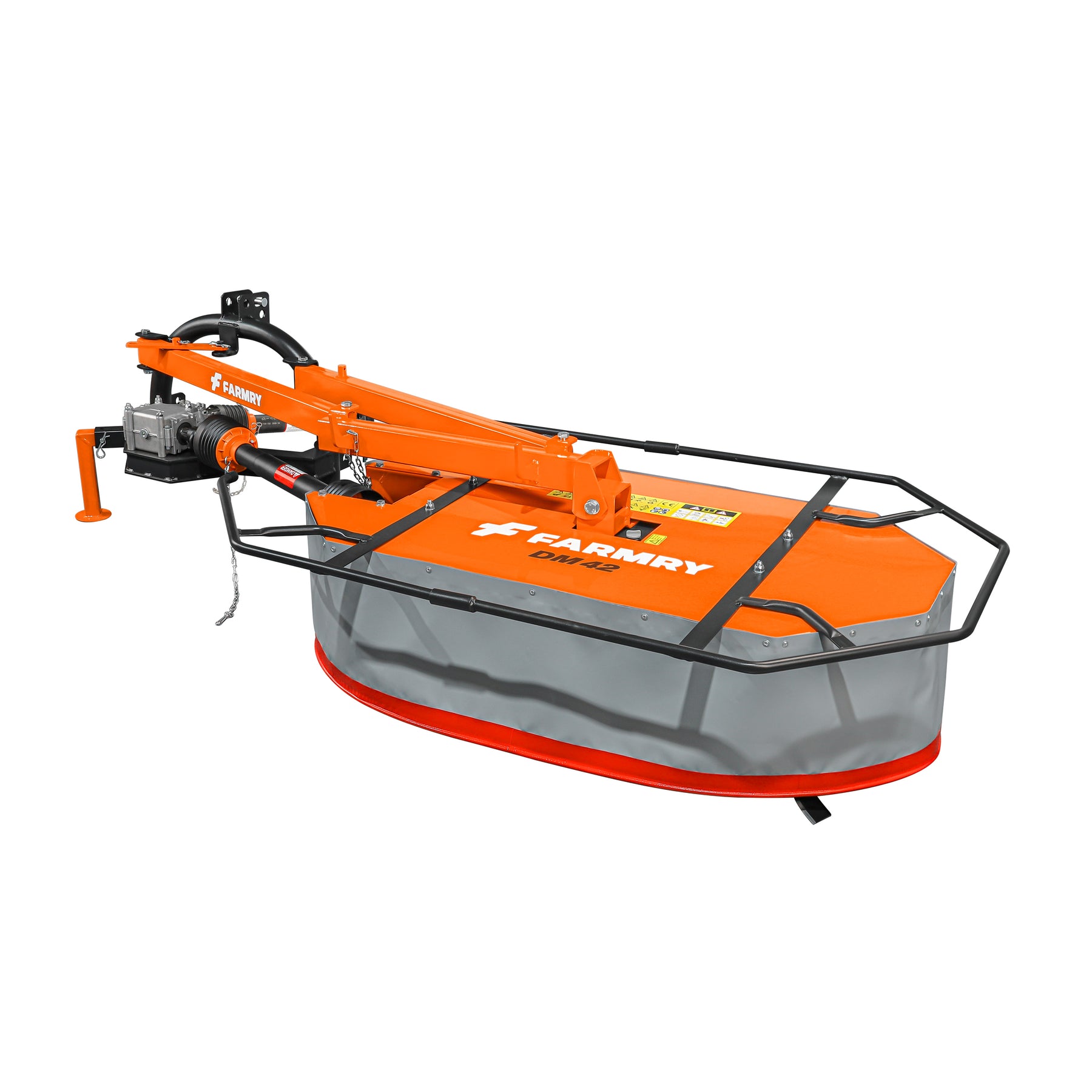
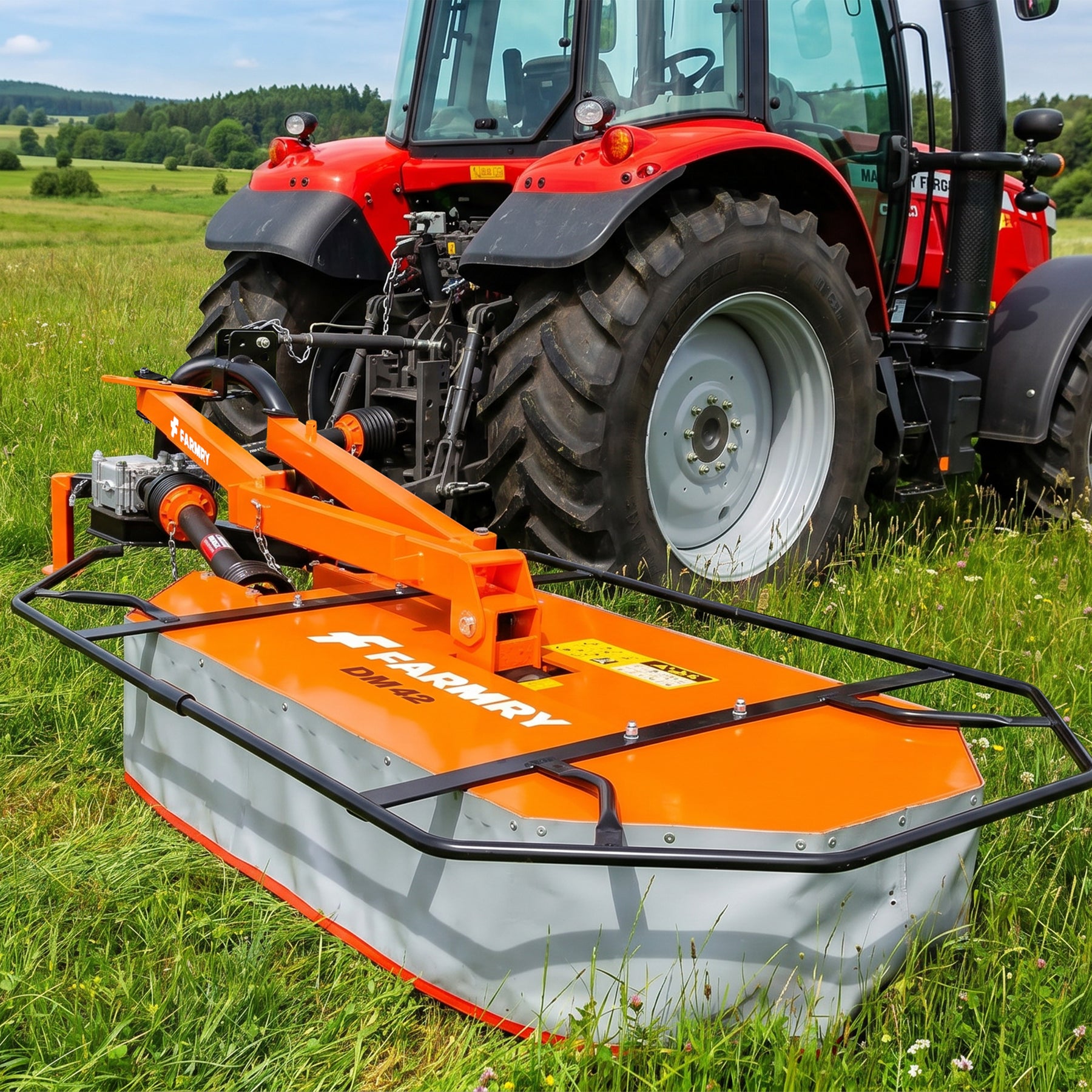
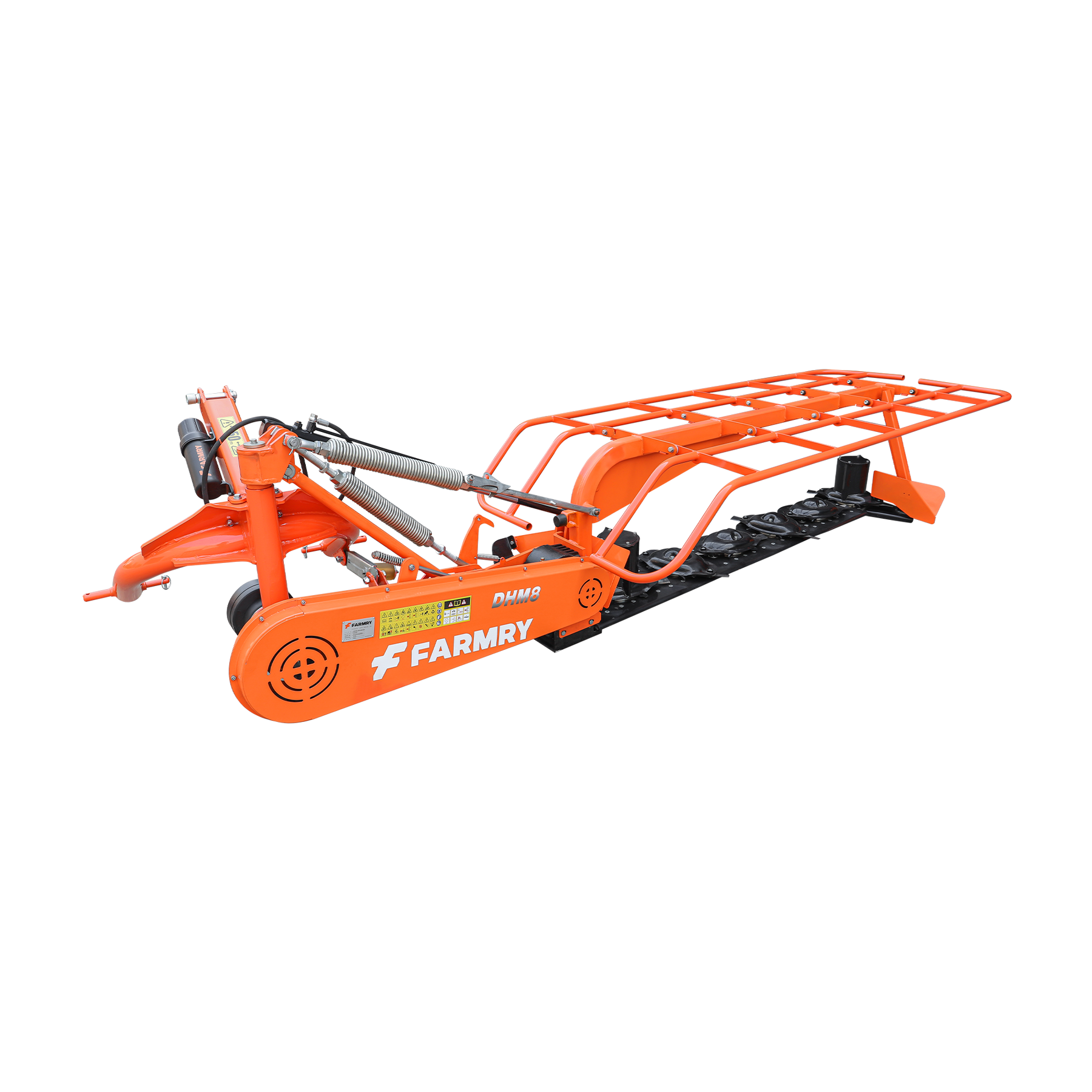
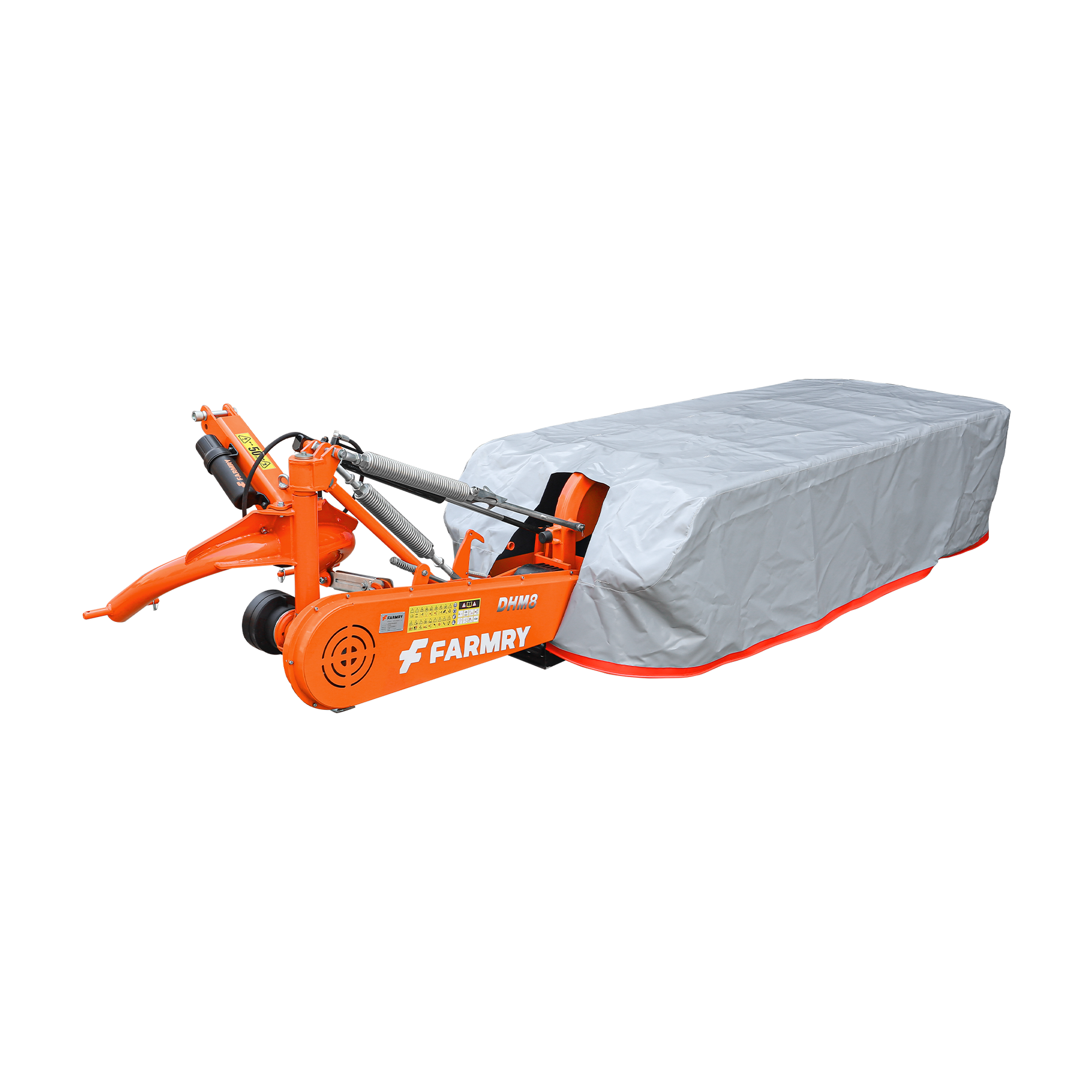
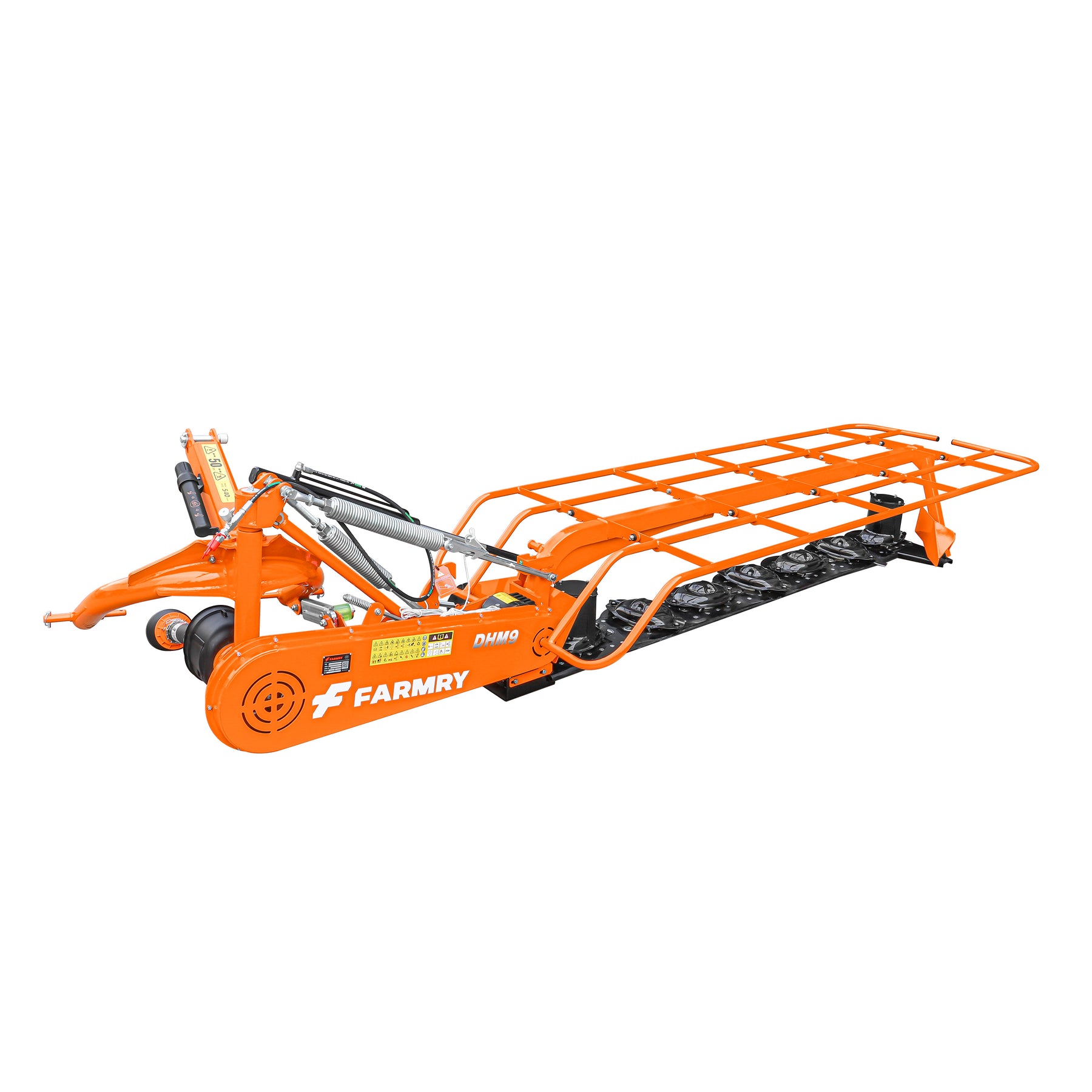
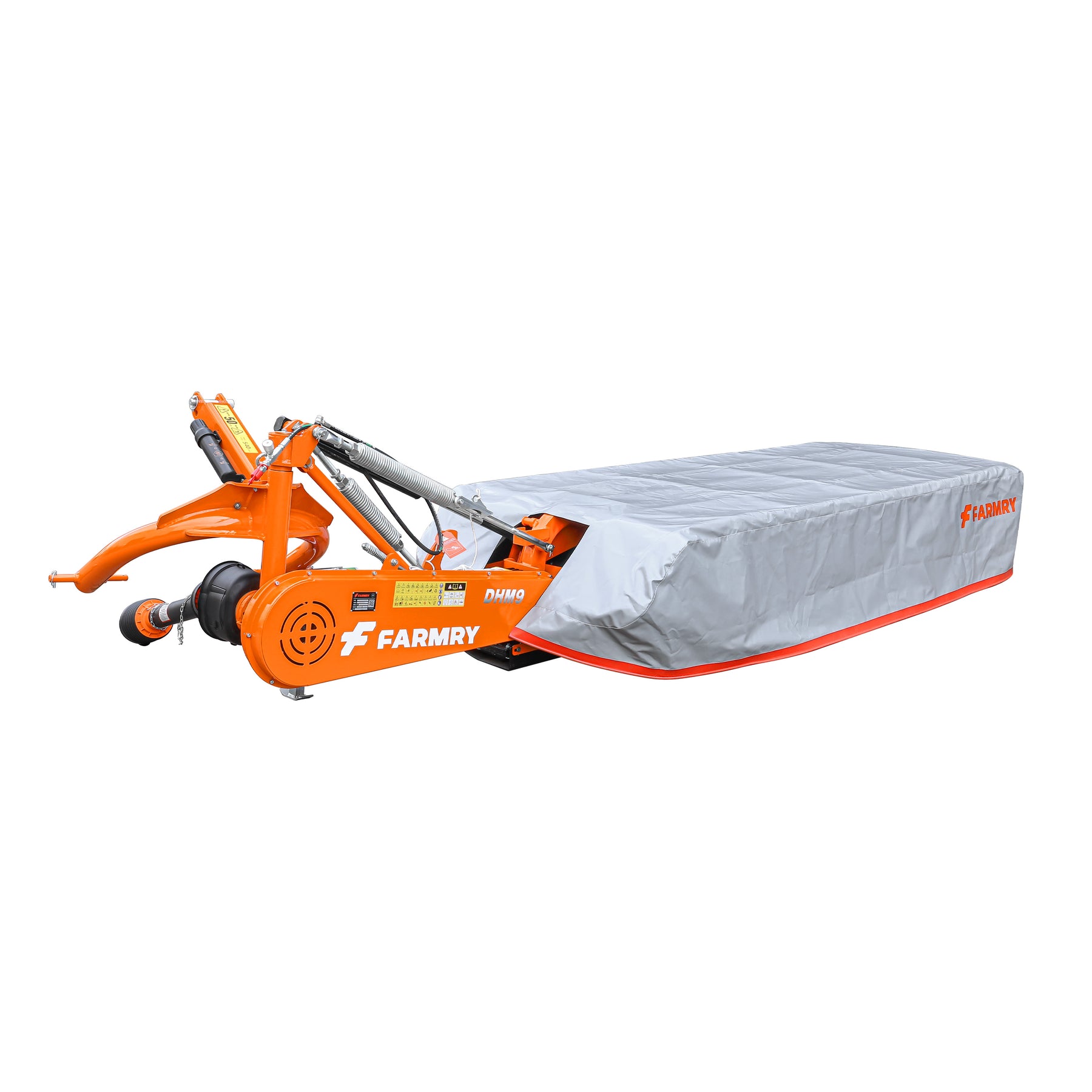





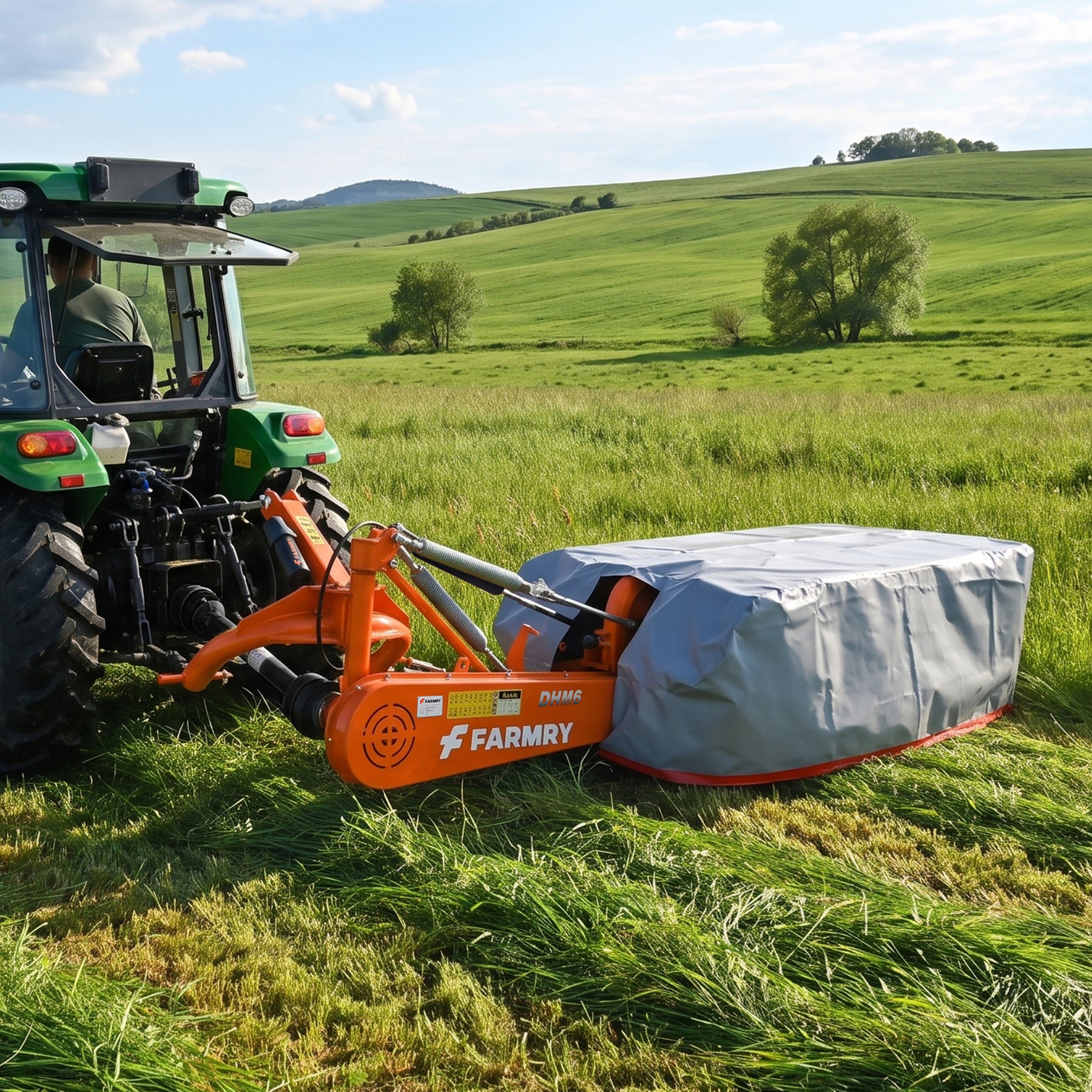
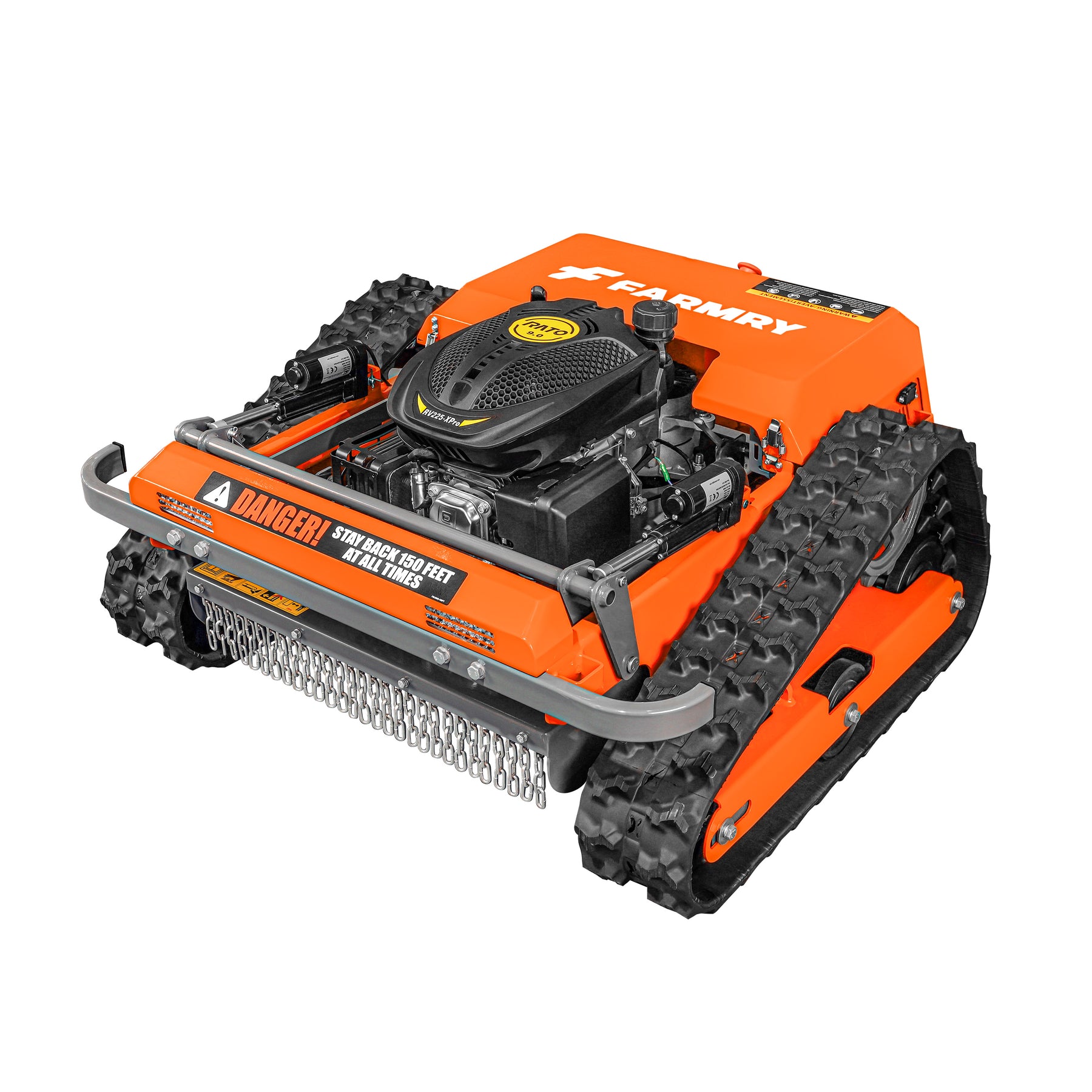
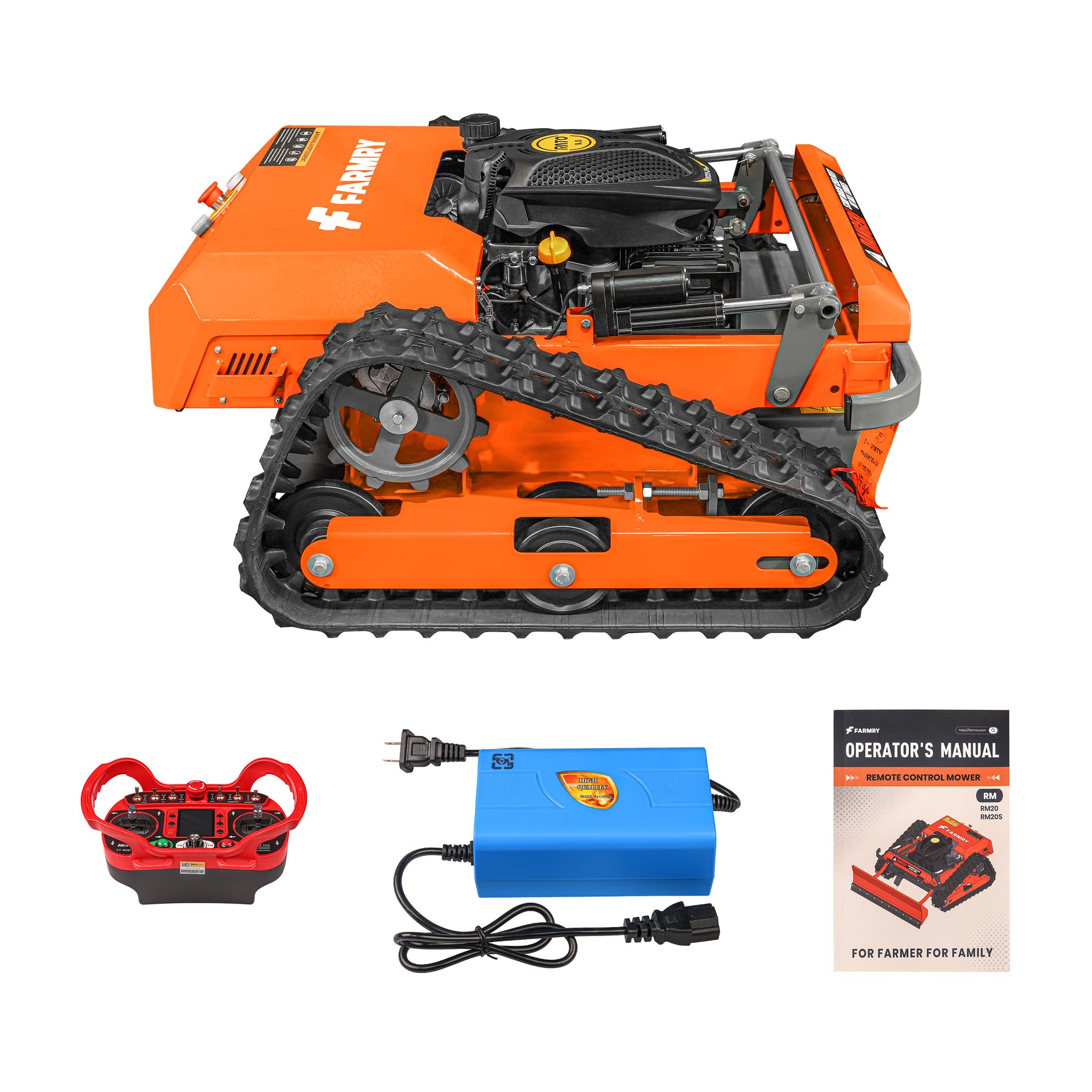
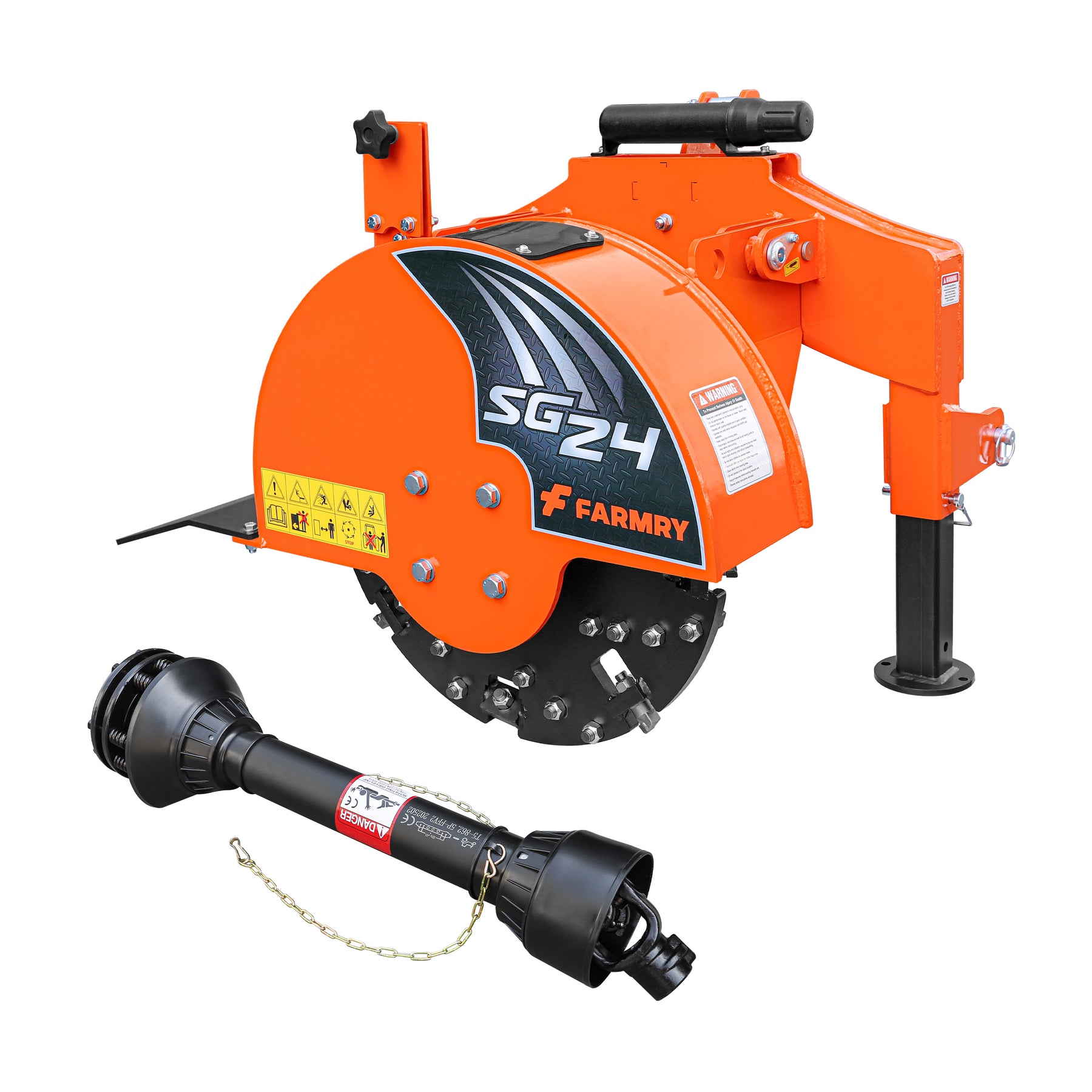





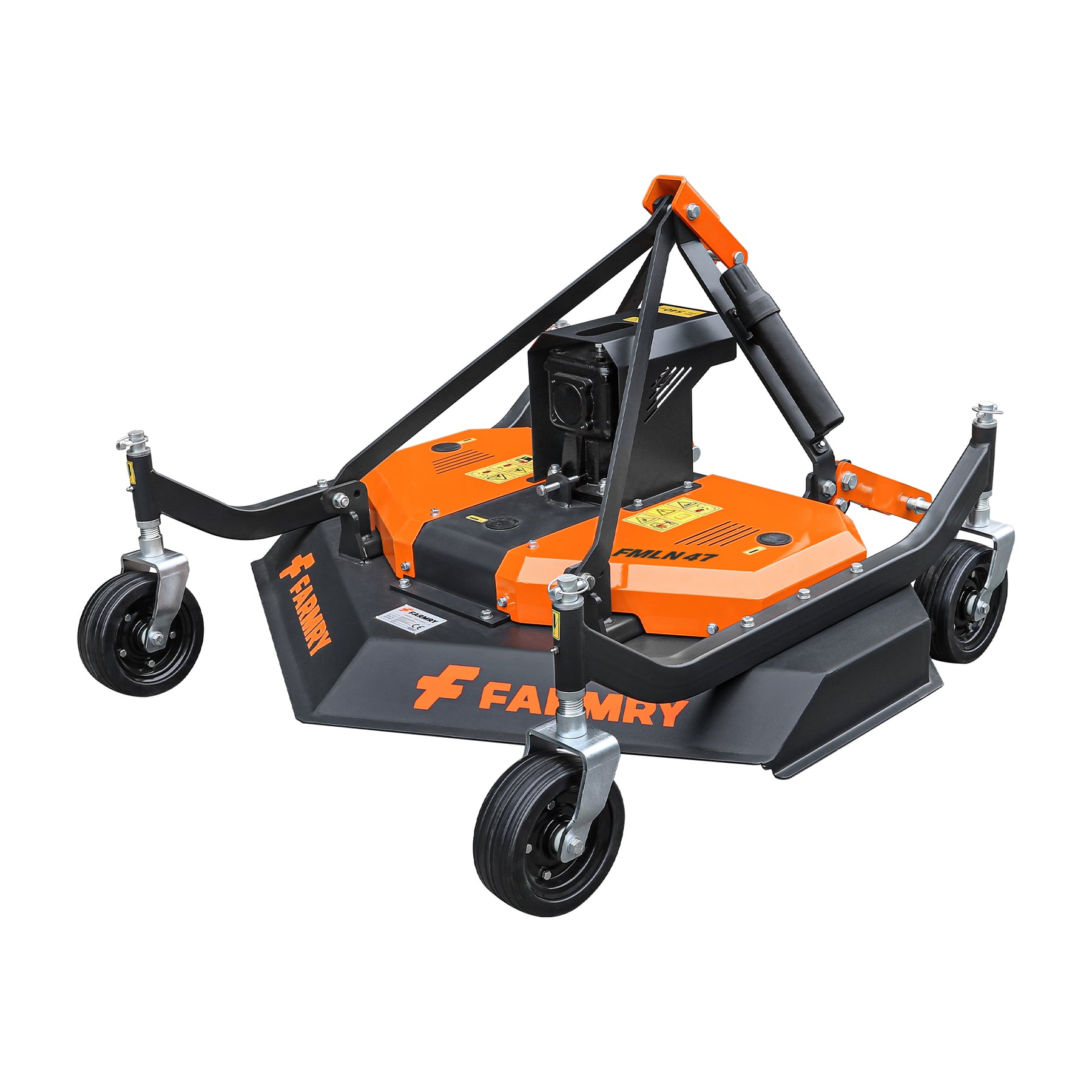
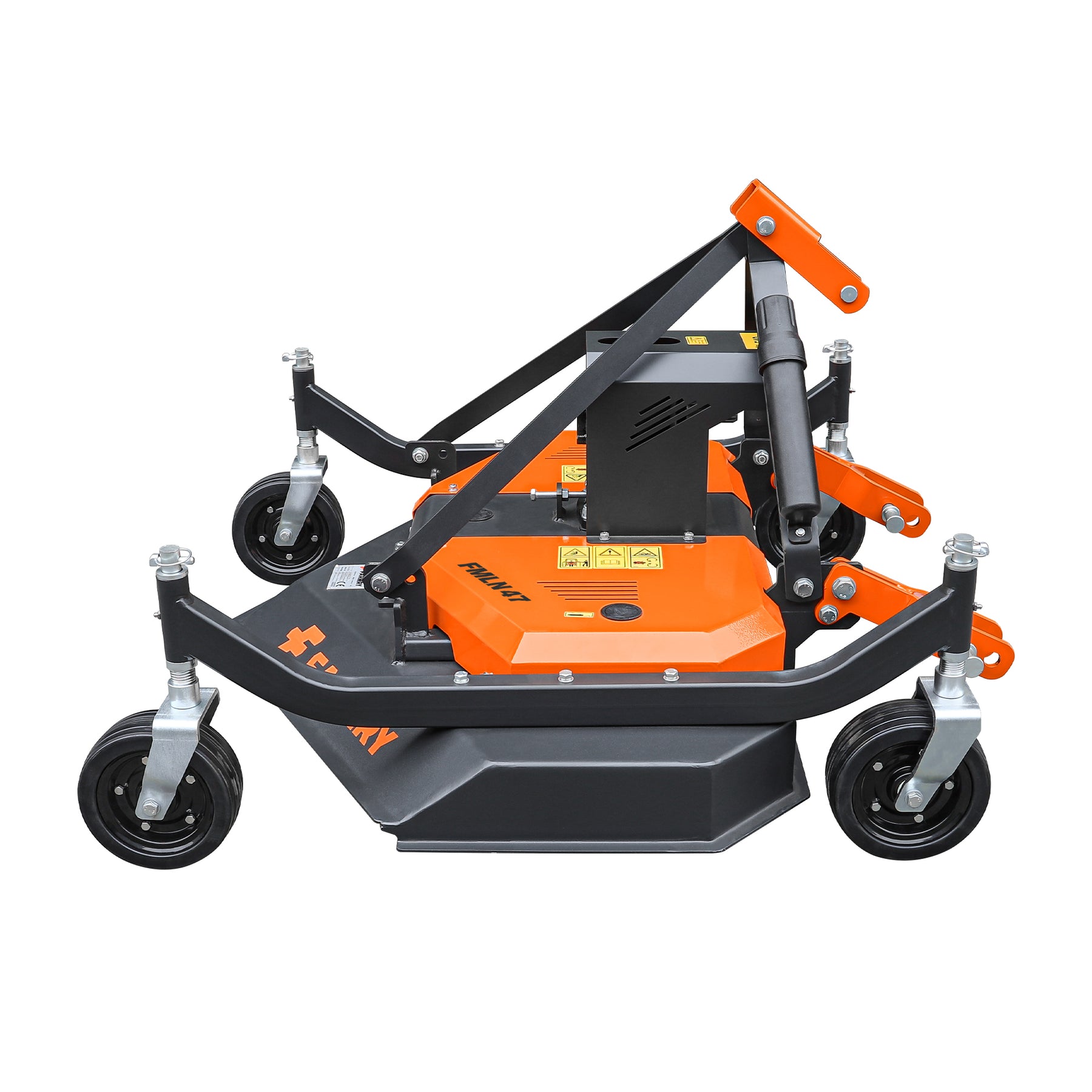
3-Point Finish Mowers for Maintained Lawns
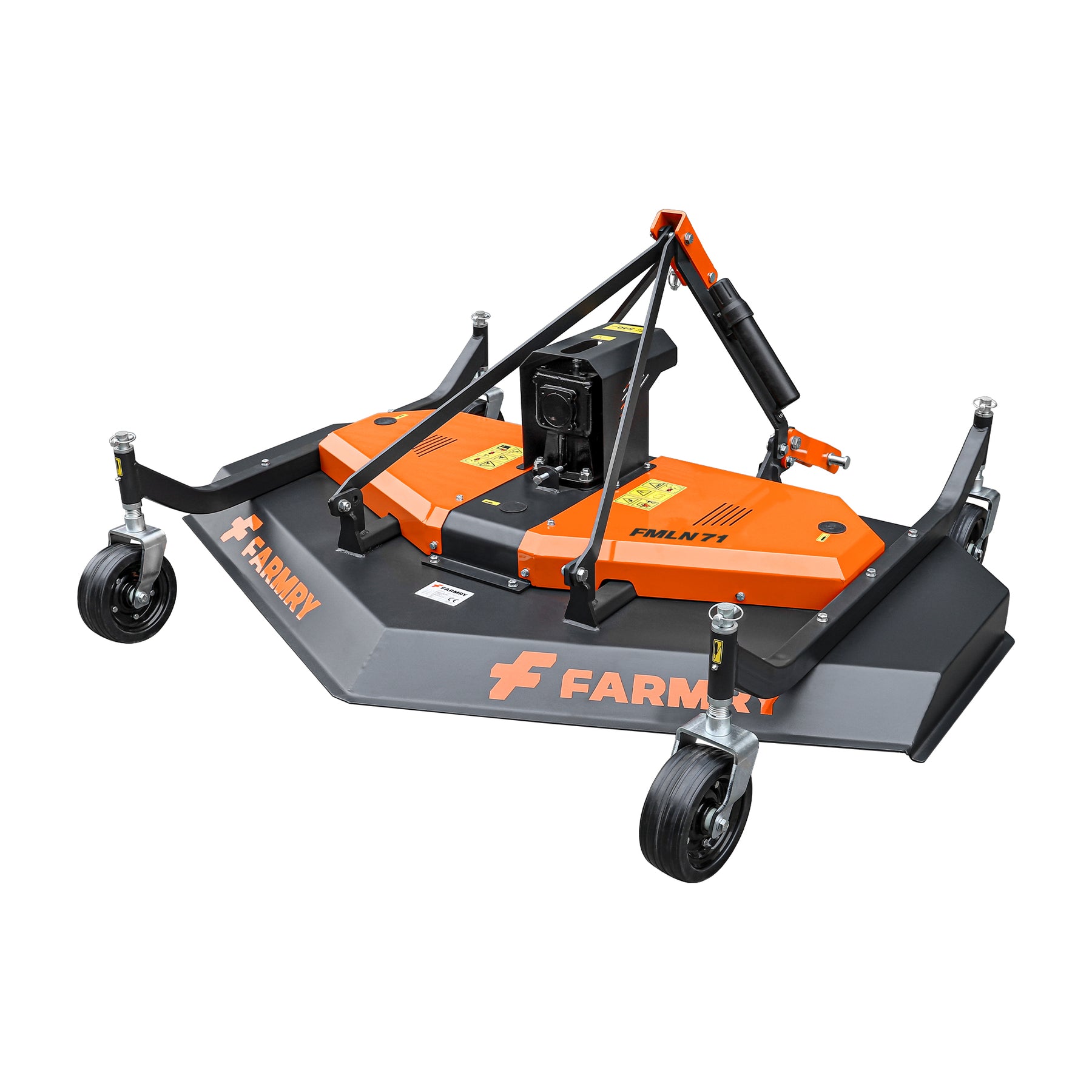
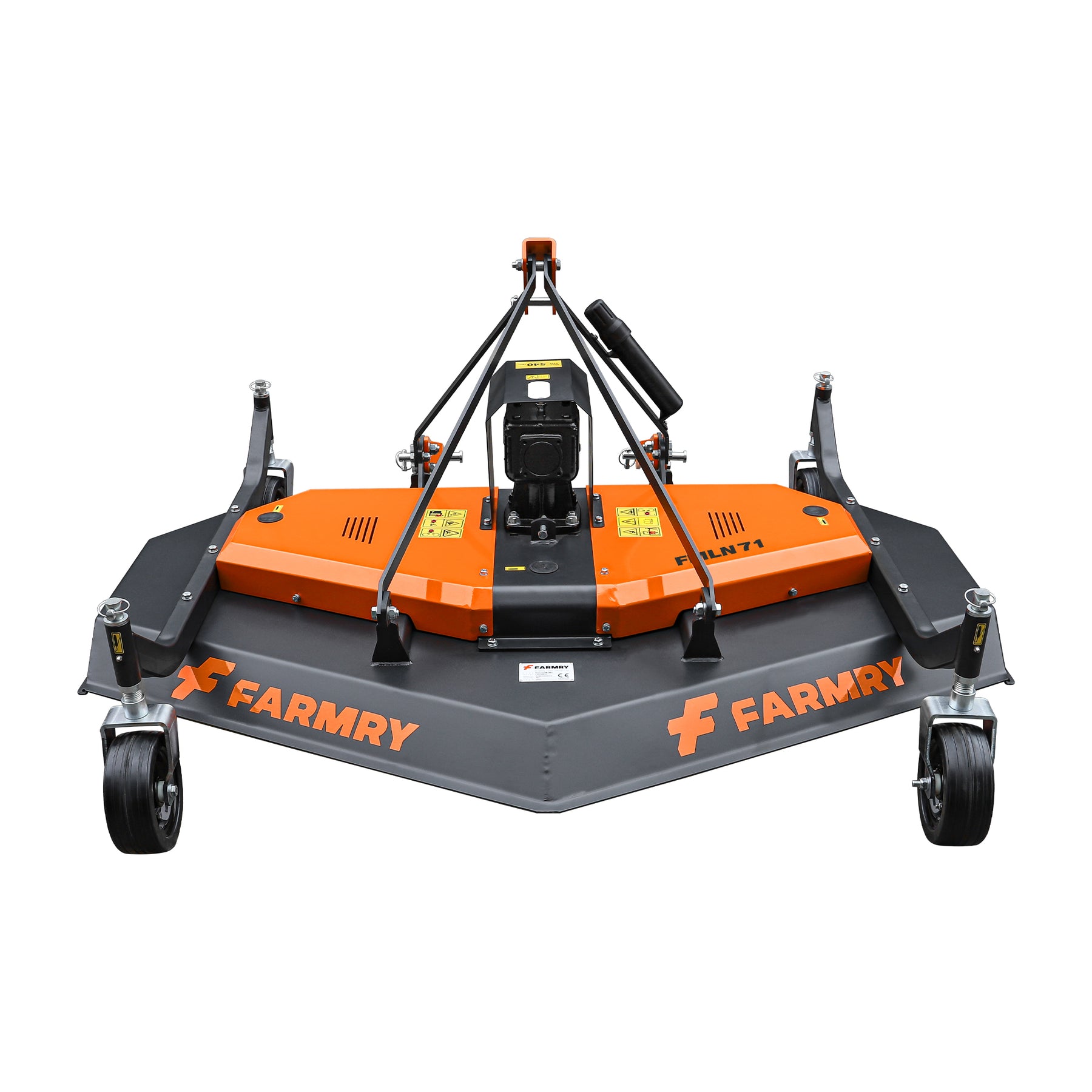
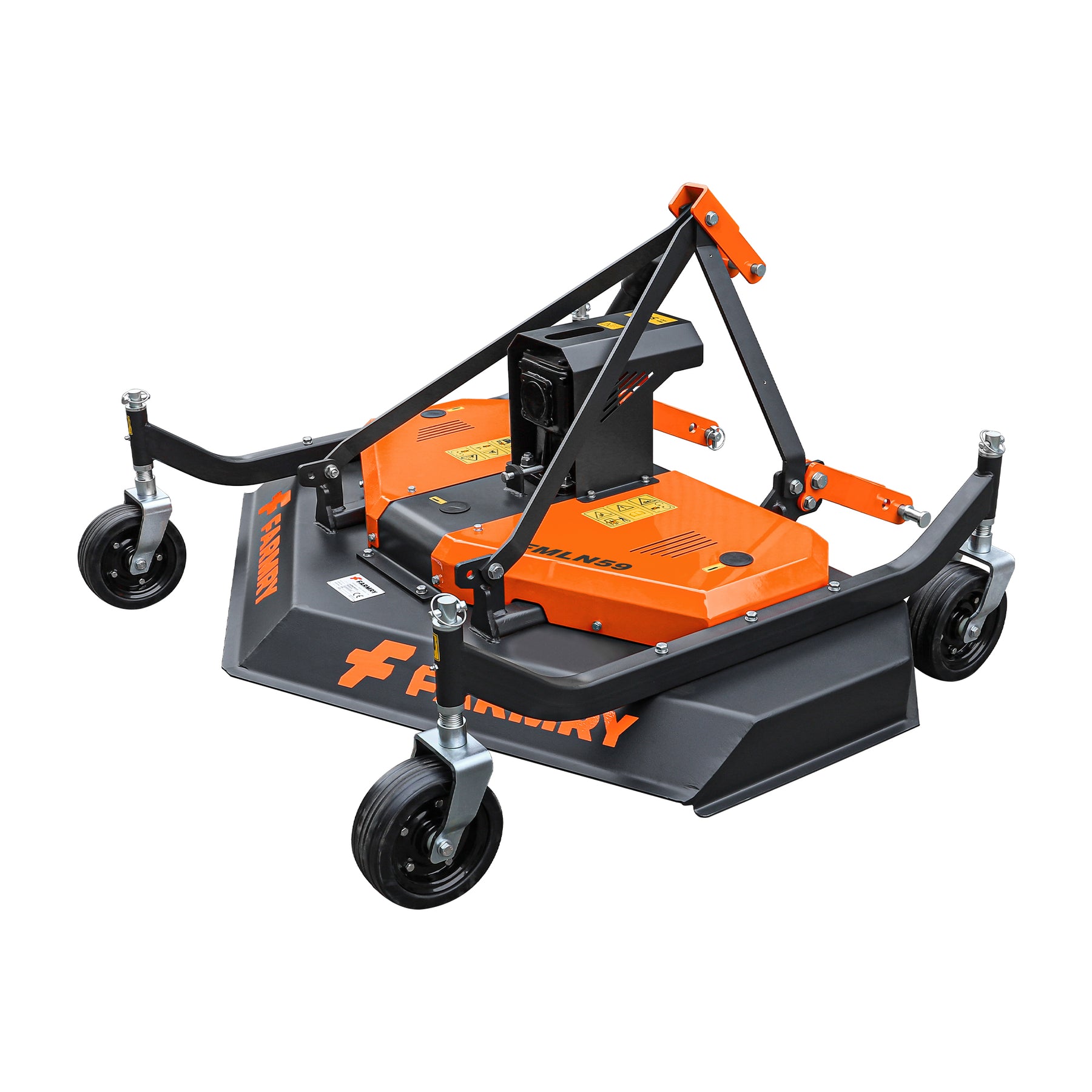
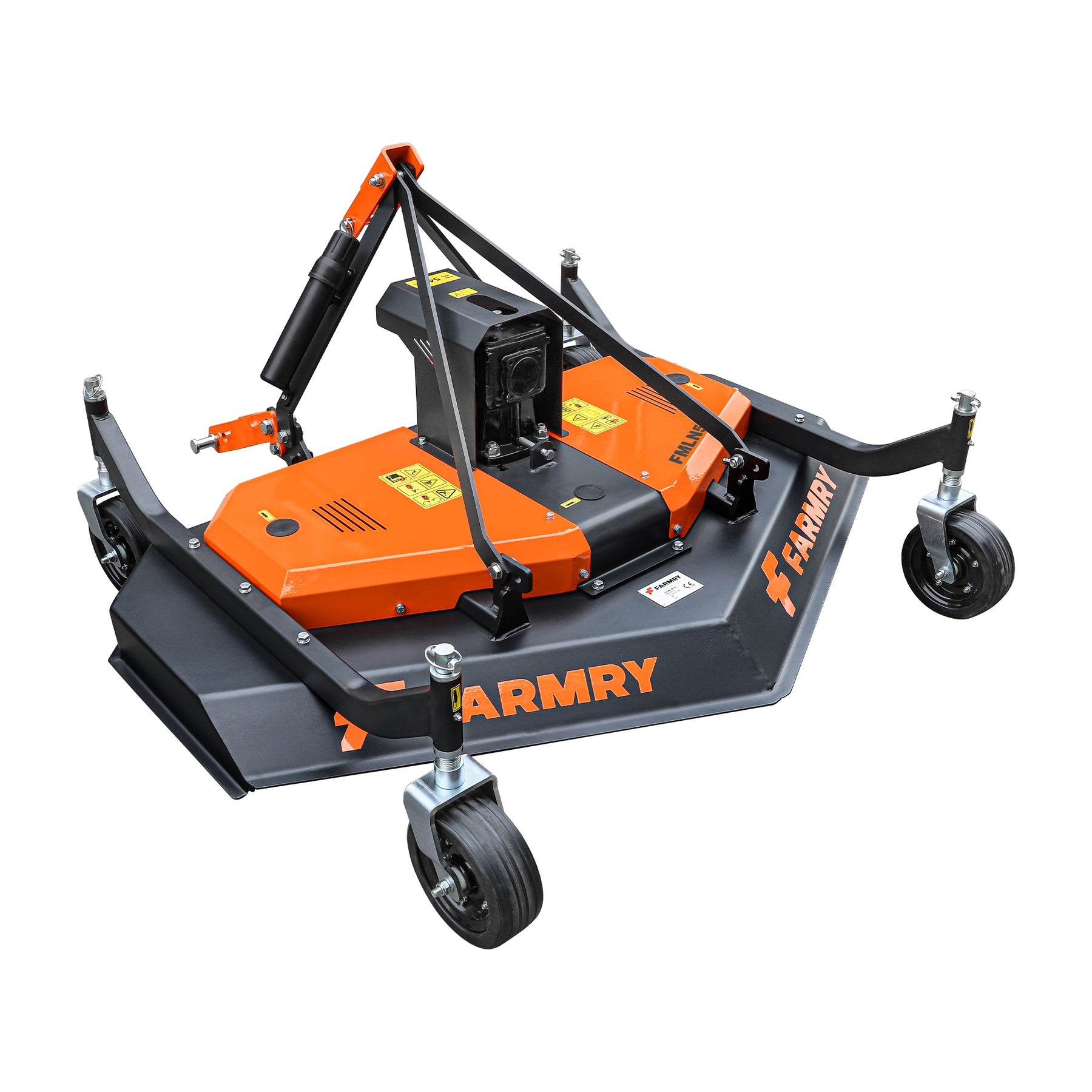
Choose a finish mower for tractor-powered lawn care when your goal is a consistent appearance across regularly maintained grass. Farmry's finish mower selection guide provides a starting point for matching the machine to your property. This collection includes FMLN47, FMLN59, and FMLN71 models, allowing you to compare the available sizes without confusing a lawn mower with a brush-clearing implement.
Match the Deck to Your Mowing Area
Begin with access and layout, not acreage alone. Measure gates and consider trees, fence lines, turns, and storage space. A narrower deck may suit restricted areas, while a wider deck can reduce the number of passes across an open lawn.
Compare working width with overall dimensions before choosing. Model names describe the product, but the confirmed cutting specification determines the intended mowing path. Leave room for maneuvering rather than selecting a machine that only just fits through an opening.
Check Tractor and Driveline Compatibility
For a three-point finish mower, review the tractor's hitch, available power, PTO requirements, and rear lift capacity together. Include the weight and geometry of any quick hitch in that assessment. A compatible hitch category does not establish that the supplied driveline fits every tractor.
The product table separates model specifications so you can compare the current machines. Confirm any unclear power-rating basis or dimensional discrepancy before purchase instead of assuming that similar product names mean identical requirements.
Choose Lawn Maintenance Rather Than Rough Clearing
A PTO finish mower belongs in a routine grass-maintenance plan. If the main job involves woody vegetation or neglected ground, explore tractor flail mowers and check the selected model's limits instead.
For lawn work, consider the complete ownership setup: access to the mowing area, tractor fit, storage, and the equipment already used on the property. Select the mower that matches those conditions, then use its applicable instructions for assembly and operation.
FAQs
Can I use a finish mower when the grass is wet?
Can I use a finish mower when the grass is wet?
It is generally better to wait for suitable mowing conditions. Wet grass can clump, while soft or slippery ground can affect traction and leave tire marks. Do not judge readiness from grass height alone. Follow the mower and tractor instructions, and avoid mowing where the ground cannot support the equipment appropriately.
Why does a finish mower leave stripes or uneven patches?
Why does a finish mower leave stripes or uneven patches?
Uneven cutting can involve deck setup, wheel adjustment, blade condition, or tractor tire pressure. Do not assume the mower needs replacing before checking those factors. Follow Farmry's finish mower deck-leveling guide, with adjustments made under the applicable shutdown and support procedures.
Does a rear-discharge finish mower collect the grass clippings?
Does a rear-discharge finish mower collect the grass clippings?
No. Rear discharge does not mean grass collection. Do not assume a catcher or bagging system is included or compatible unless the selected configuration explicitly provides one. If clipping collection is essential, confirm the available equipment options with Farmry before ordering.
Are replacement blades interchangeable between finish mower sizes?
Are replacement blades interchangeable between finish mower sizes?
Do not assume they are. Match replacements to the exact mower model and approved part information, including blade dimensions and mounting requirements. A blade that appears similar is not sufficient evidence of fit. Check the applicable parts information before substituting blades or mounting hardware.
How should I prepare a finish mower for seasonal storage?
How should I prepare a finish mower for seasonal storage?
Follow the model's cleaning, inspection, lubrication, and storage instructions. Remove accumulated material after safe shutdown, allow cleaned surfaces to dry, and address damaged components before the next season. Use the applicable Farmry operator manual for the required procedure; do not rely on a universal service interval.
Relevant Blogs