Skip to content



3 point offset flail ditch bank mowers



you may also like




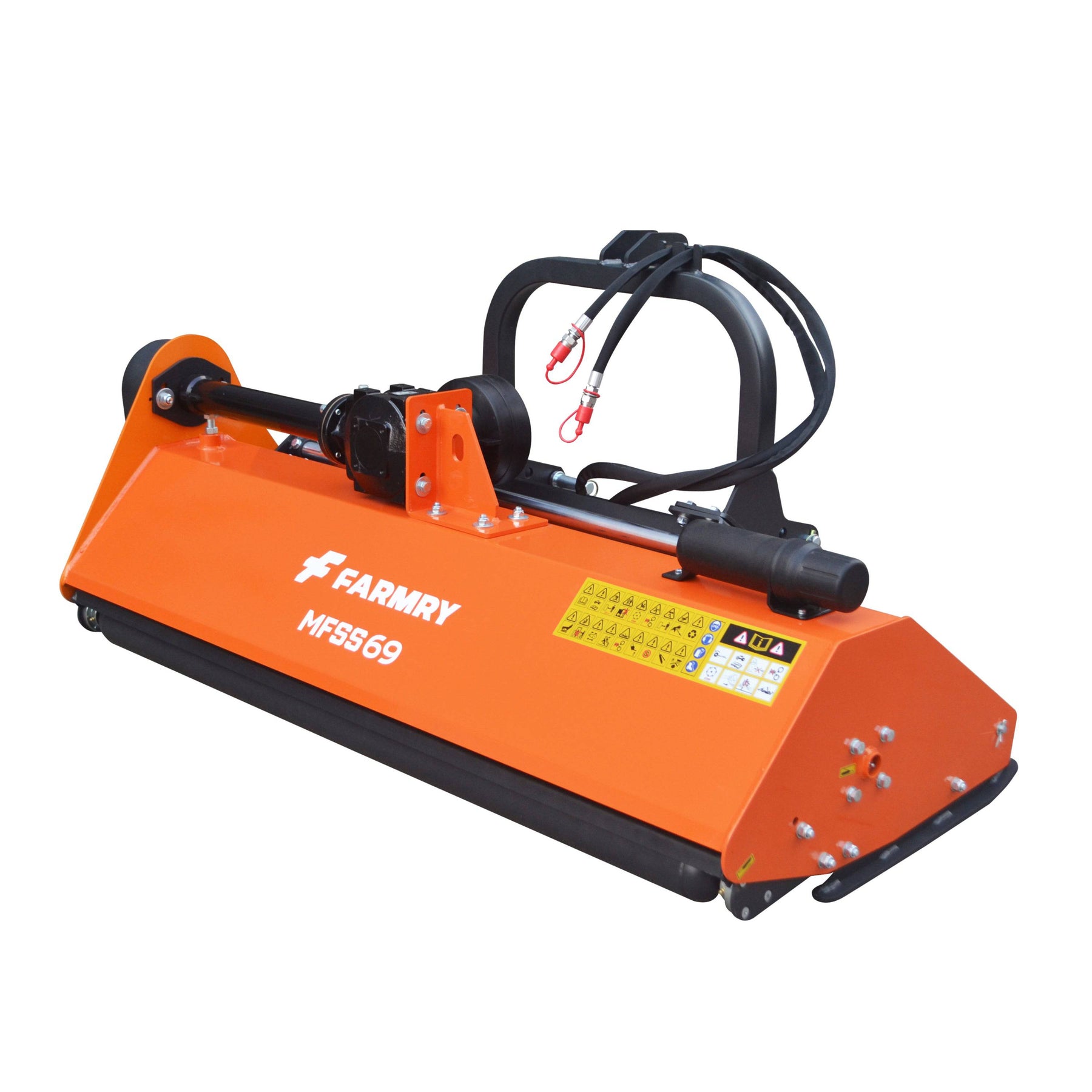
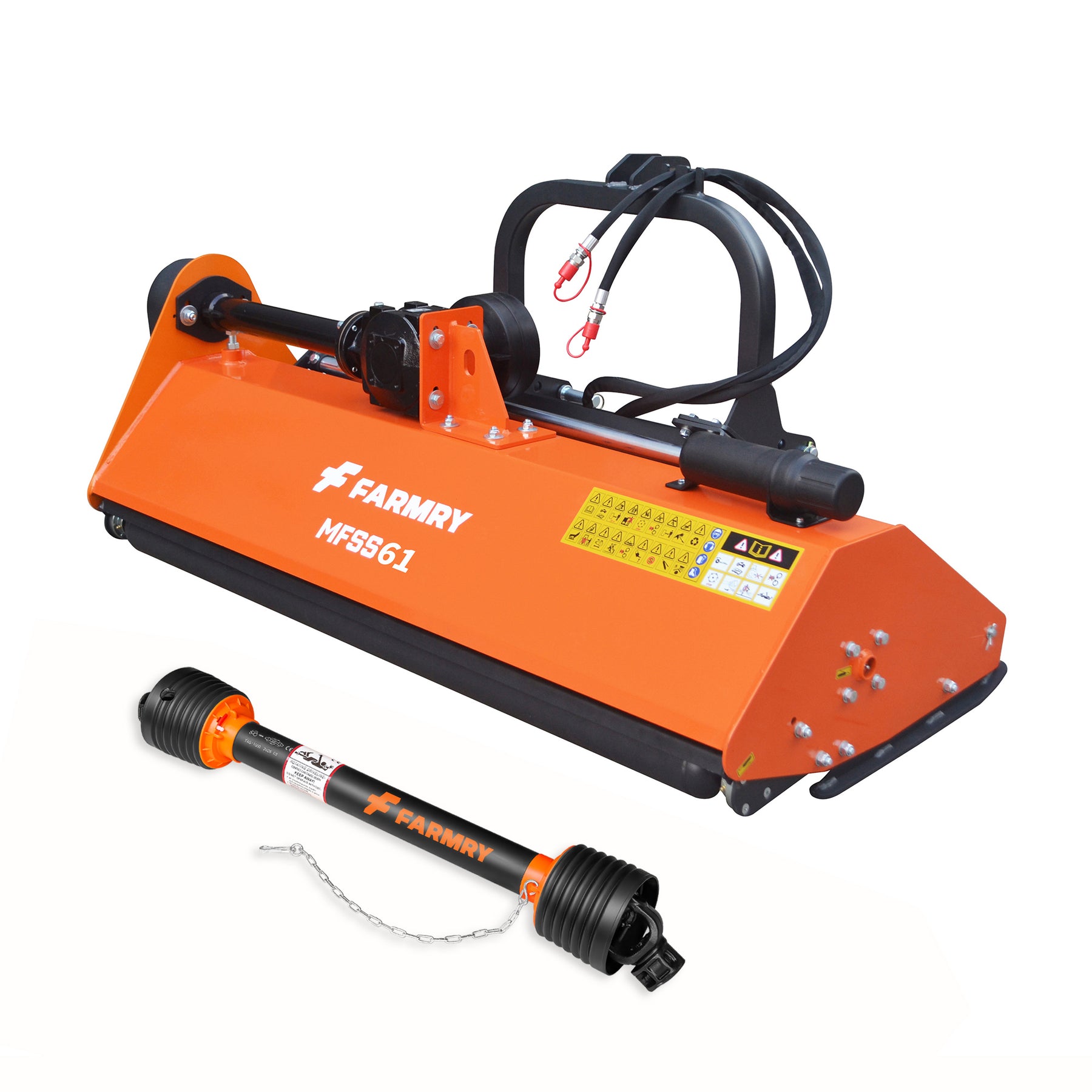
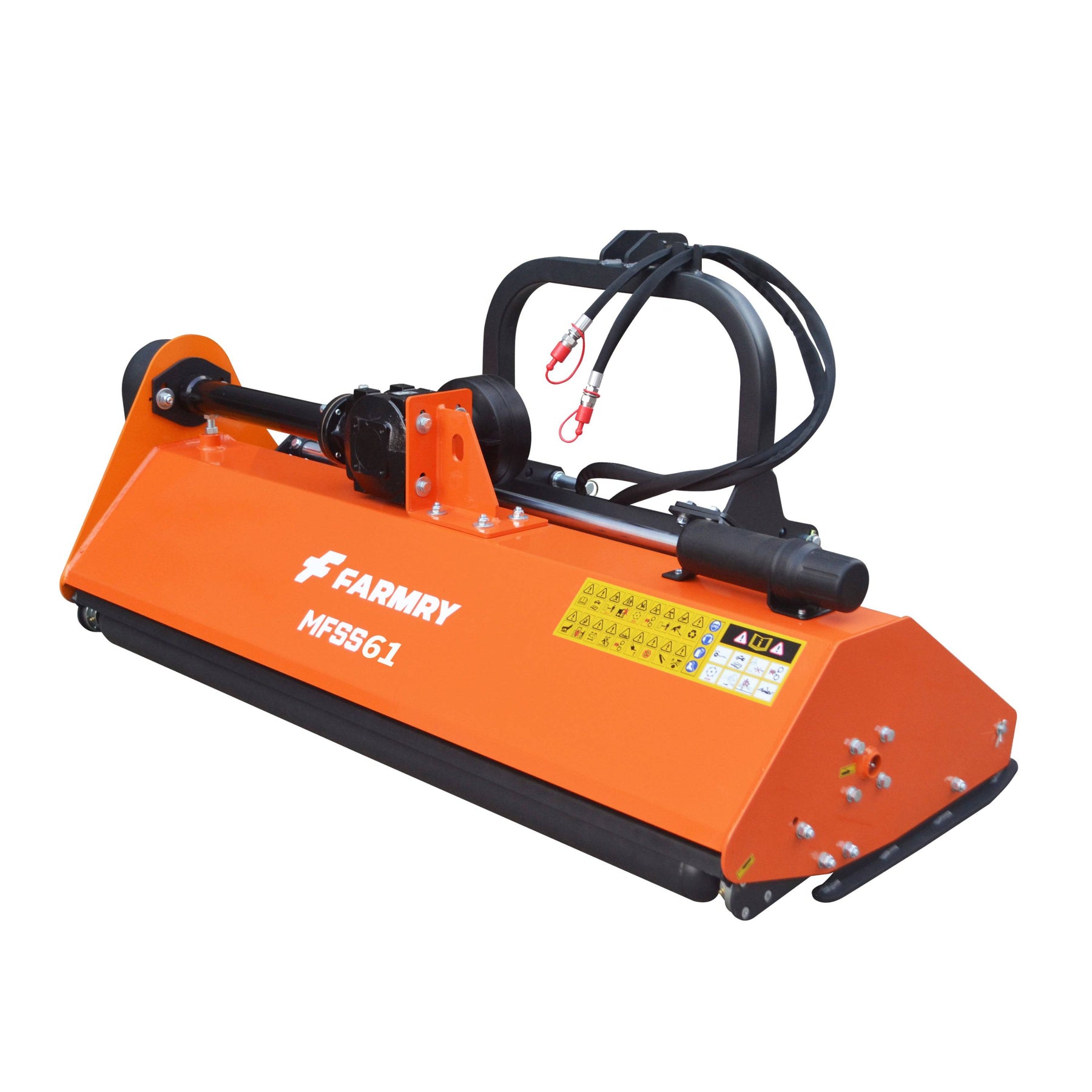
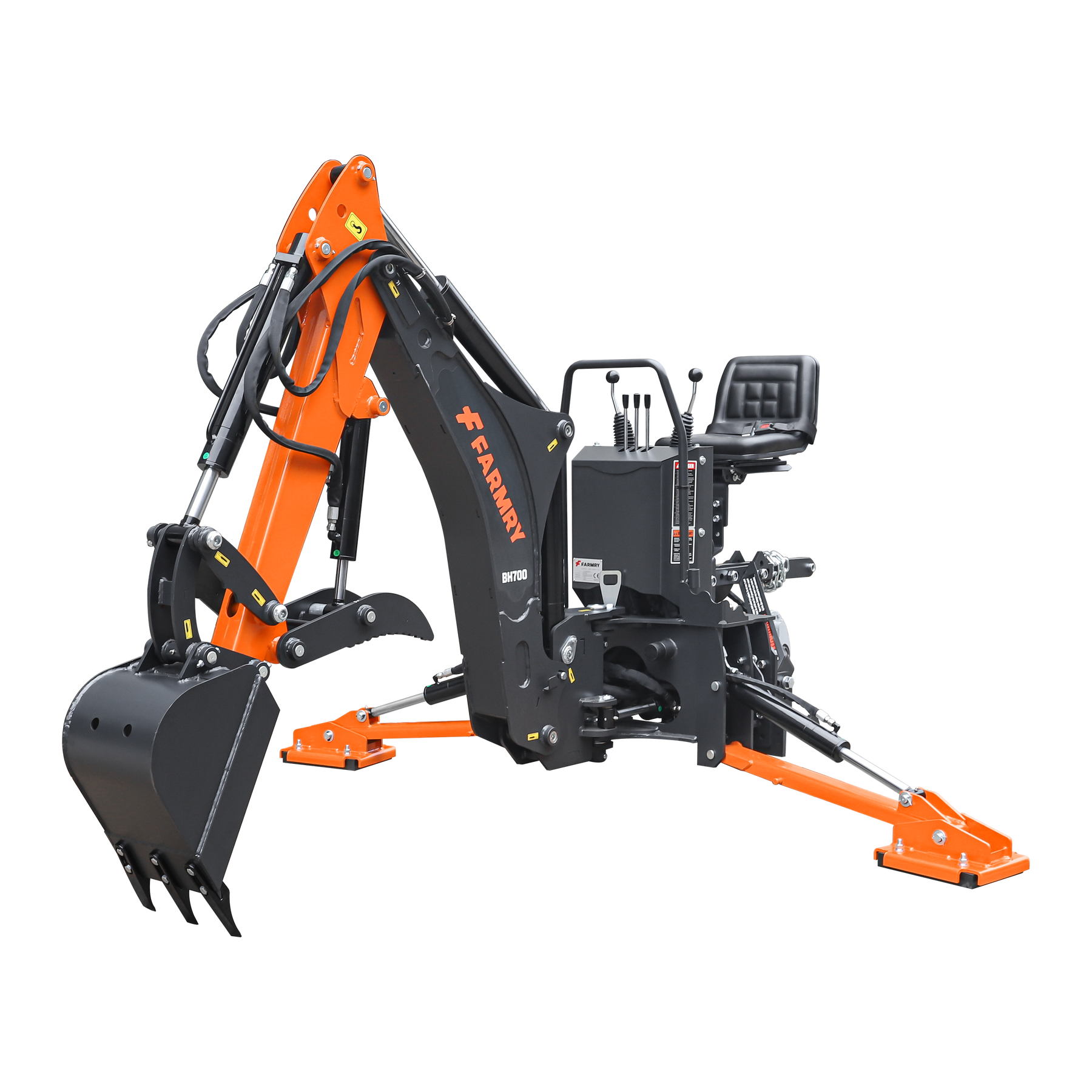








Choose the Right 3-Point Offset Flail Mower for Your Tractor
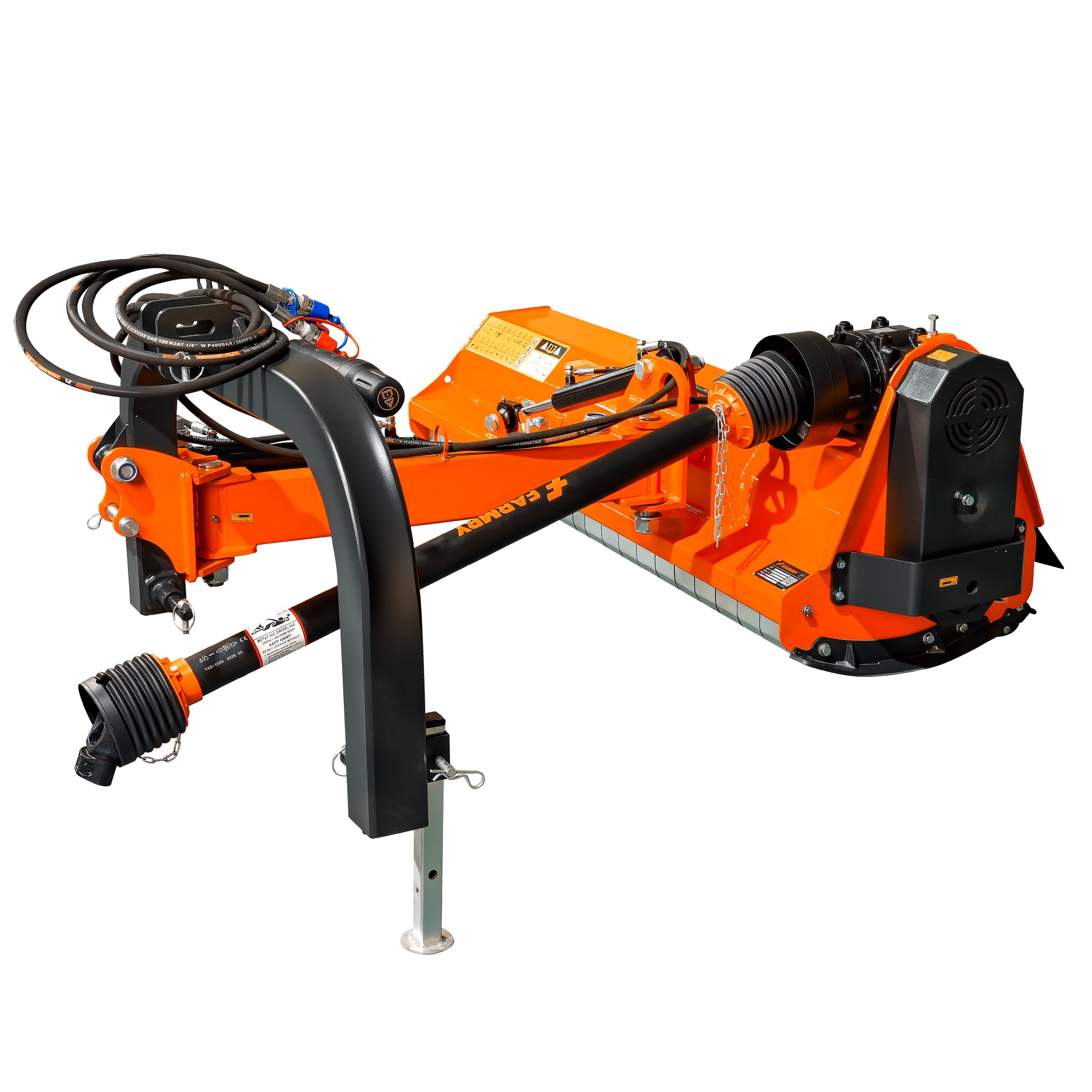
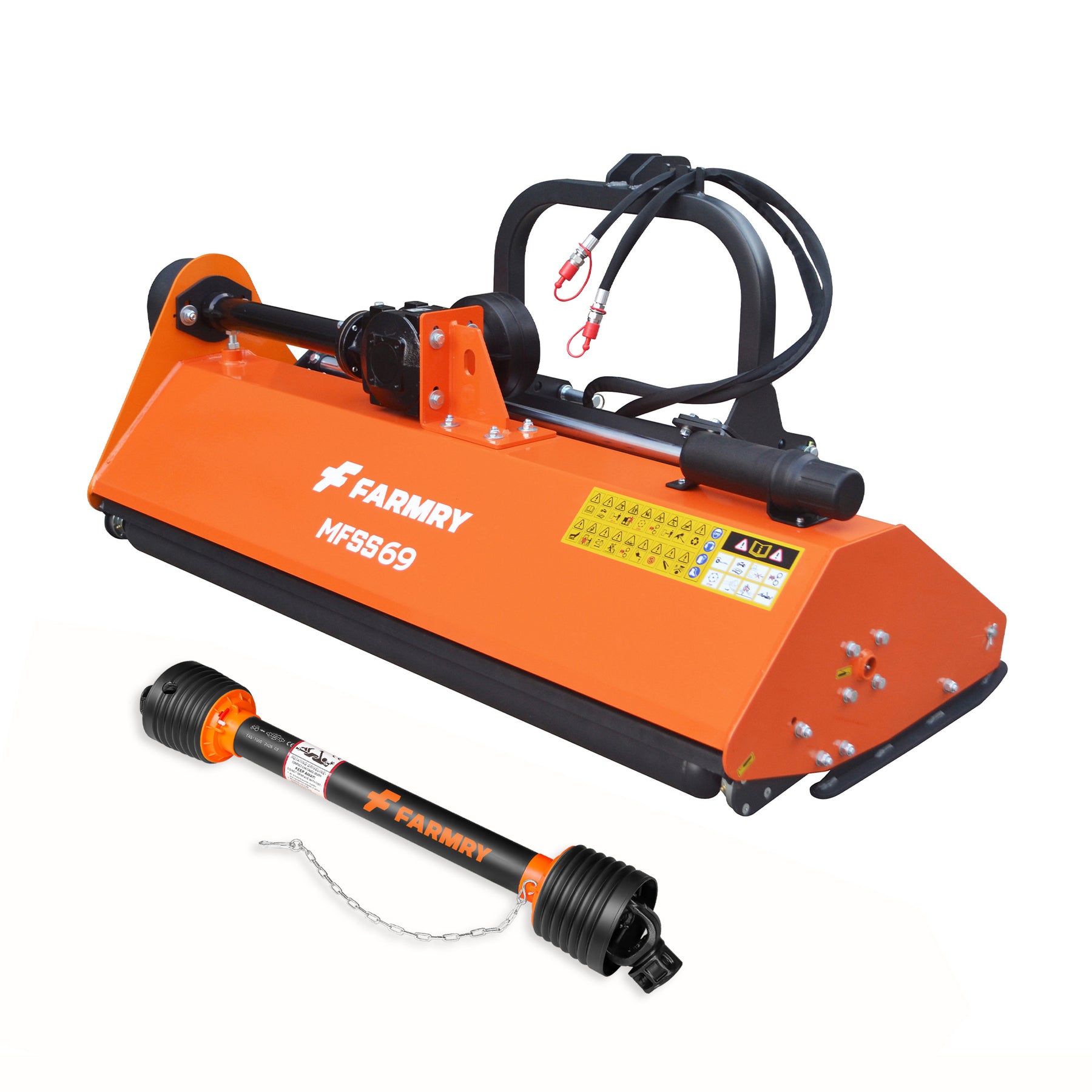
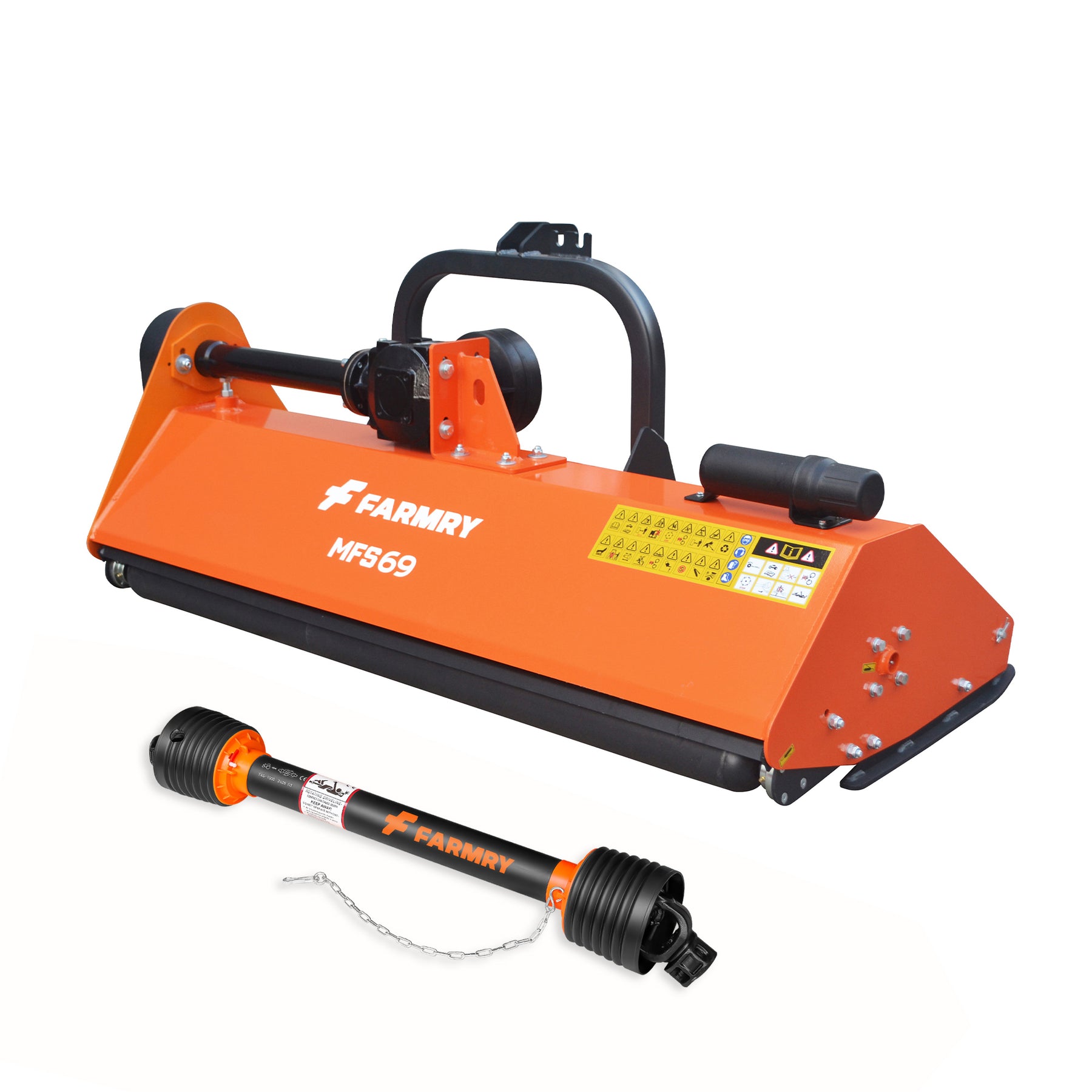
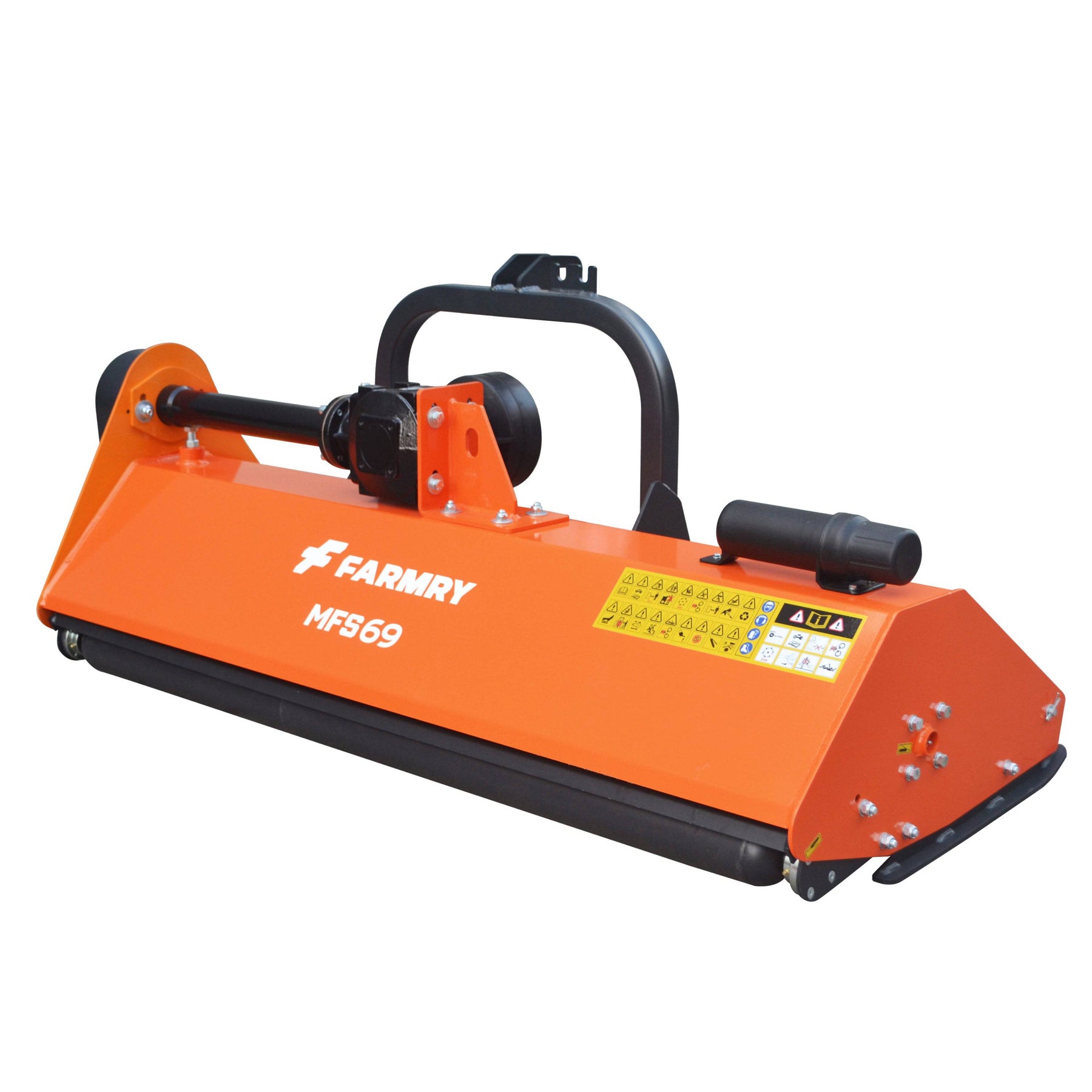
Farmry 3-point offset flail mowers are built for property owners, farmers, and land managers who need to mow beyond the tractor’s normal rear cutting path. They are especially useful when routine mowing includes ditch banks, field edges, fence lines, roadside verges, pond edges, and sloped boundaries where a centered rear mower may not provide enough lateral reach.
The current Farmry lineup covers 50–87 in. working widths and recommended tractor power from 25–100 HP, giving buyers options for both compact-tractor applications and larger utility tractors. Rather than choosing only by cutting width, first decide where the mower needs to work and how much reach you need beyond the tractor, then use the comparison table below to narrow the models that match your tractor class.
If you are still deciding whether this mower style fits your property, Farmry’s Offset Flail Mower Guide explains how offset mowing differs from conventional rear mowing, while the full Flail Mower Collection includes standard, side-shift, and offset options for different land-maintenance jobs.
When an Offset Flail Mower Makes More Sense Than a Standard Flail Mower
A standard rear-mounted flail mower is well suited to mowing directly behind the tractor across fields, pastures, and open ground. An offset flail mower becomes more useful when the cutting area extends beside the tractor, such as along drainage ditches, embankments, fence lines, or the outer edges of a property.
This distinction matters when planning repeated maintenance. If most of your work is open-field mowing, the broader Farmry flail mower range may give you more options. If a significant part of the job involves banks, slopes, edges, and areas that are difficult to cover directly behind the tractor, the offset models on this page are the more task-specific choice.
For a deeper look at these applications, see Farmry’s Ditch Bank Mower Guide, which focuses specifically on ditch and bank maintenance.
VLF Series for 25–45 HP Category 1 Tractors
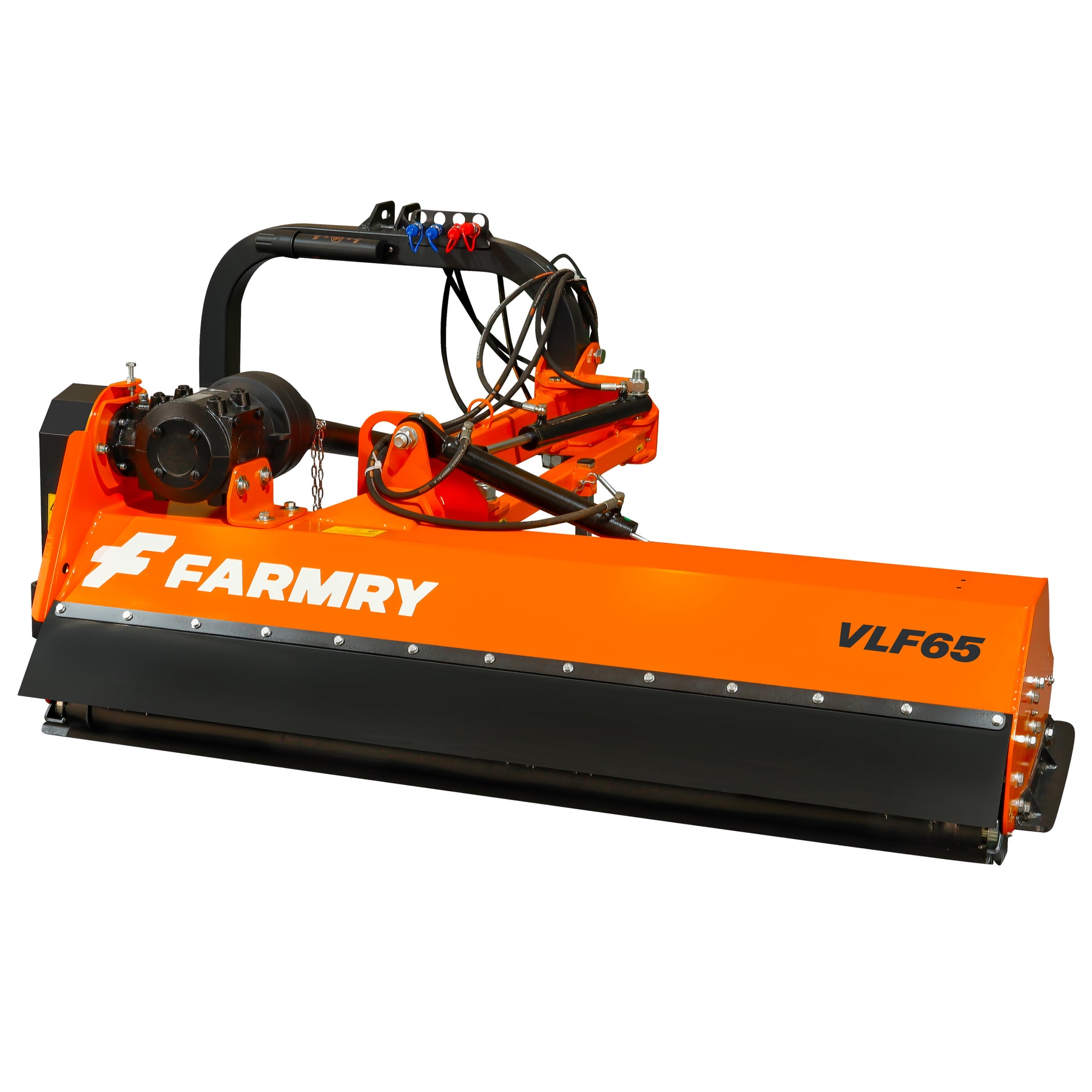
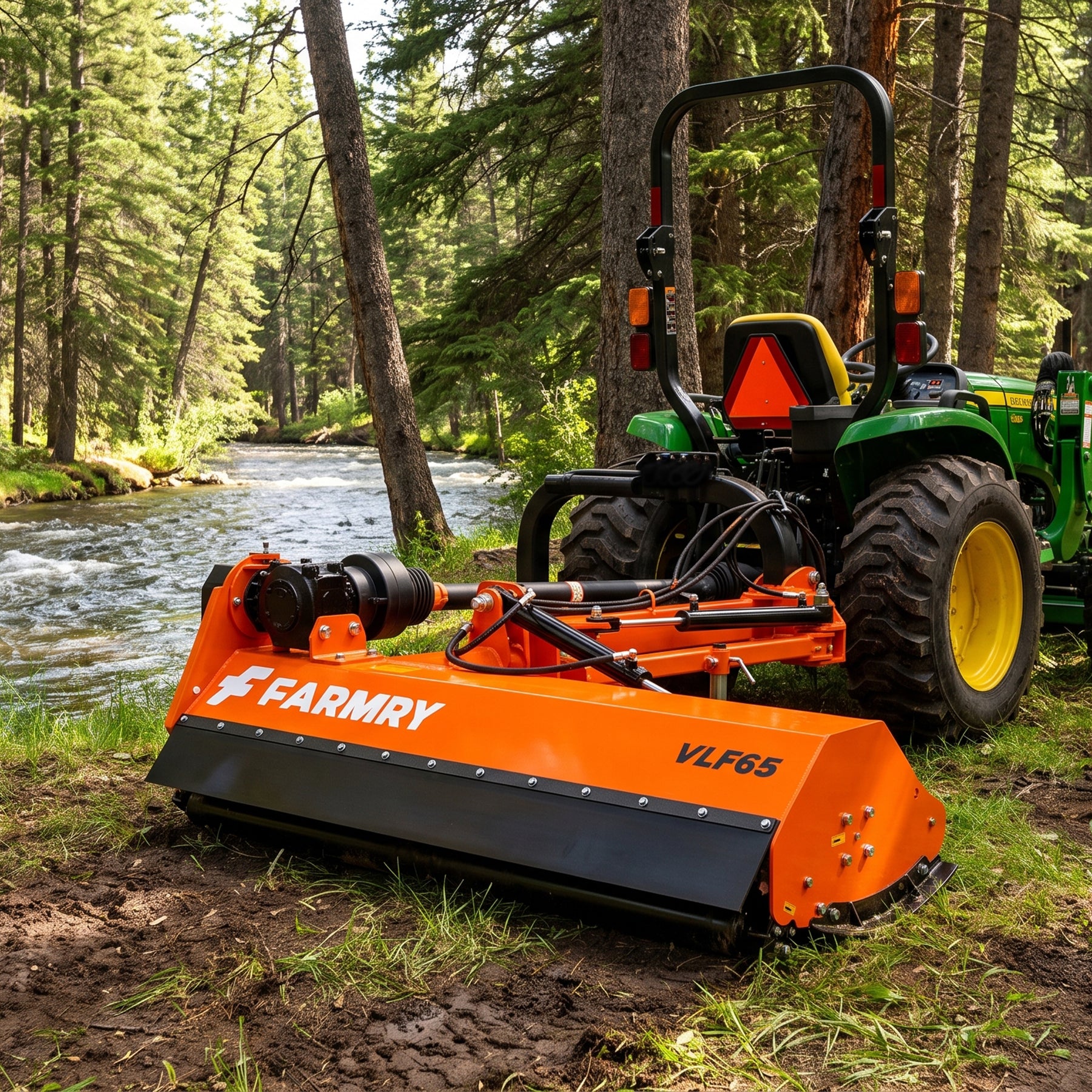
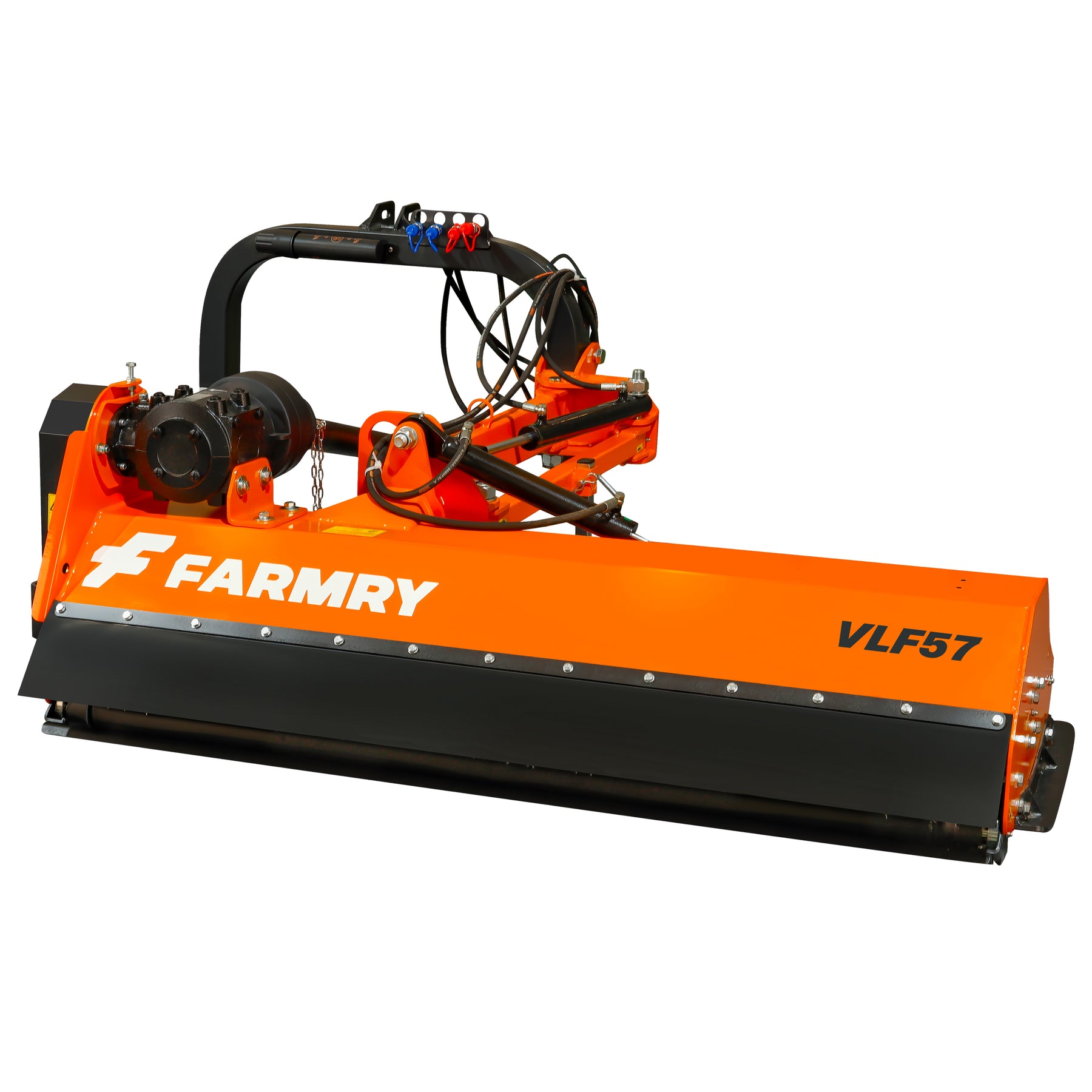
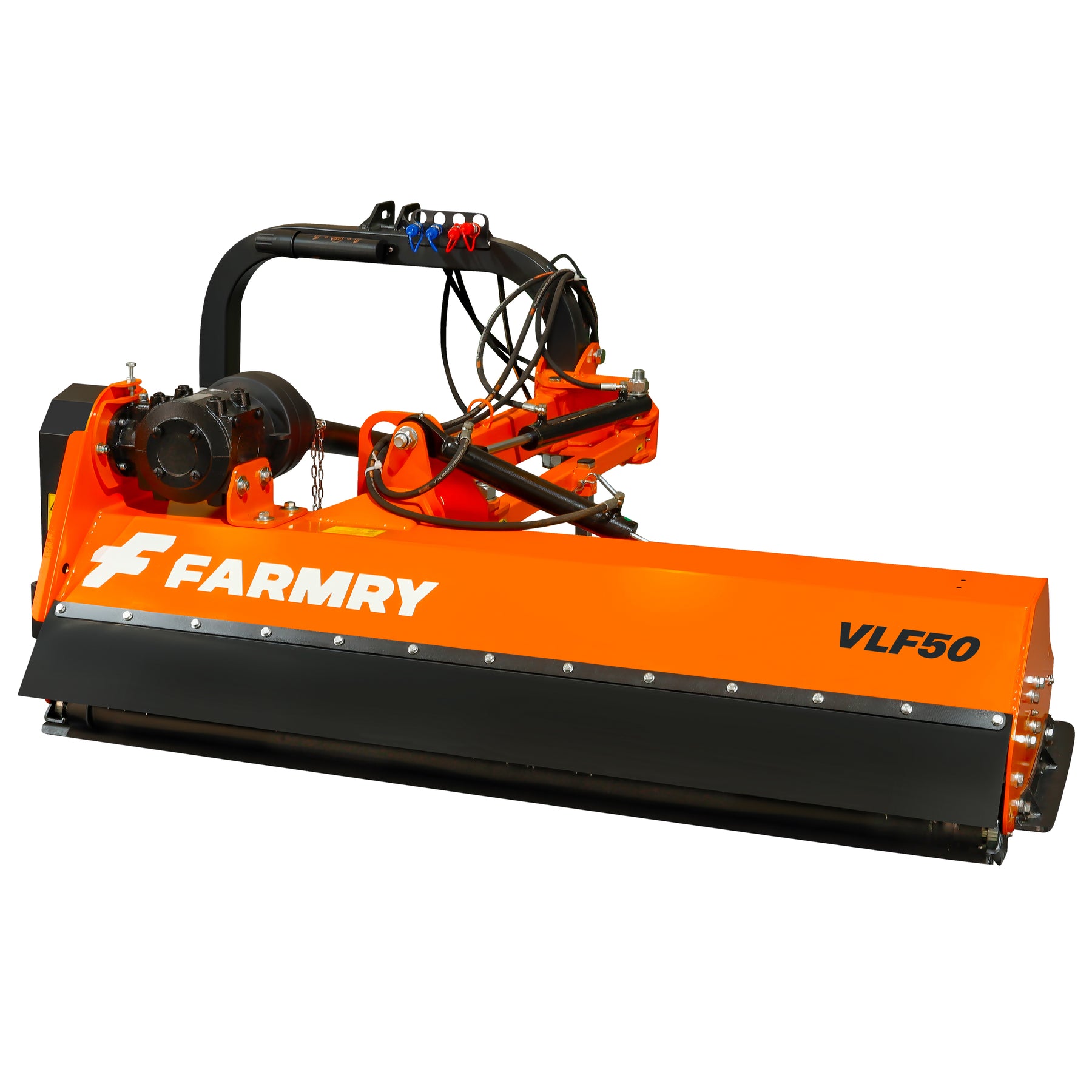
The VLF50, VLF57, and VLF65 form the compact-tractor group in this collection. They provide 50, 57, and 65 in. working widths, with listed net weights ranging from 639 to 752 lbs, and are matched to 25–45 HP tractors with a Category 1 hitch.
Within this group, the main decision is how much cutting coverage you want while staying within the limits of your tractor. A narrower model can be easier to position around tighter property boundaries, while the wider VLF options increase coverage where more open ditch banks, field margins, or long fence lines need regular mowing.
Use the comparison table below to review the differences between the three VLF models rather than assuming the largest mower is automatically the best fit.
VHF Series for 60–100 HP Category 2 & 3 Tractors
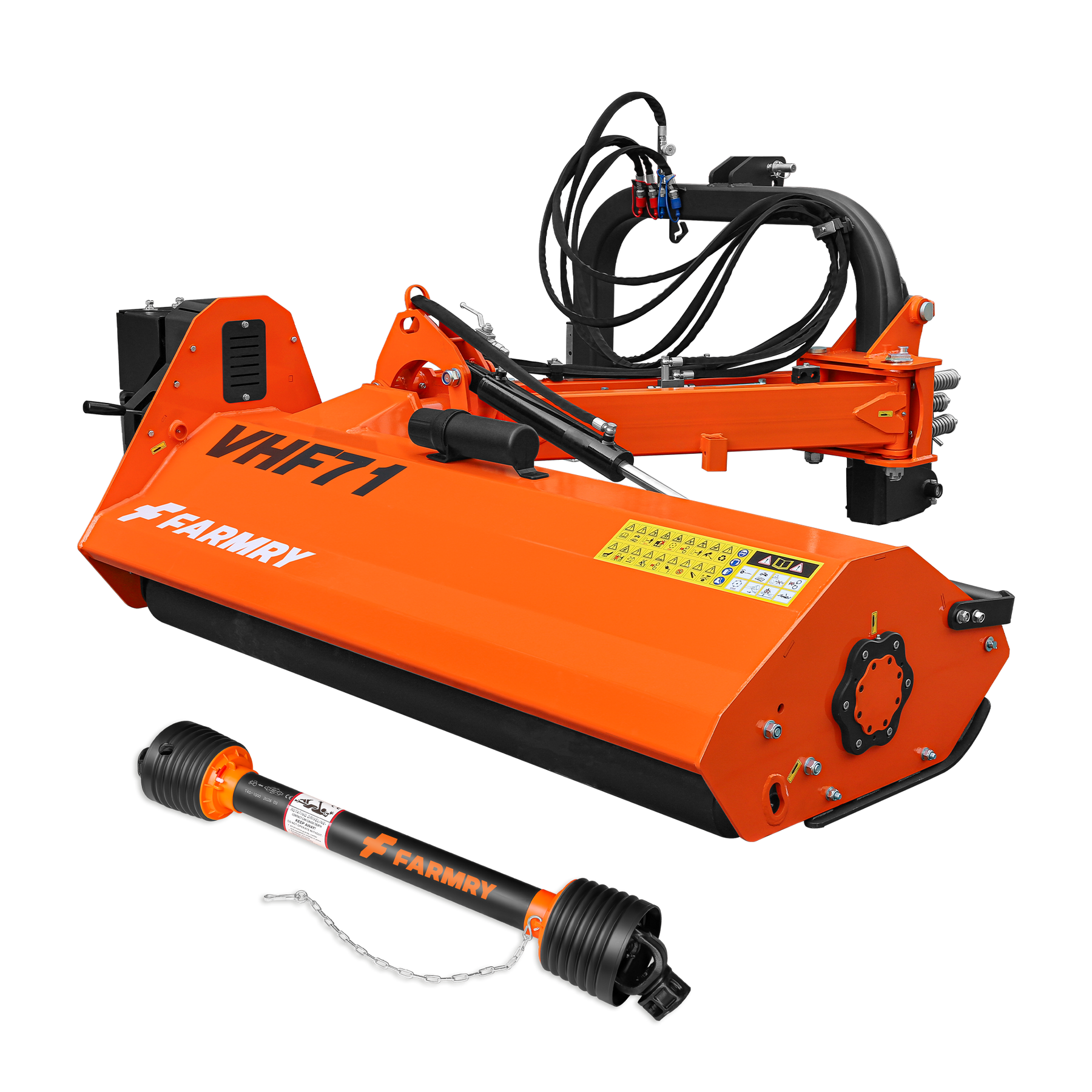
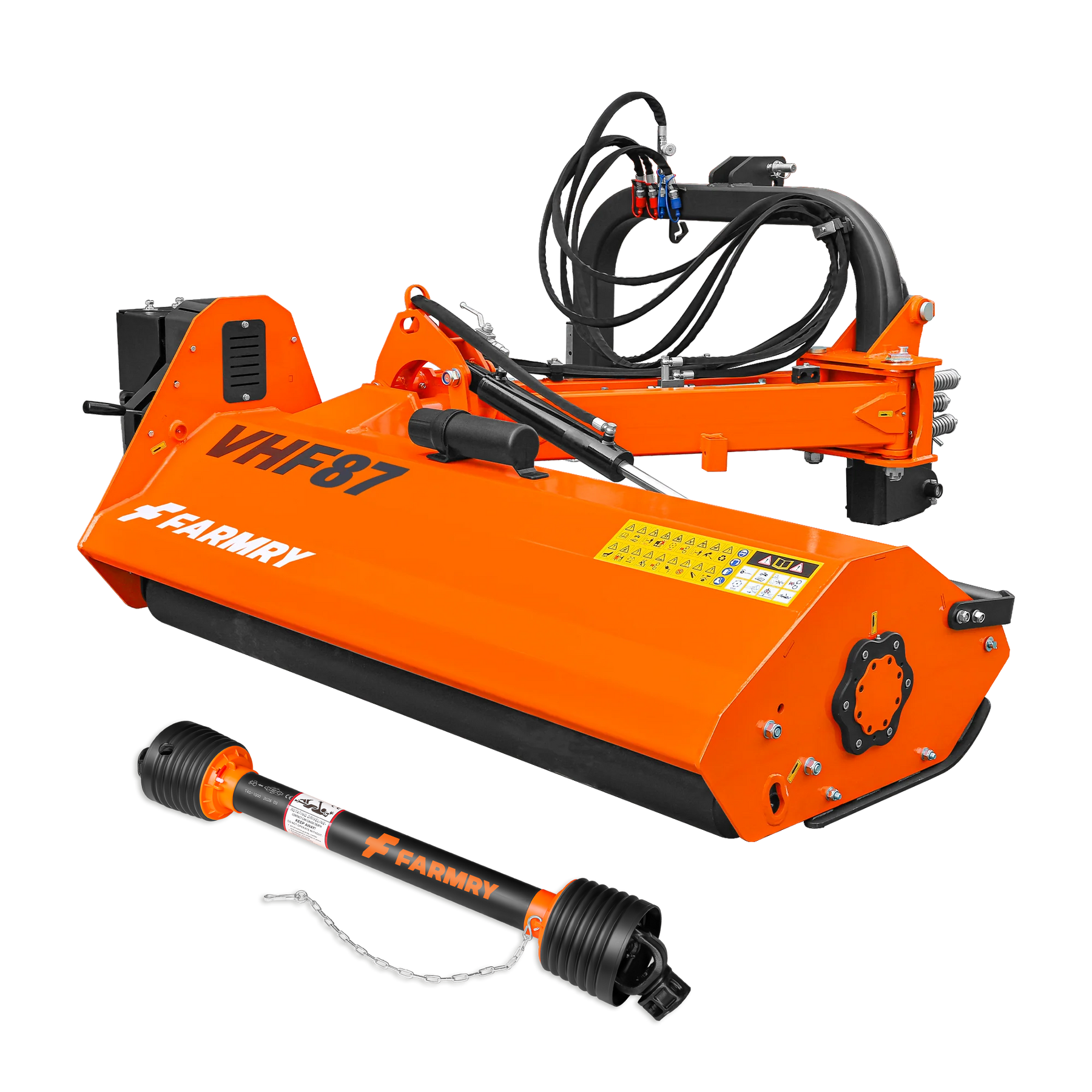
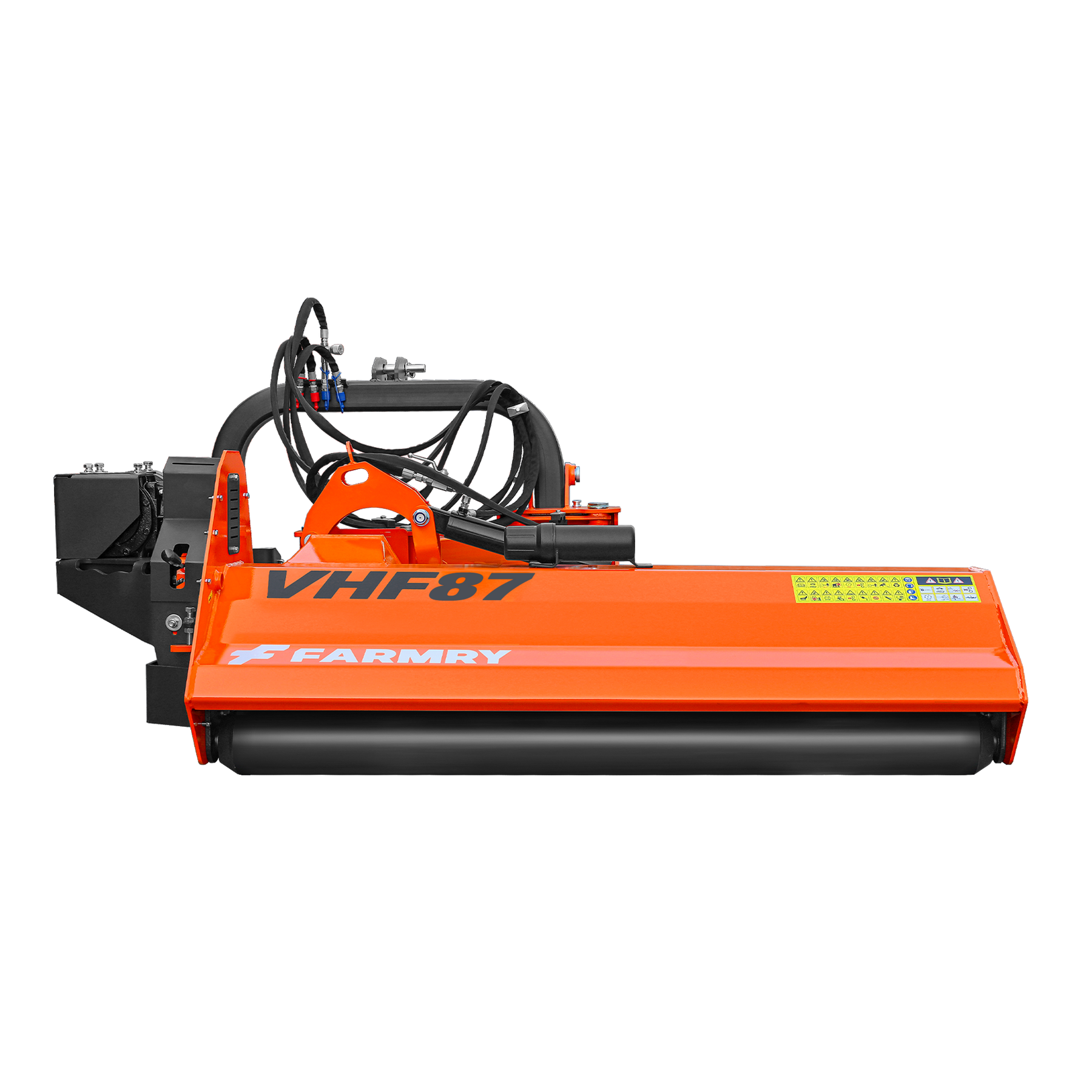
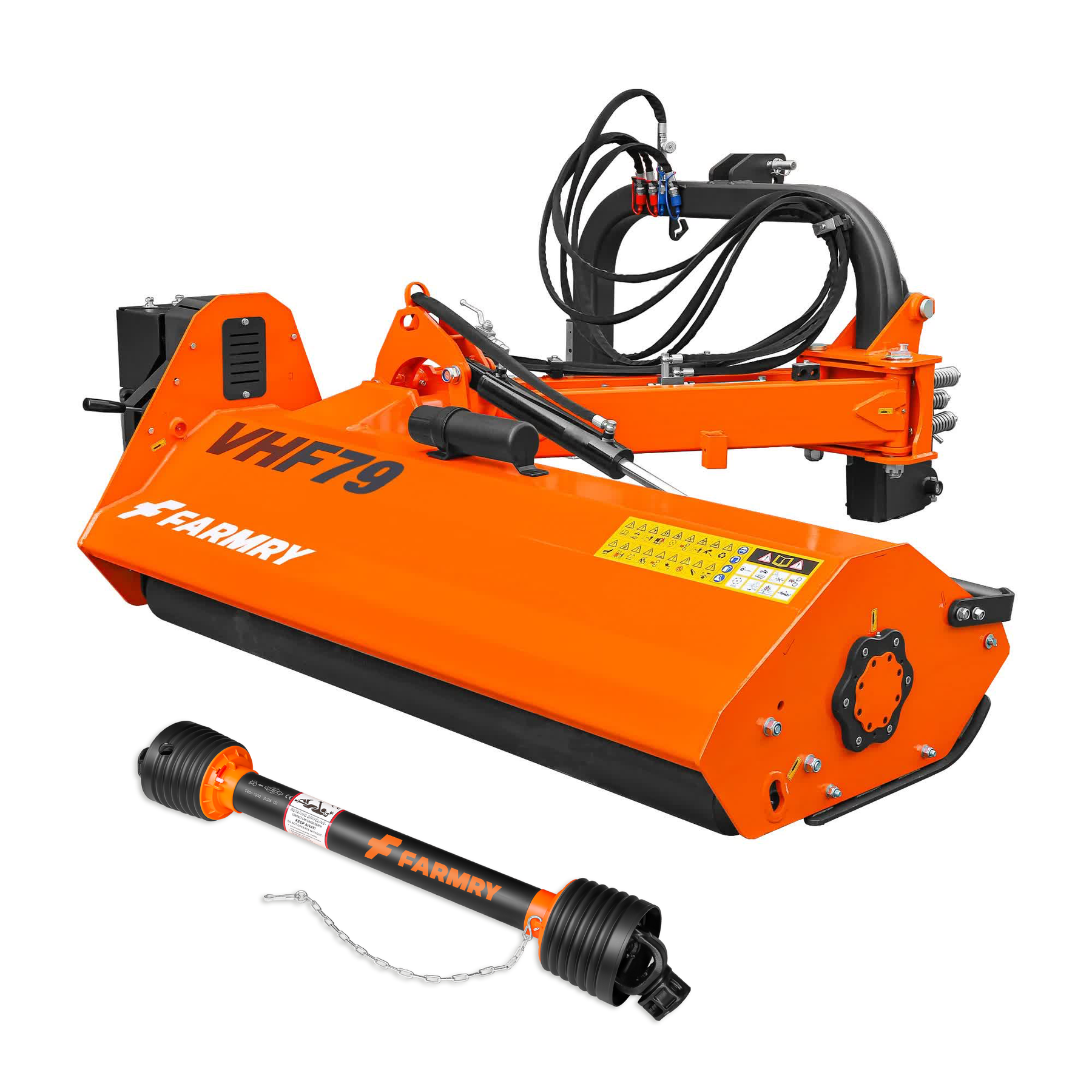
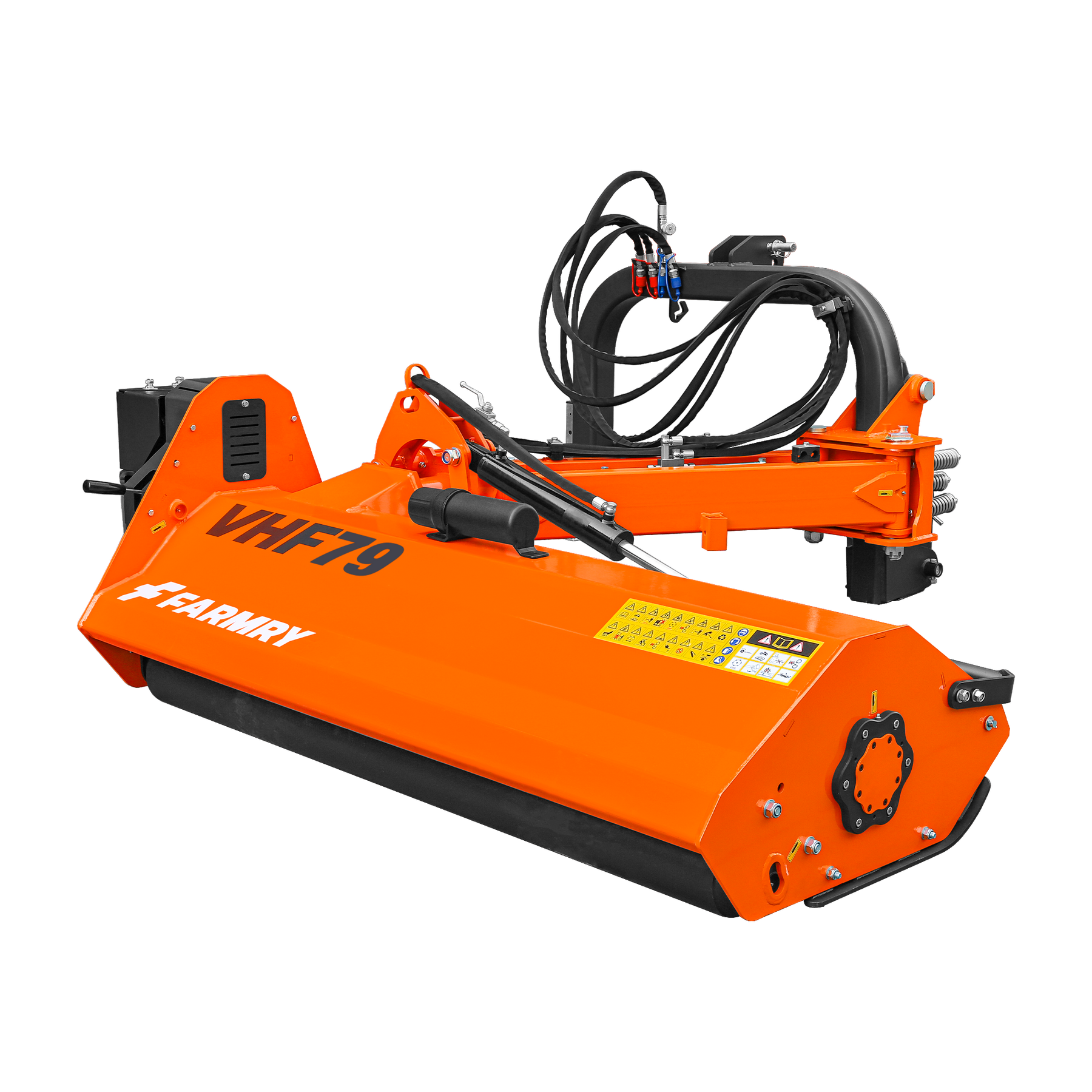
The VHF63, VHF71, VHF79, and VHF87 are the larger models in this collection, covering 63–87 in. working widths with listed net weights from 1,554 to 1,737 lbs. They are positioned for 60–100 HP tractors with Category 2 & 3 hitches, making them the relevant group for buyers operating larger tractors and maintaining longer or wider mowing areas.
The four available widths let buyers balance coverage, tractor size, and the amount of edge or bank maintenance required. For properties with extended roadsides, broad embankments, long field boundaries, or repeated acreage maintenance, the wider VHF models can reduce the number of passes compared with narrower equipment.
Rather than selecting by horsepower alone, use your tractor class to identify the appropriate series first, then compare working width, hitch category, blade quantity, net weight(PTO driveline included), and current price in the table below before moving to an individual product page.
FAQs
What is an offset flail mower and how does a 3 point offset flail ditch bank mower work?
What is an offset flail mower and how does a 3 point offset flail ditch bank mower work?
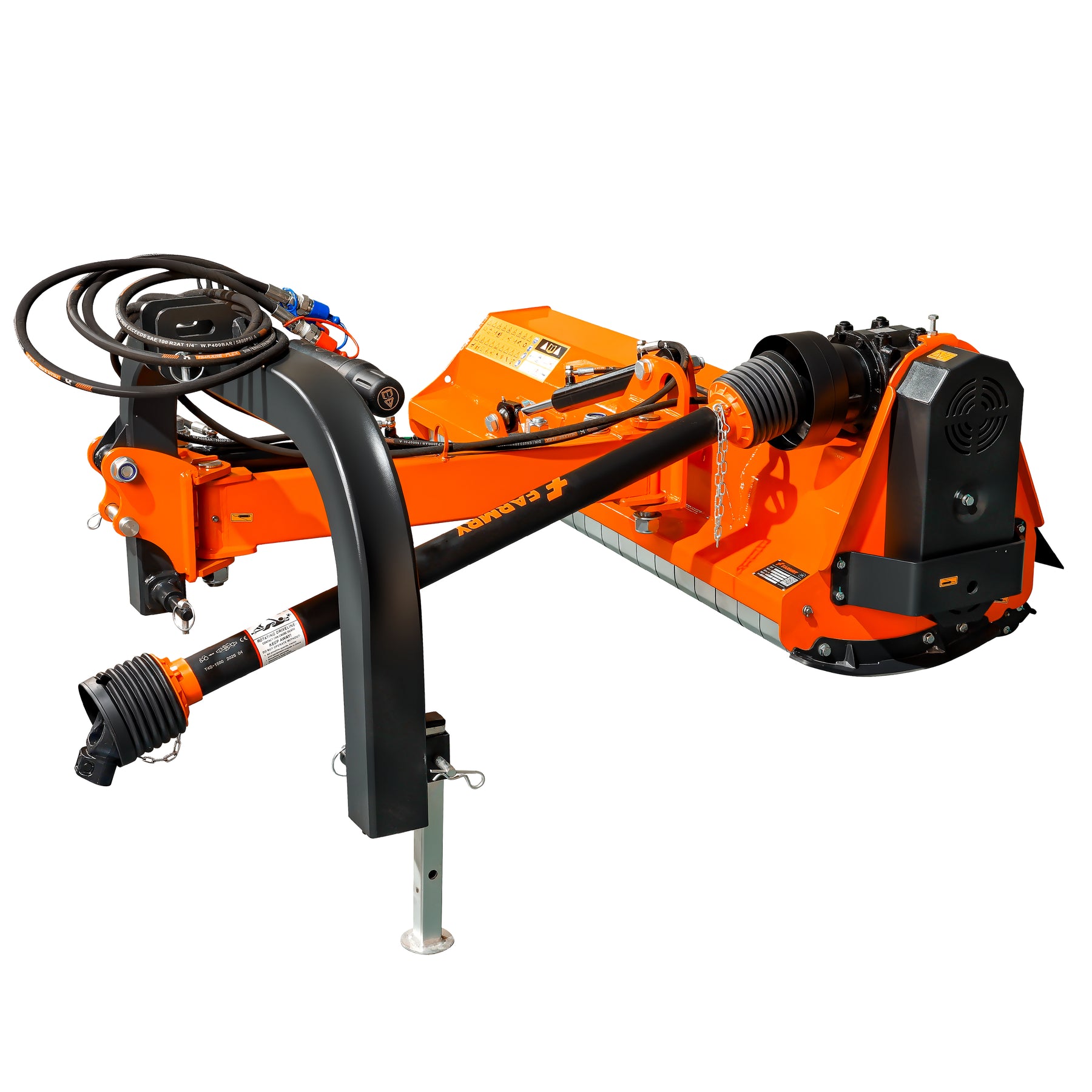
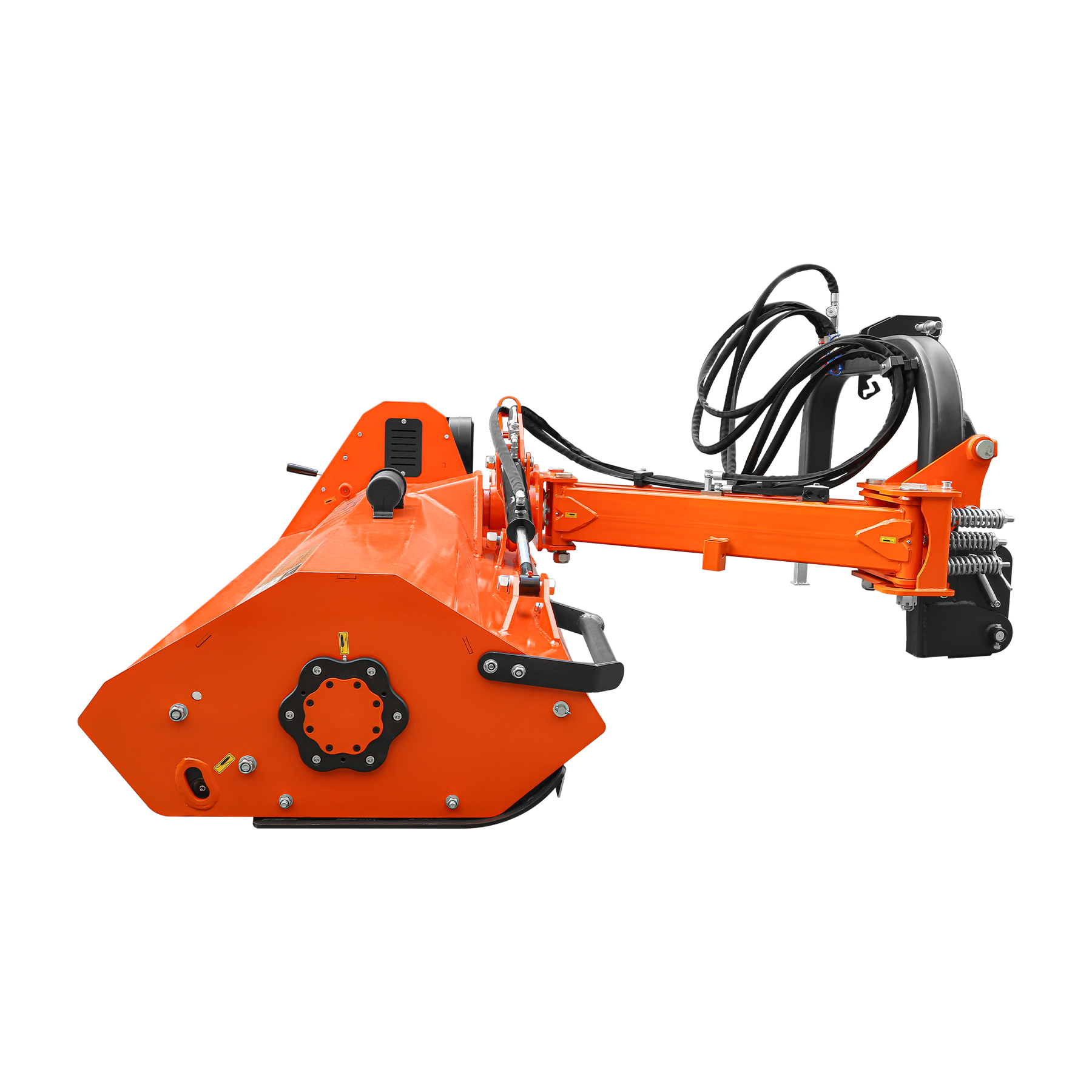
An offset flail mower is a heavy-duty mowing attachment designed to clear thick grass, light tree growth, and tough debris. A 3 point offset flail ditch bank mower connects to your tractor via a standard 3-point hitch type, and features a hydraulic offset arm that allows the mower head to swing outward or downward. This function is perfect for trimming along ditches, banks, and fence lines, especially in areas with uneven terrain.
Can a 3 point offset flail mower handle branches and rugged mowing conditions?
Can a 3 point offset flail mower handle branches and rugged mowing conditions?
Yes. These mowers are engineered with robust hammer blades that can chop through small branches, dense weeds, and rough vegetation. Combined with a floating design and adjustable skid shoes, the mower glides over ground without scalping or damaging the surface, making it ideal for roadside work, orchard rows, and hilly areas.
What type of tractor and hydraulics do I need to run an offset flail mower?
What type of tractor and hydraulics do I need to run an offset flail mower?
Your tractor should have at least 35–90 HP and be equipped with a 3-point hitch type (Category 1 or 2). A working rear remote hydraulic connection is essential to activate the hydraulic offset—this lets you move the mowing head side to side while operating, improving precision and access in tight areas.
How do I choose the right size, weight, and cutting width for my needs?
How do I choose the right size, weight, and cutting width for my needs?
Offset flail mowers vary in weight, width, and rotor diameter. For example, Farmry offers models with 60–87 inch cutting width and weight ranging from 800 to 1,200 lbs. Make sure your tractor can safely lift and operate the mower based on its power rating and your terrain type.
How do hammer blades and belts affect performance and maintenance?
How do hammer blades and belts affect performance and maintenance?
The hammer blades are built for durability and versatility, capable of cutting brush and mulch with a clean finish. Internally, belts transfer power from the PTO to the cutting rotor. Tensioned properly, they reduce strain on the system and keep performance smooth and consistent—even under load.
How is the mower head attached and secured for safety and stability?
How is the mower head attached and secured for safety and stability?
The mower head is securely attached to the main frame with reinforced steel brackets and heavy-duty bolts. This stable build keeps the machine balanced during offset operations and ensures safe performance, even while swinging the mower over slope edges or around obstacles.
Relevant Blogs