Skip to content




you may also like

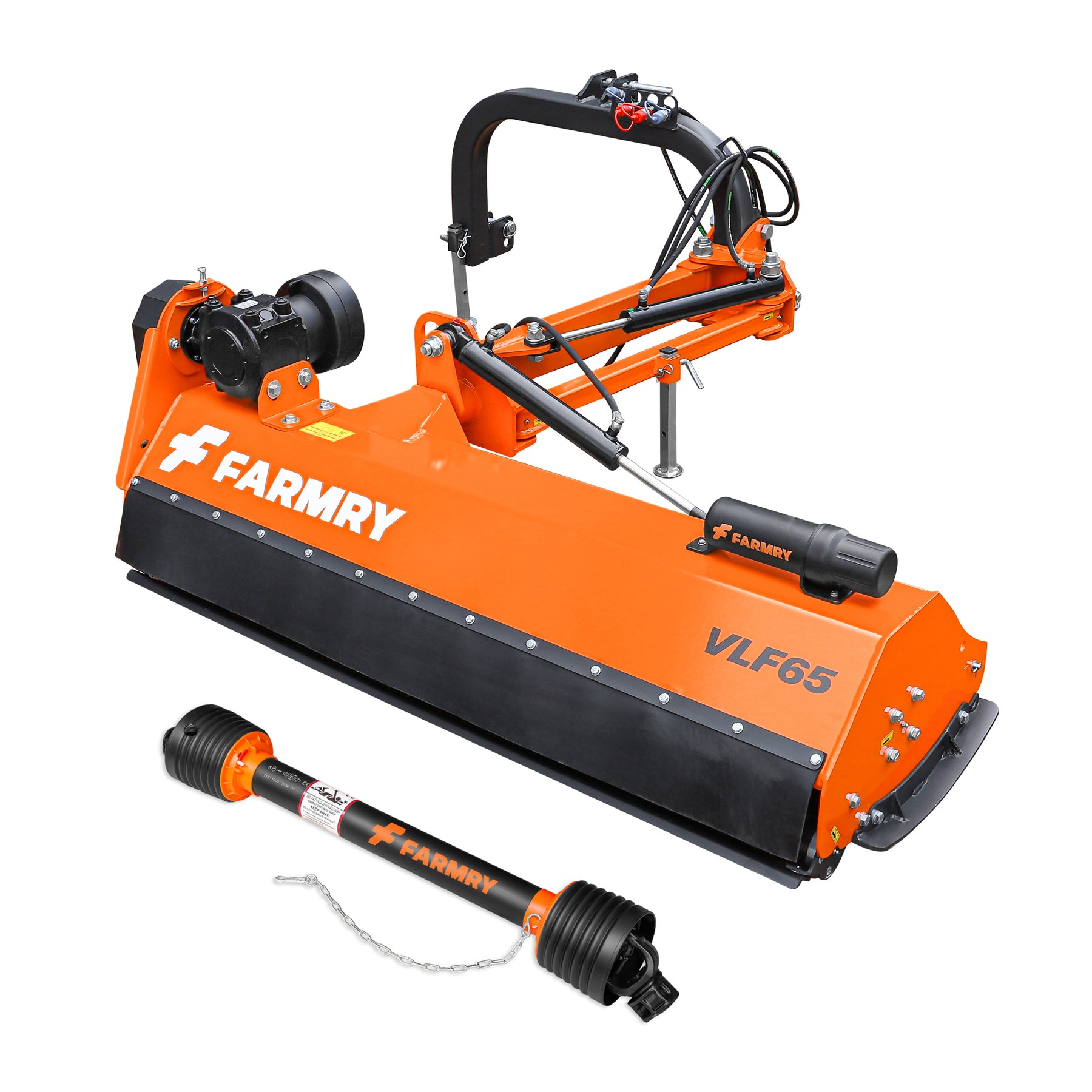


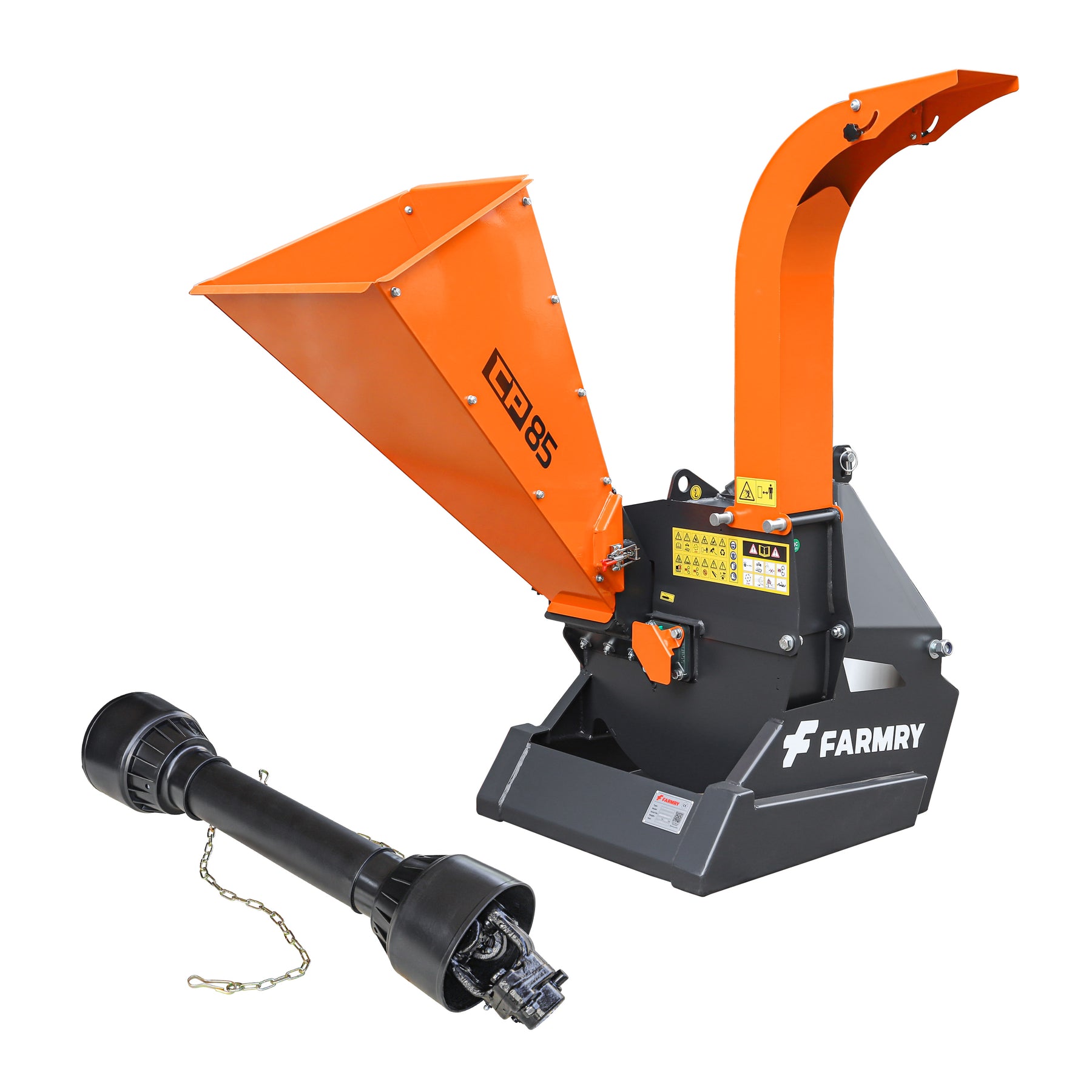



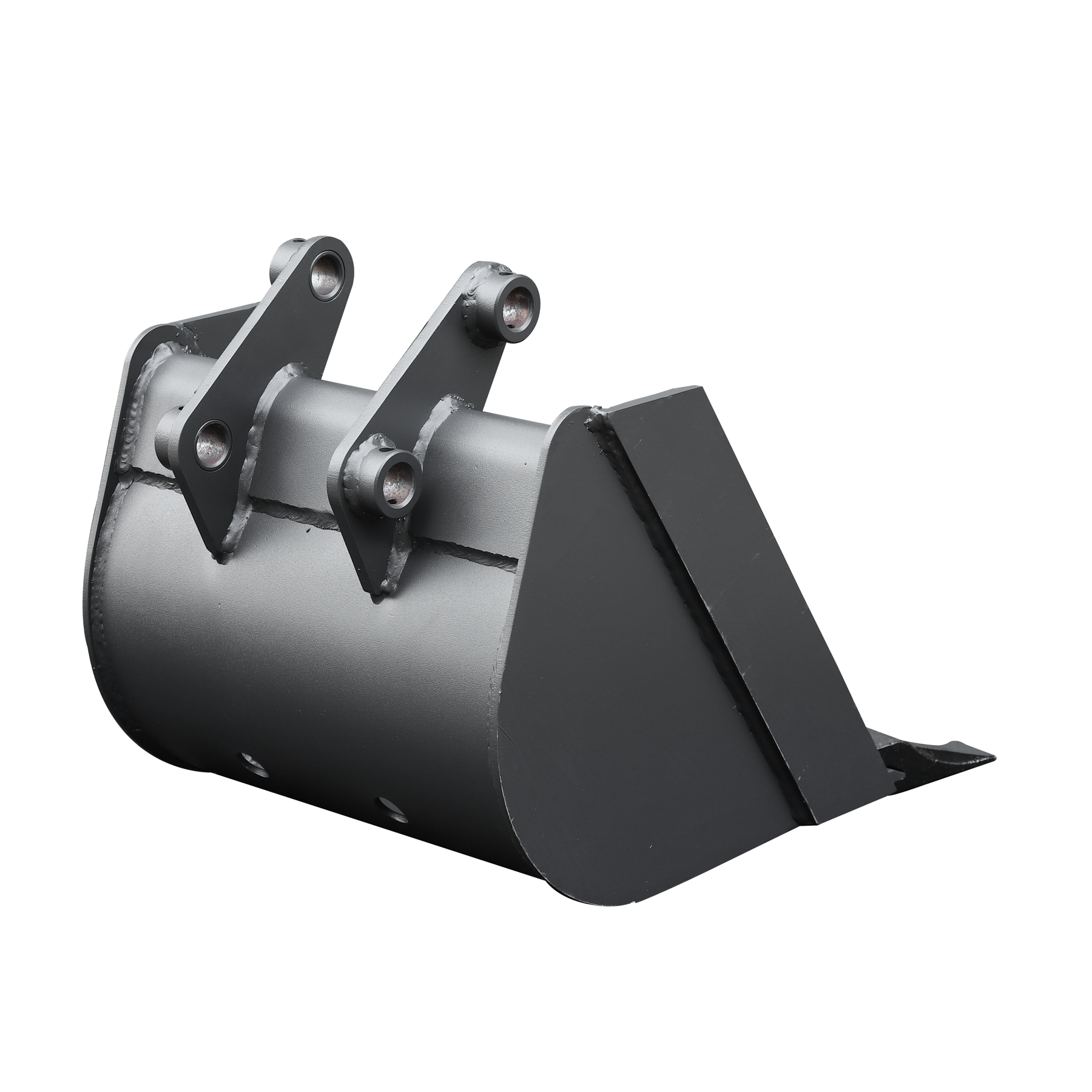
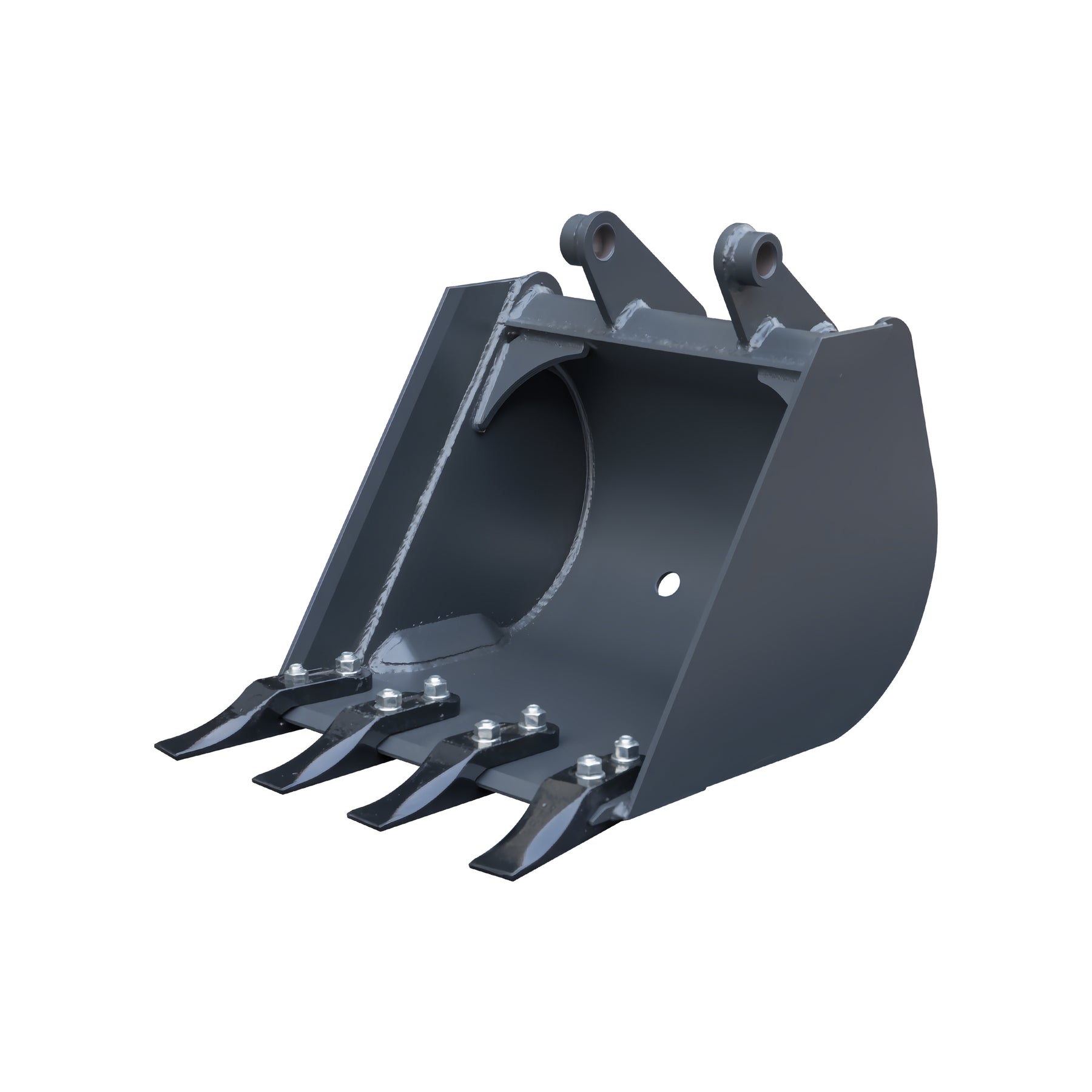
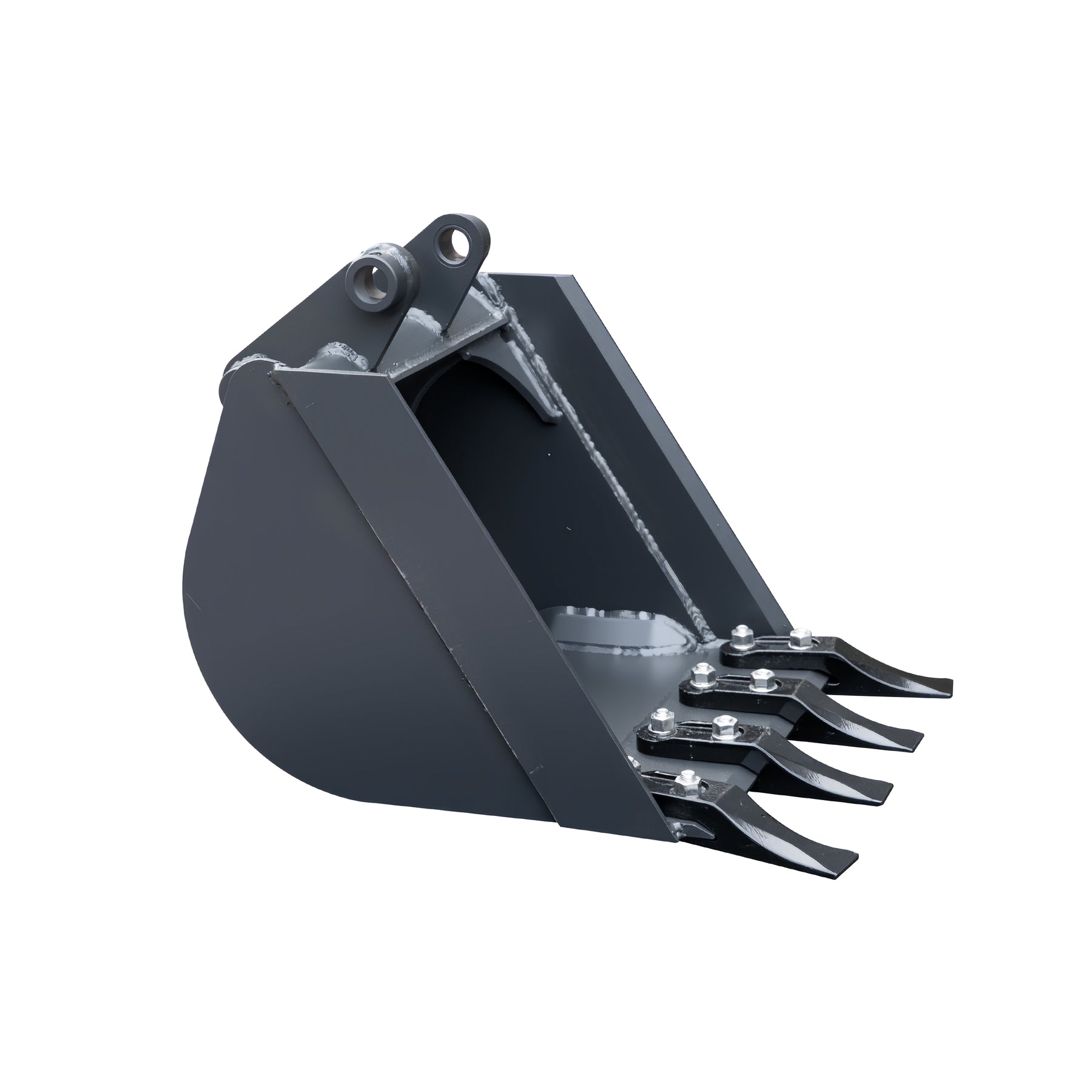
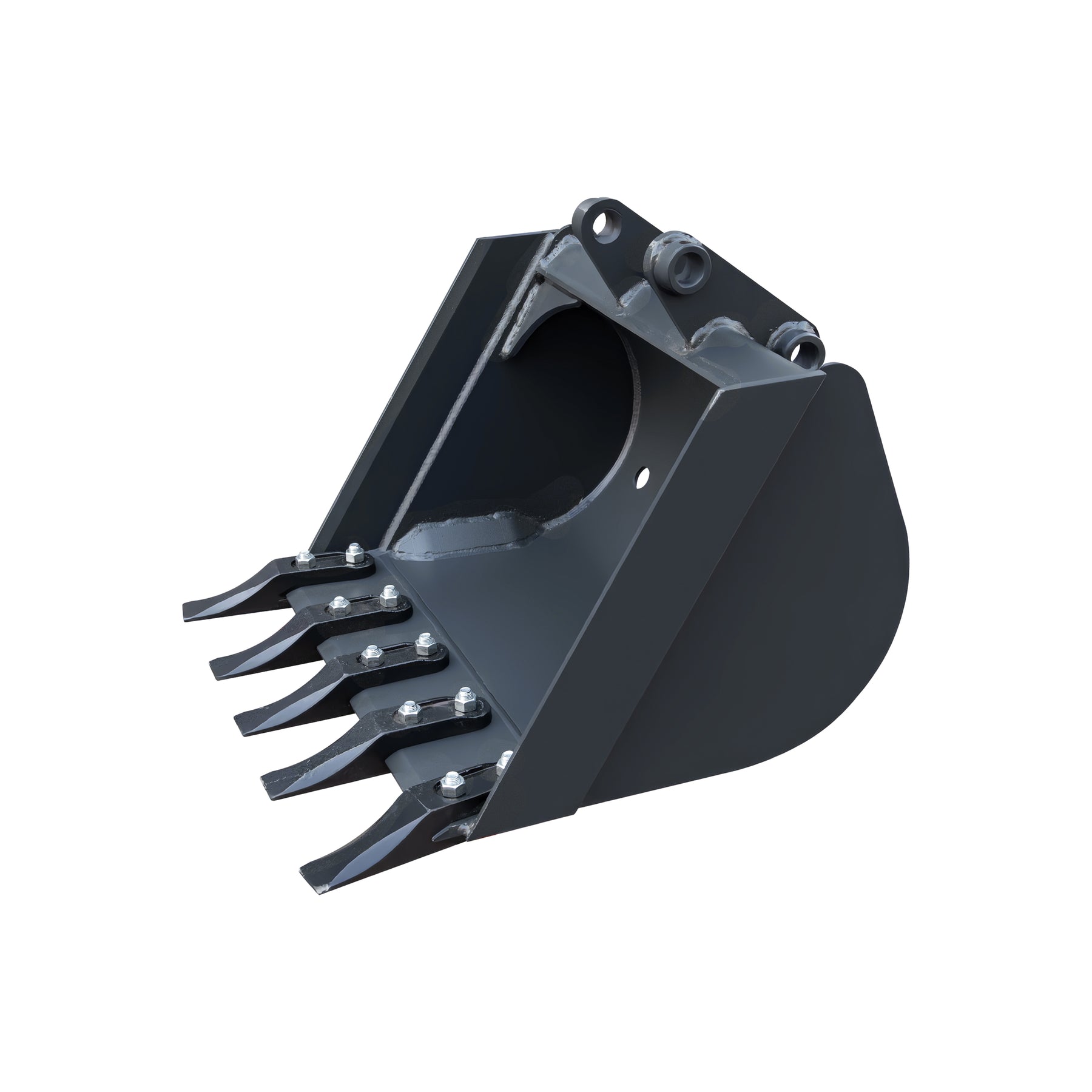
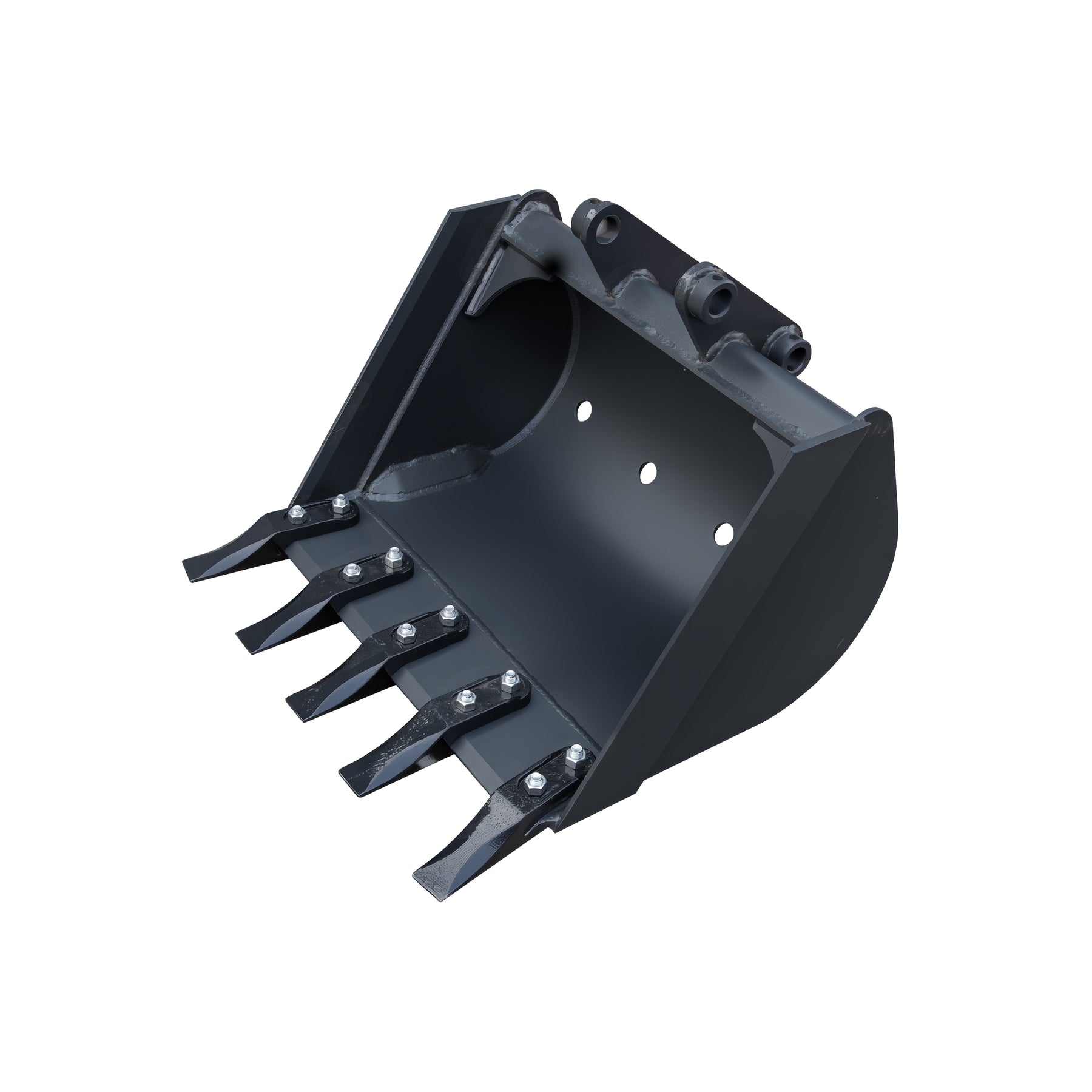
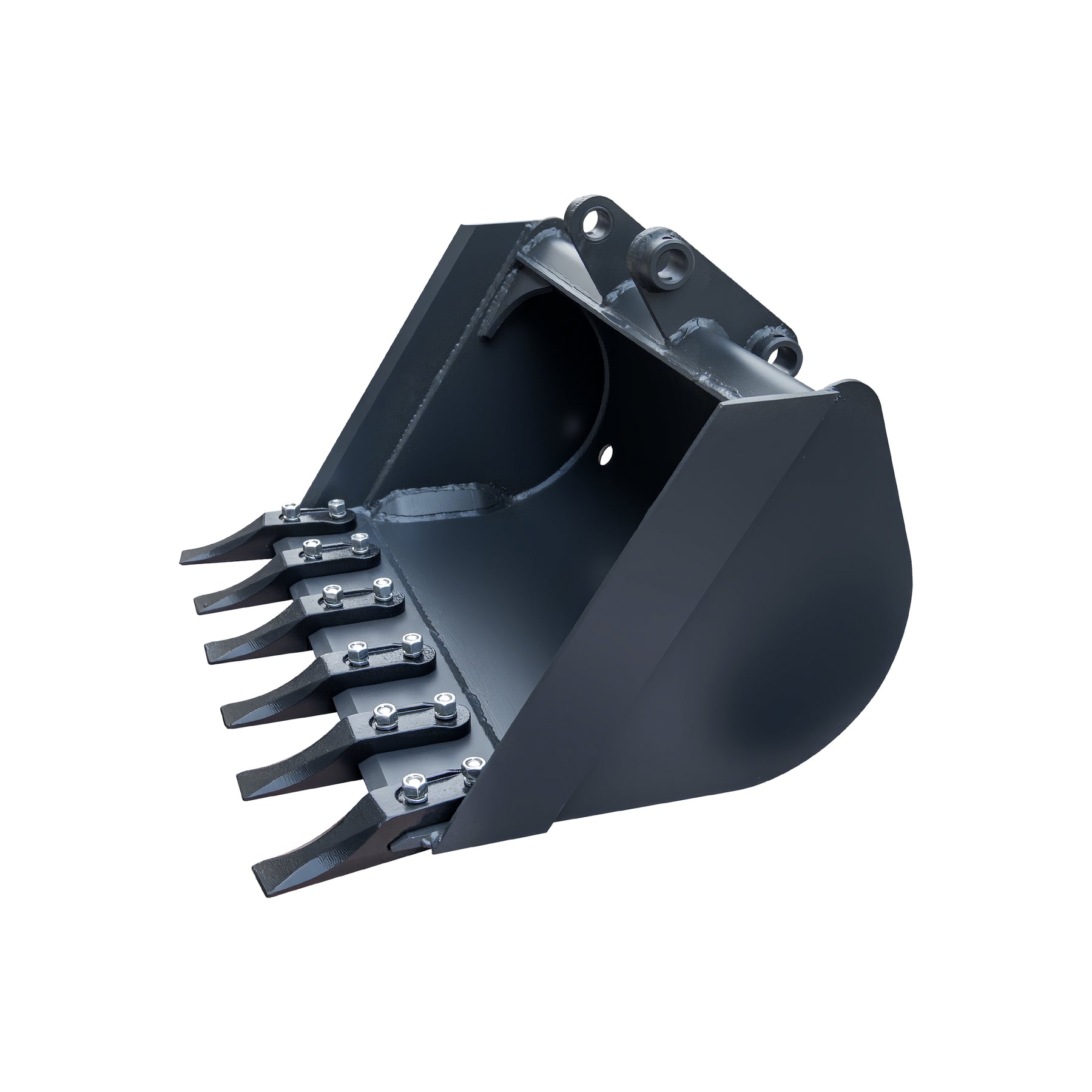
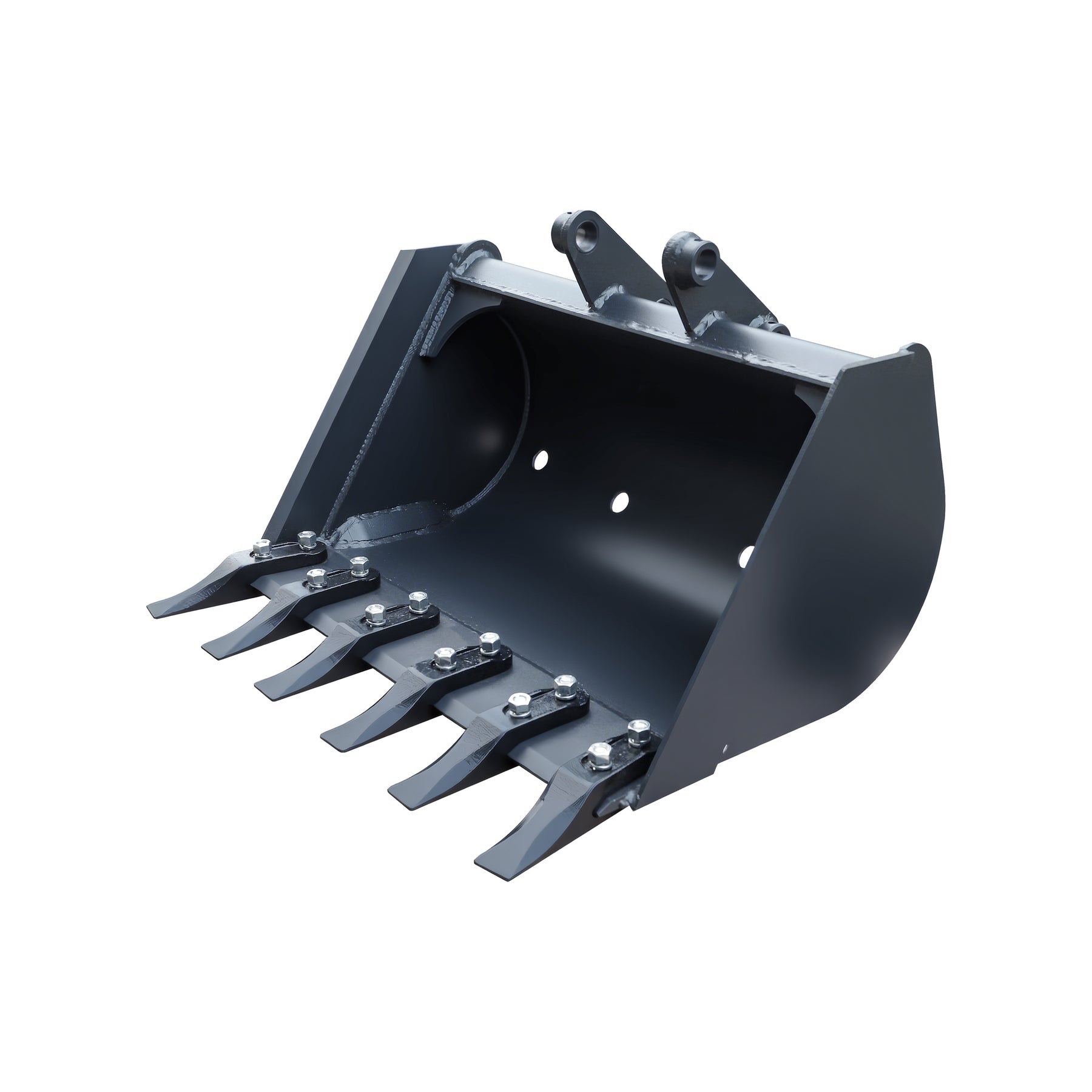
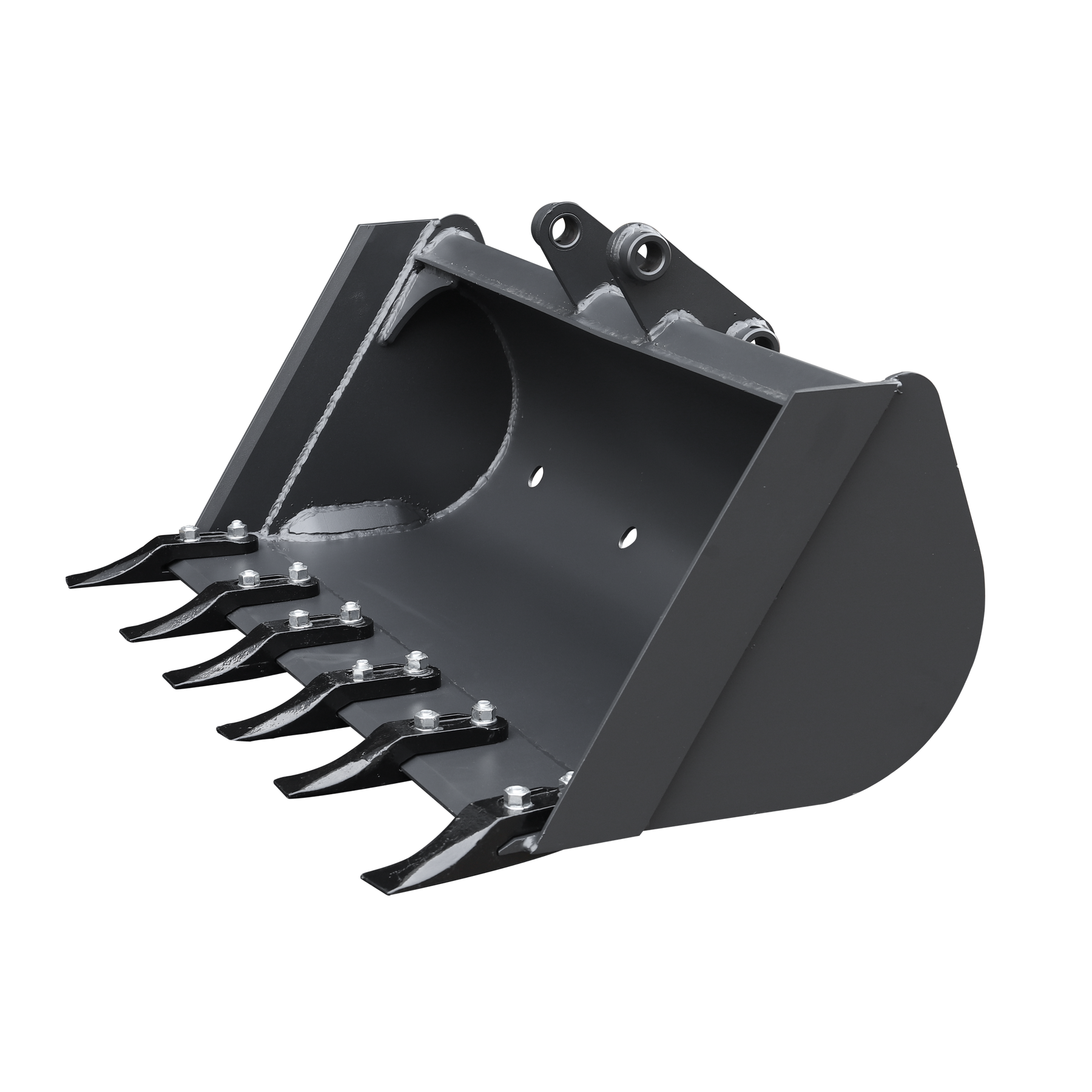
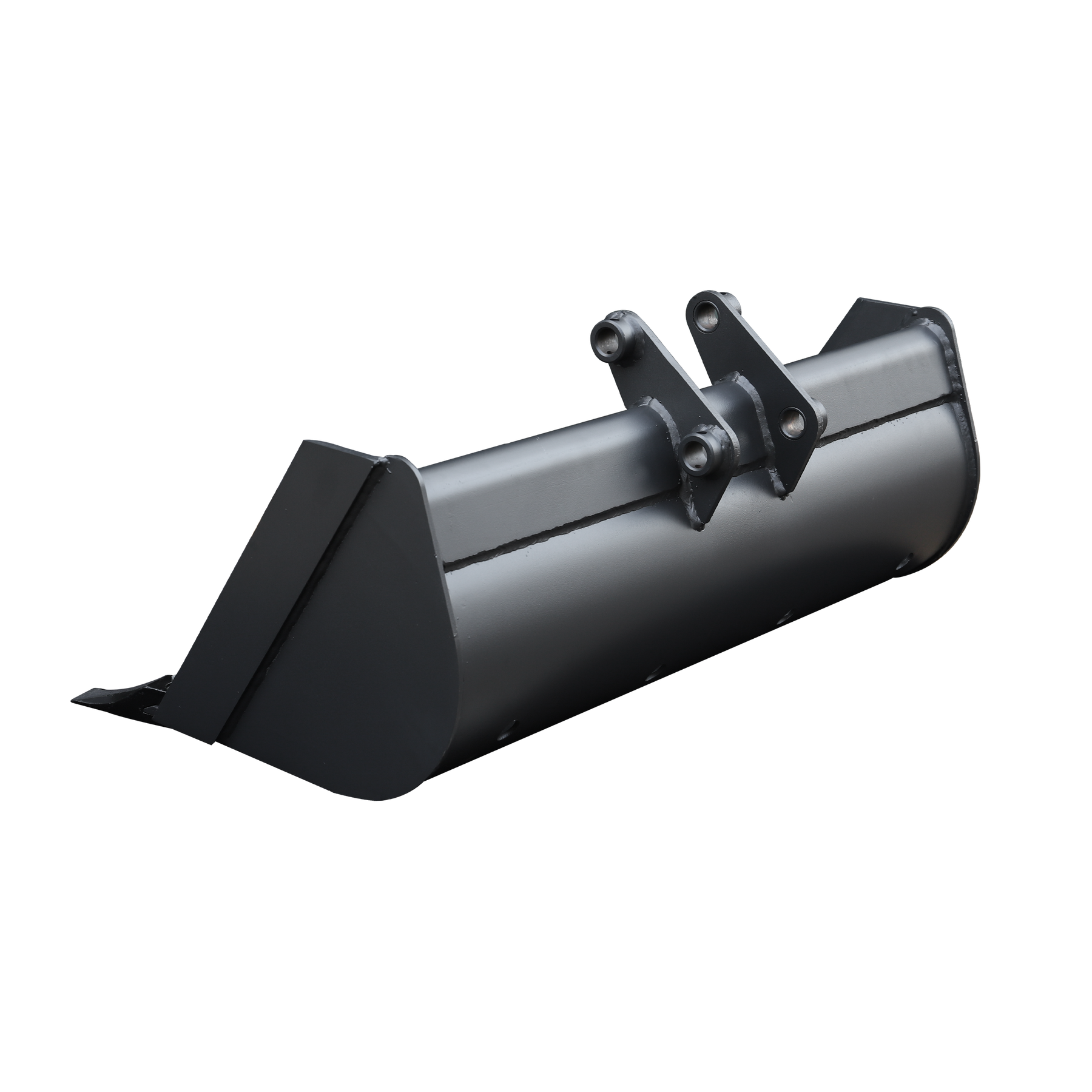

Backhoe Solutions for Tractor Owners, Farms, and Property Work
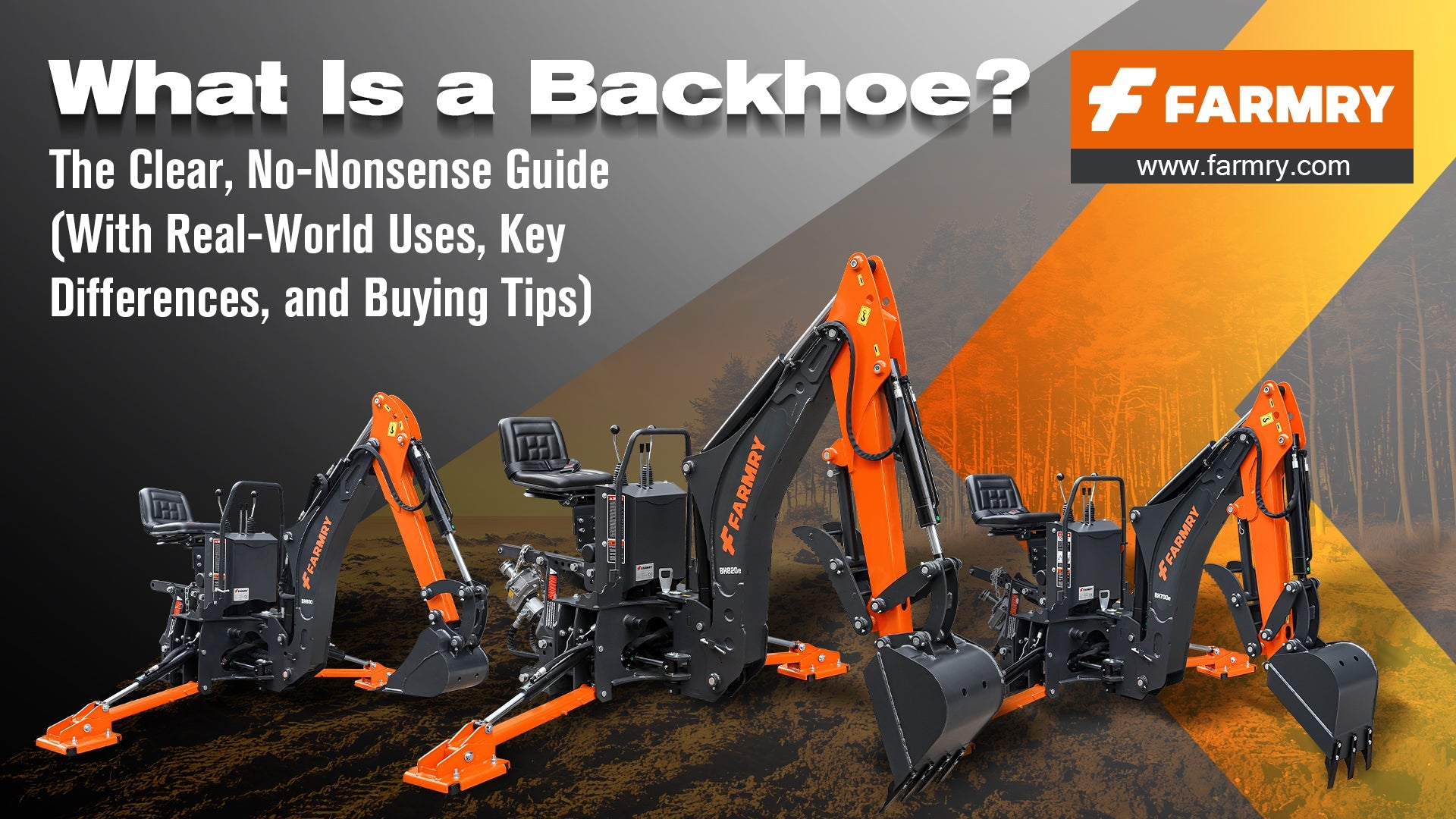
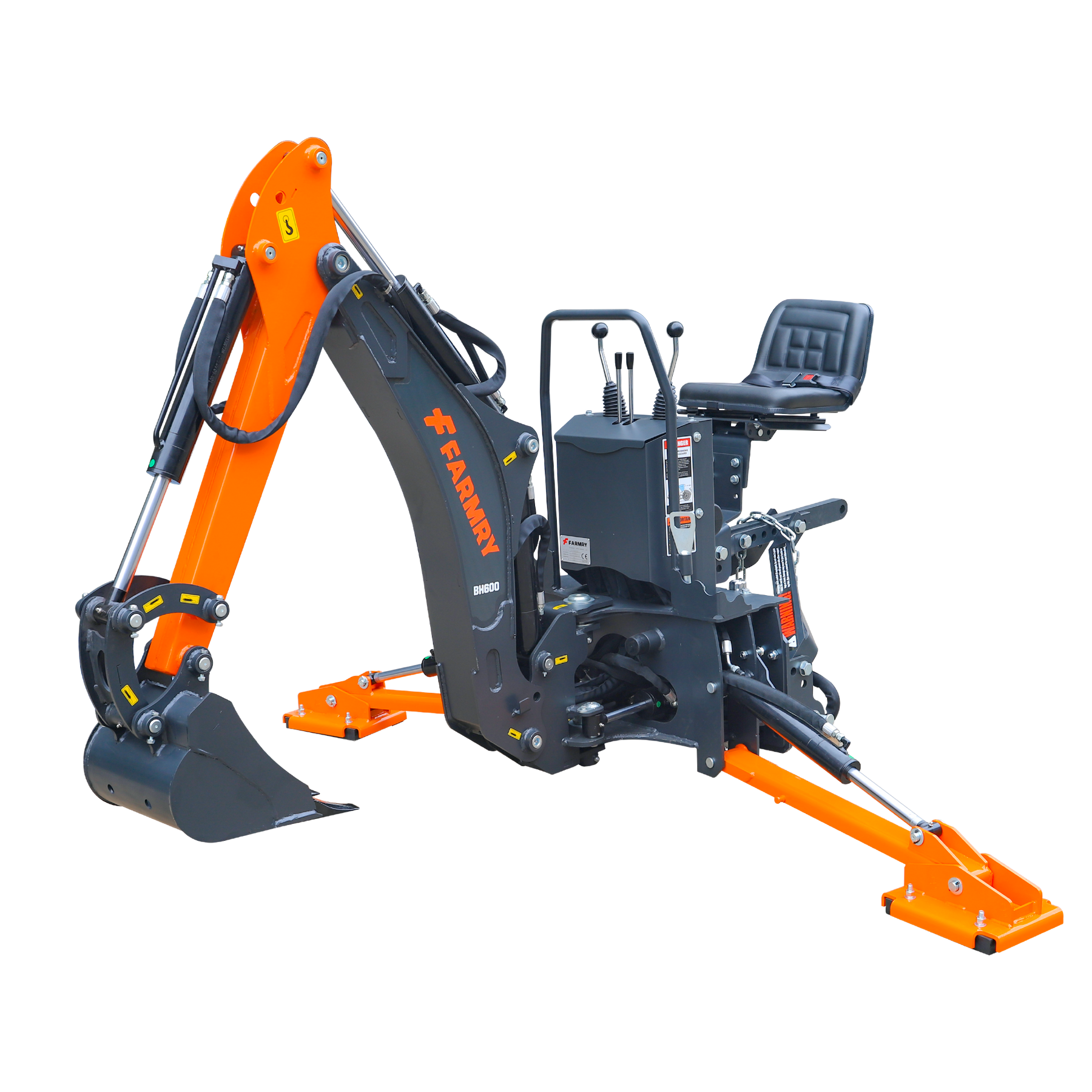
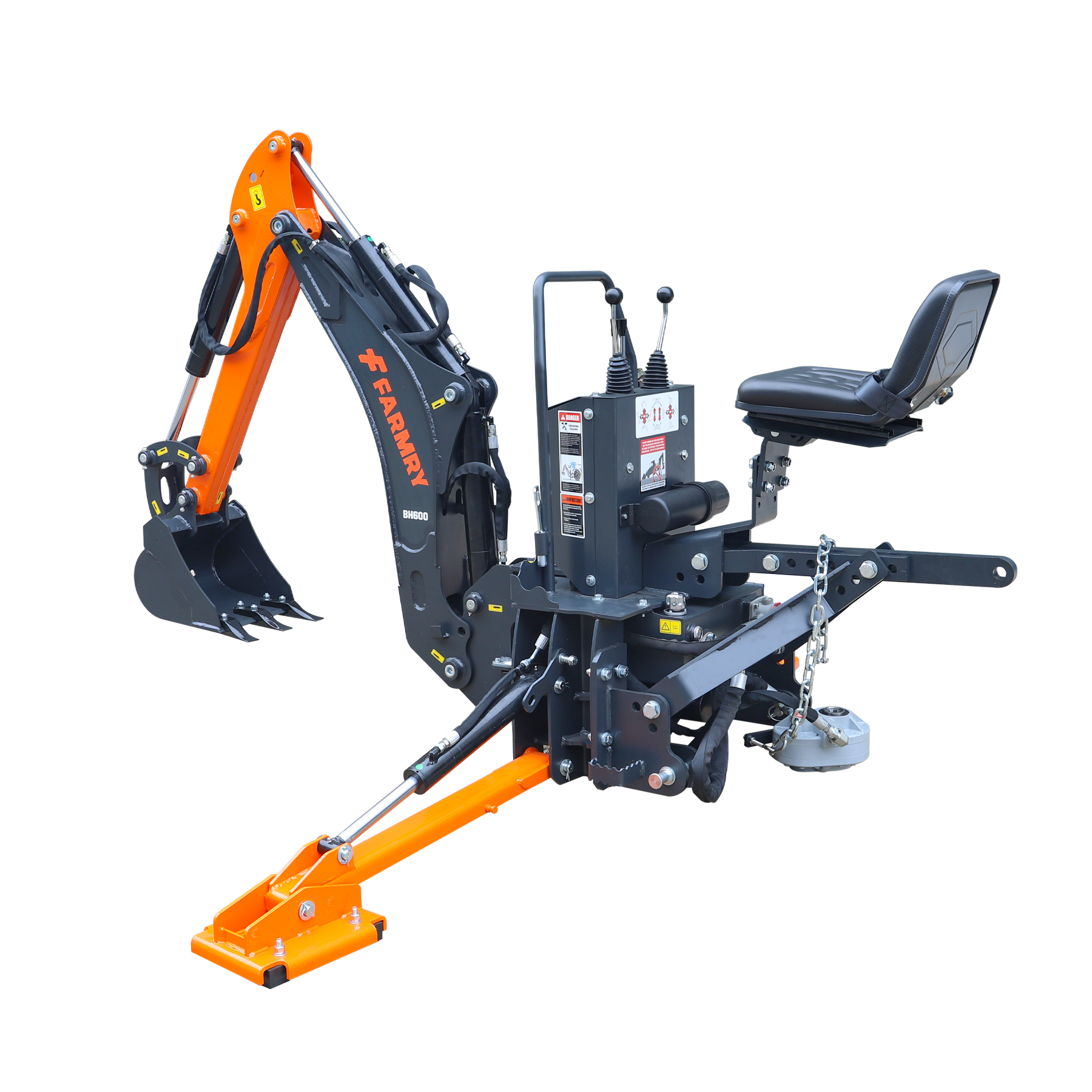
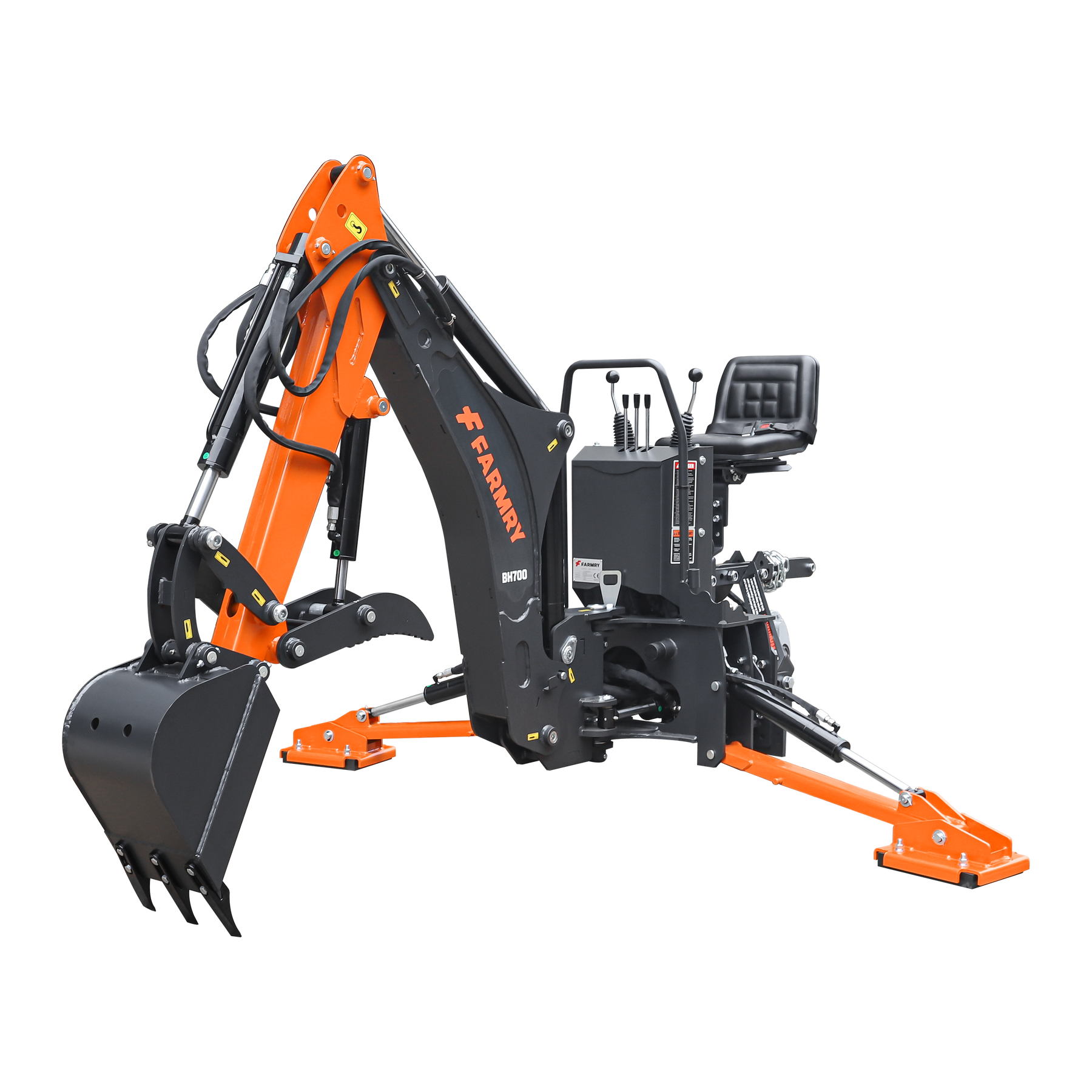
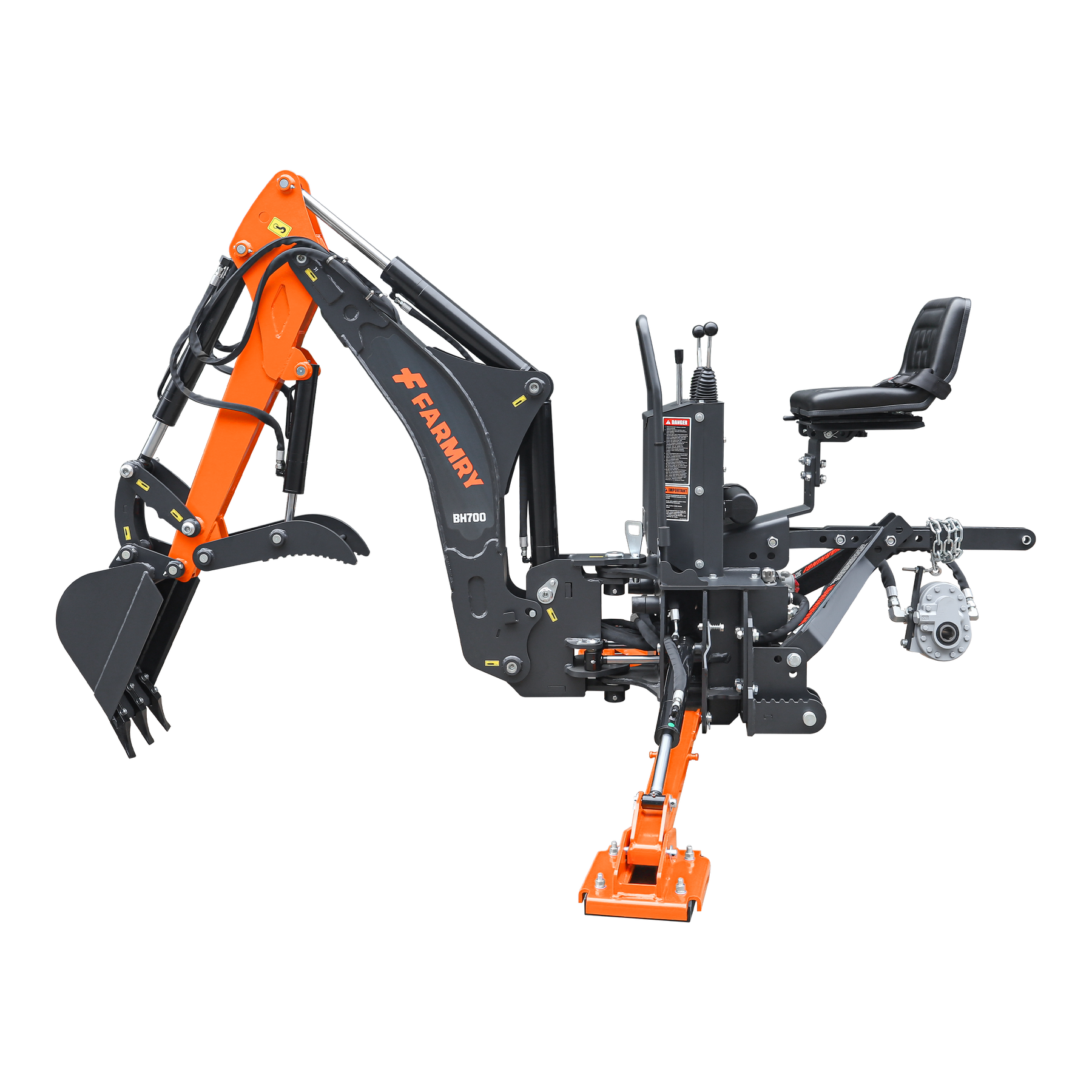
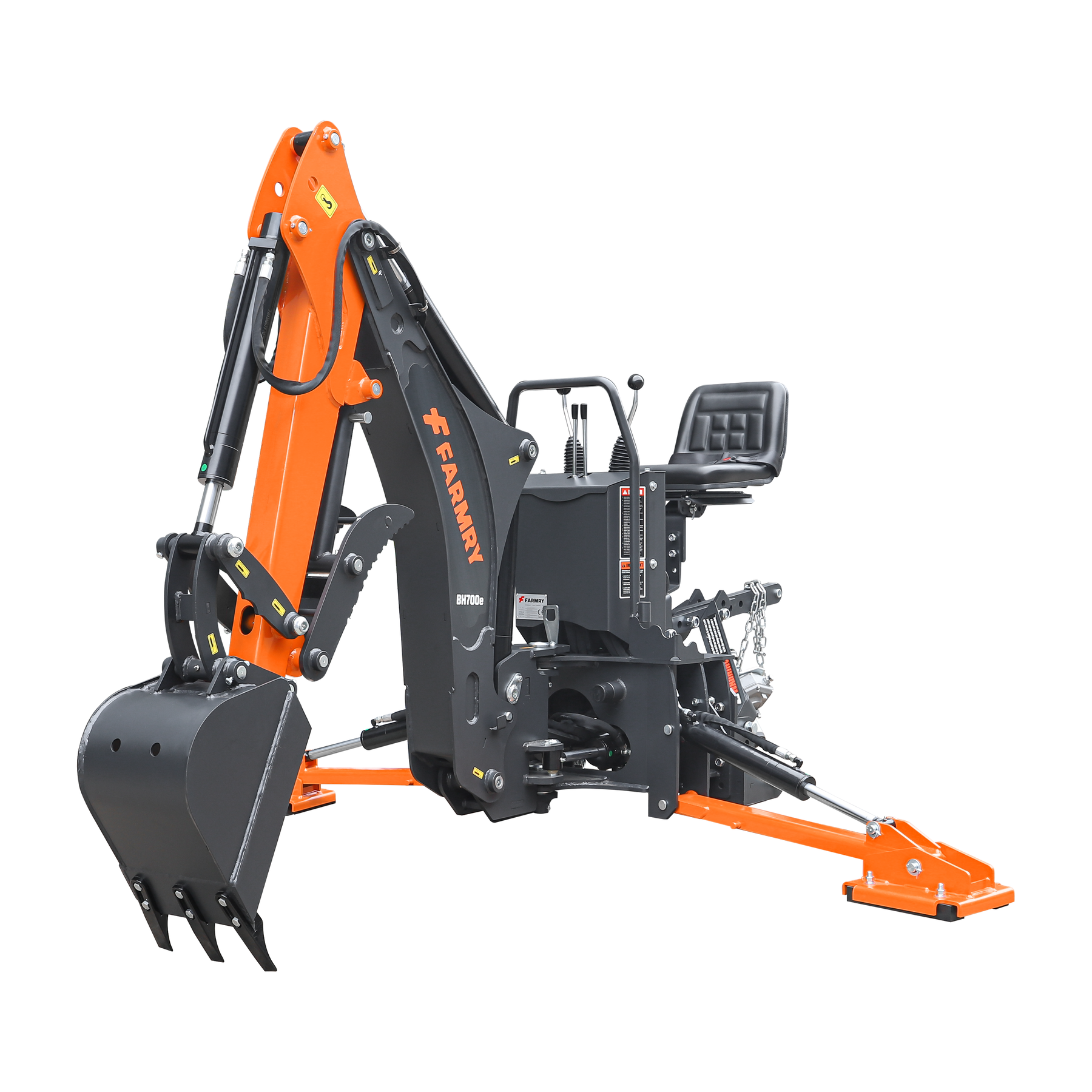
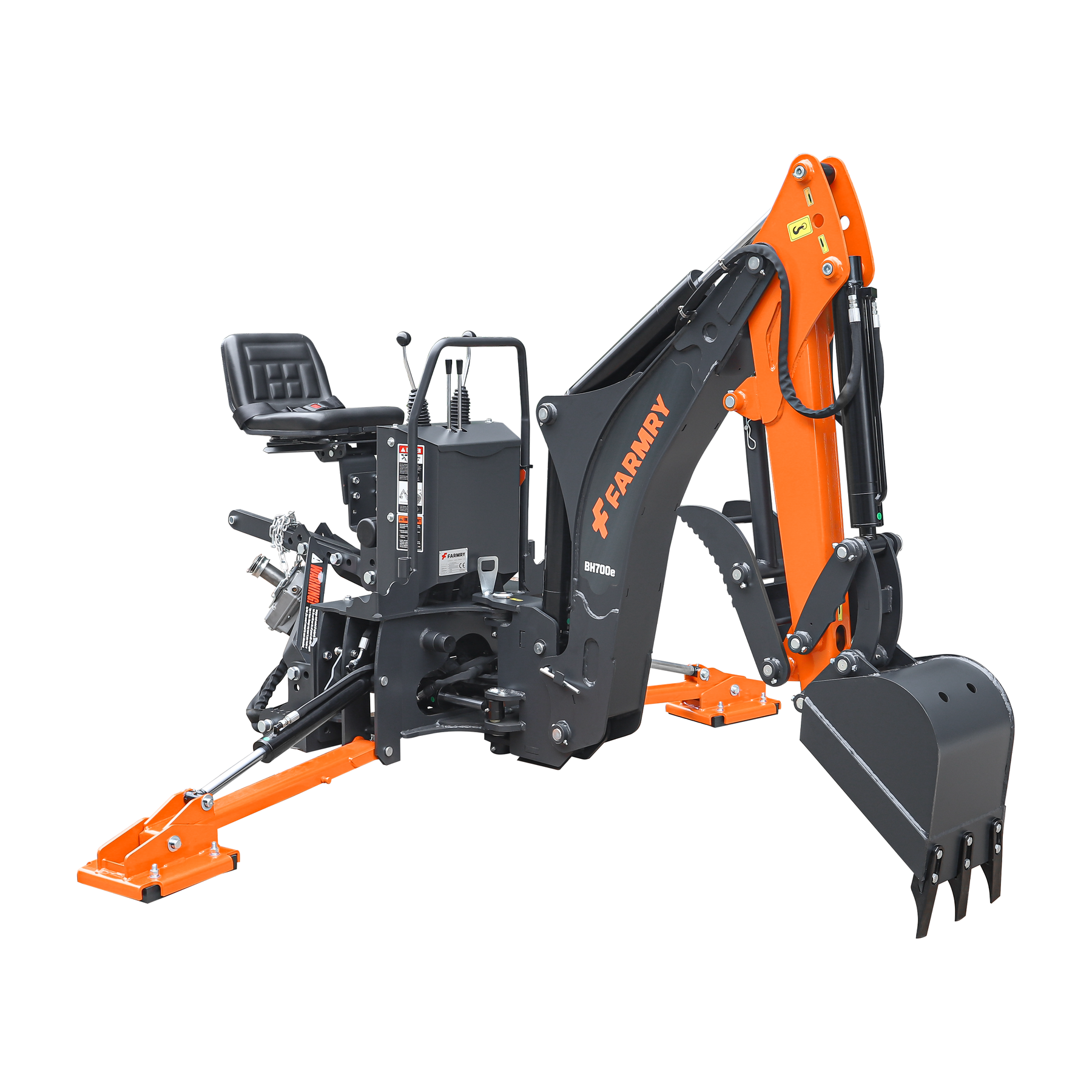
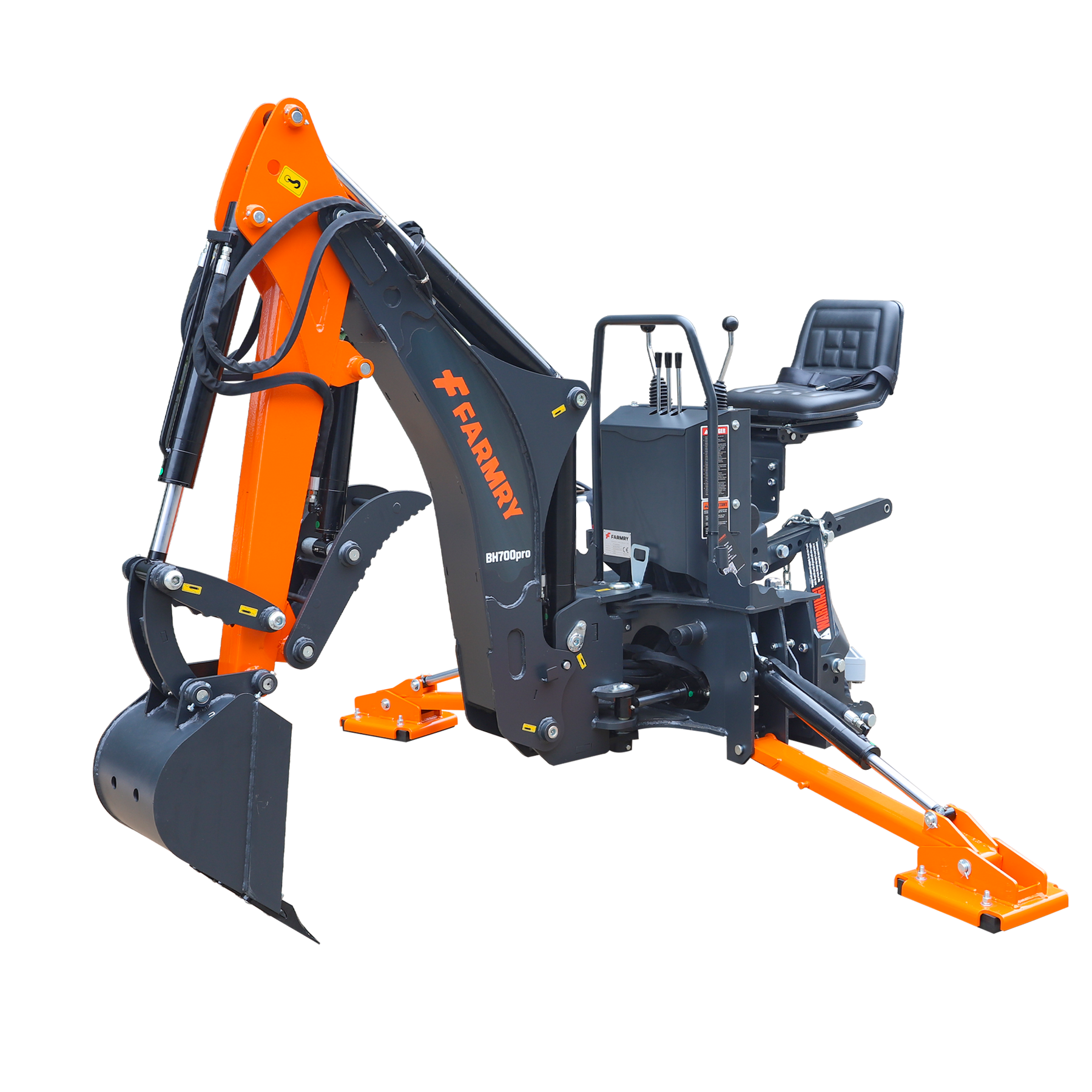
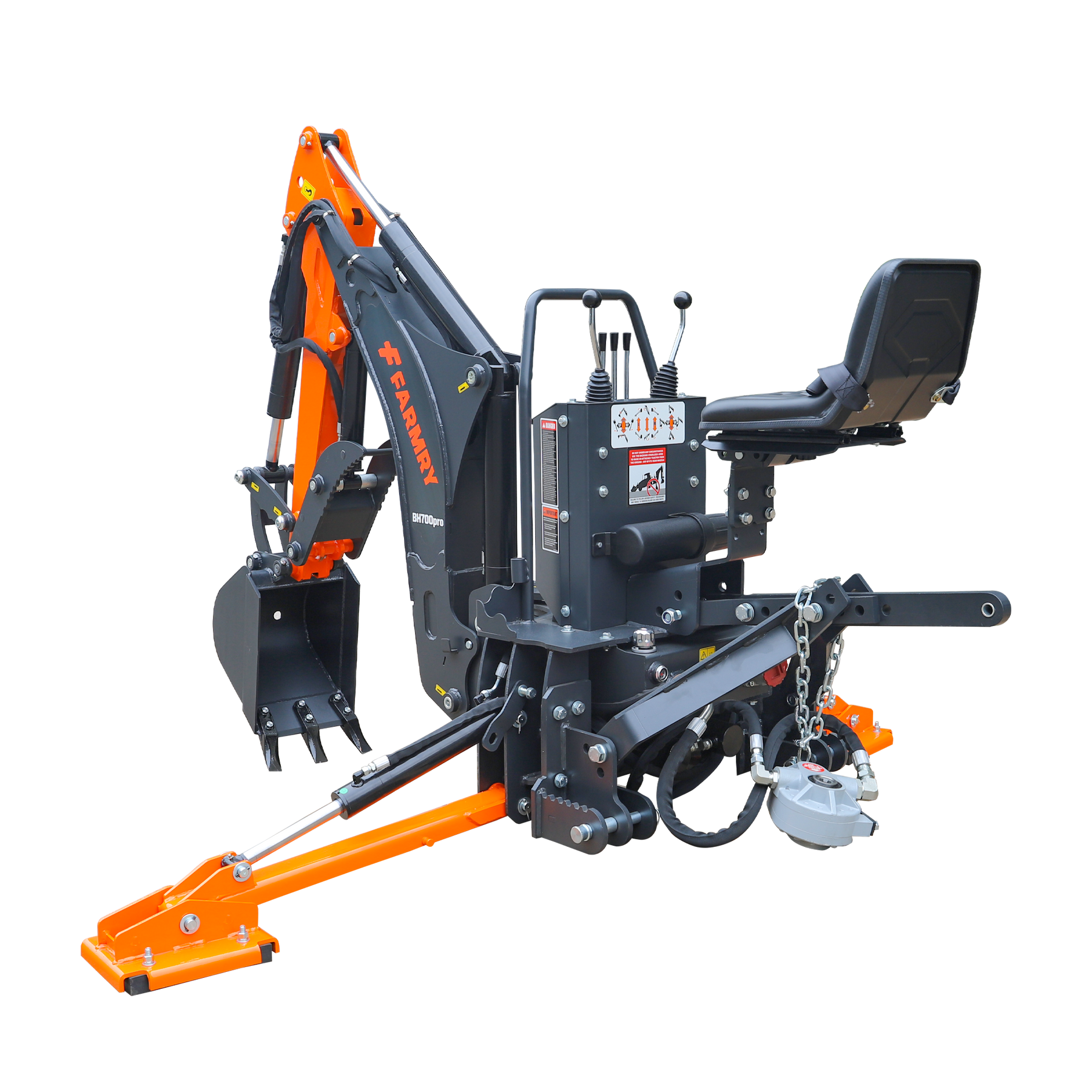
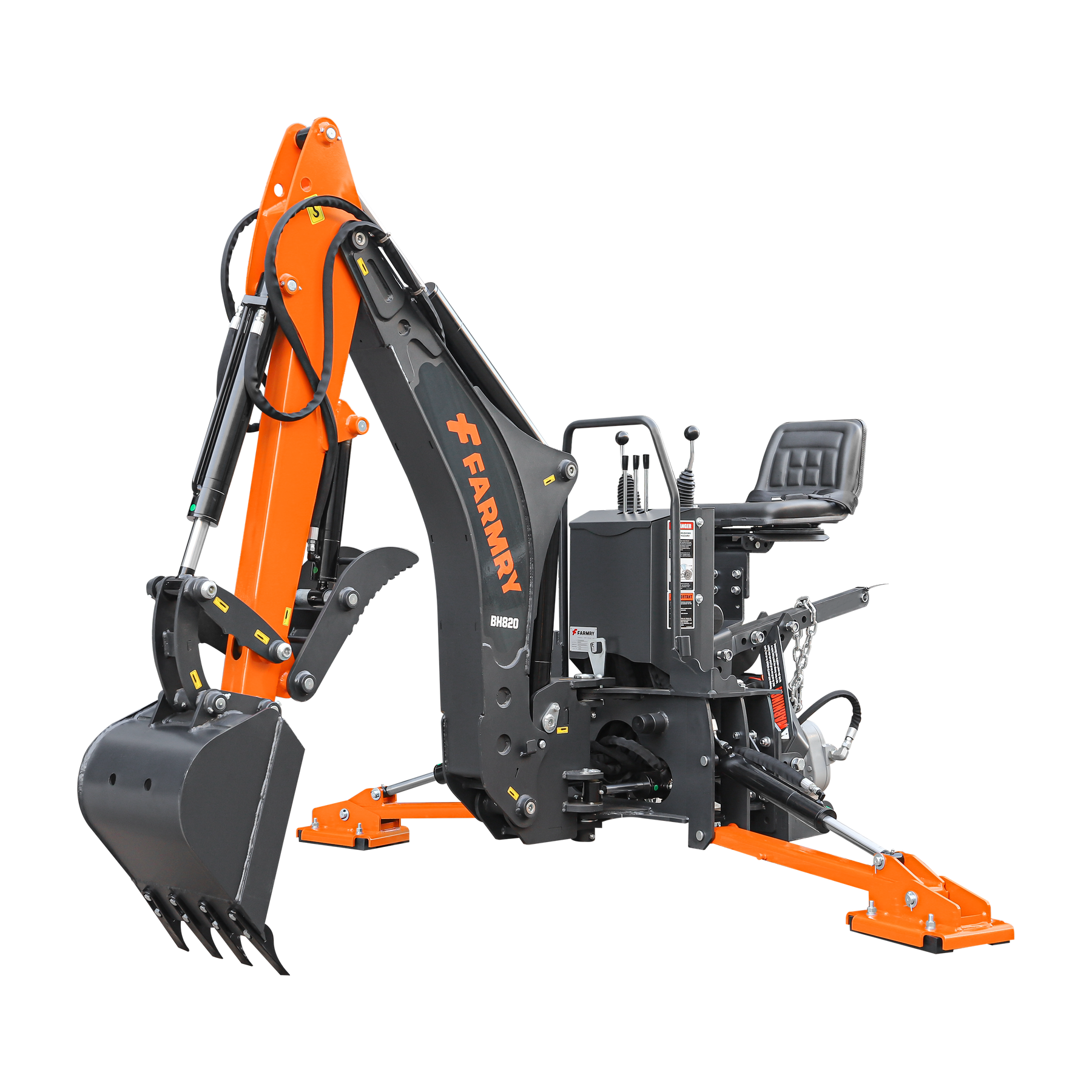
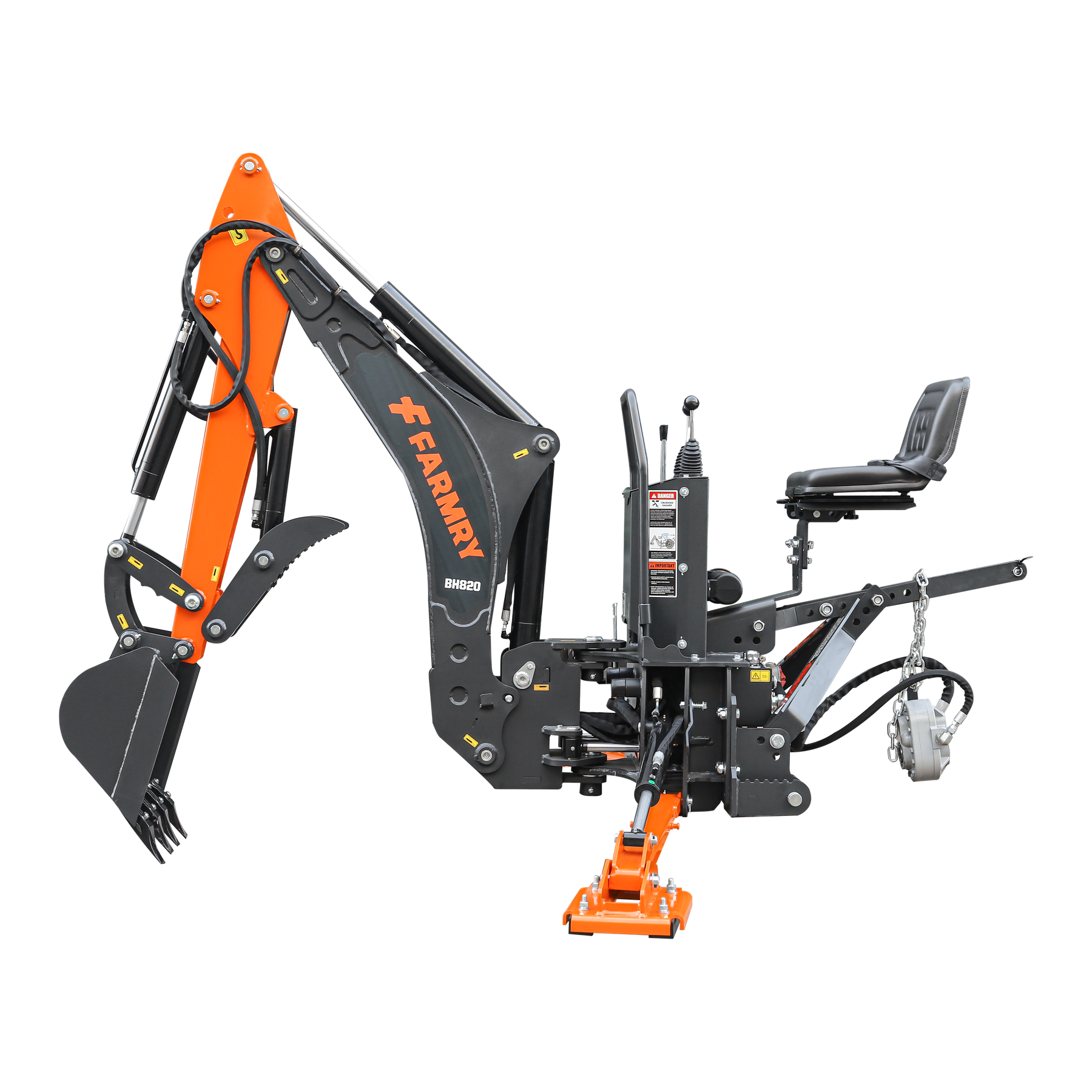
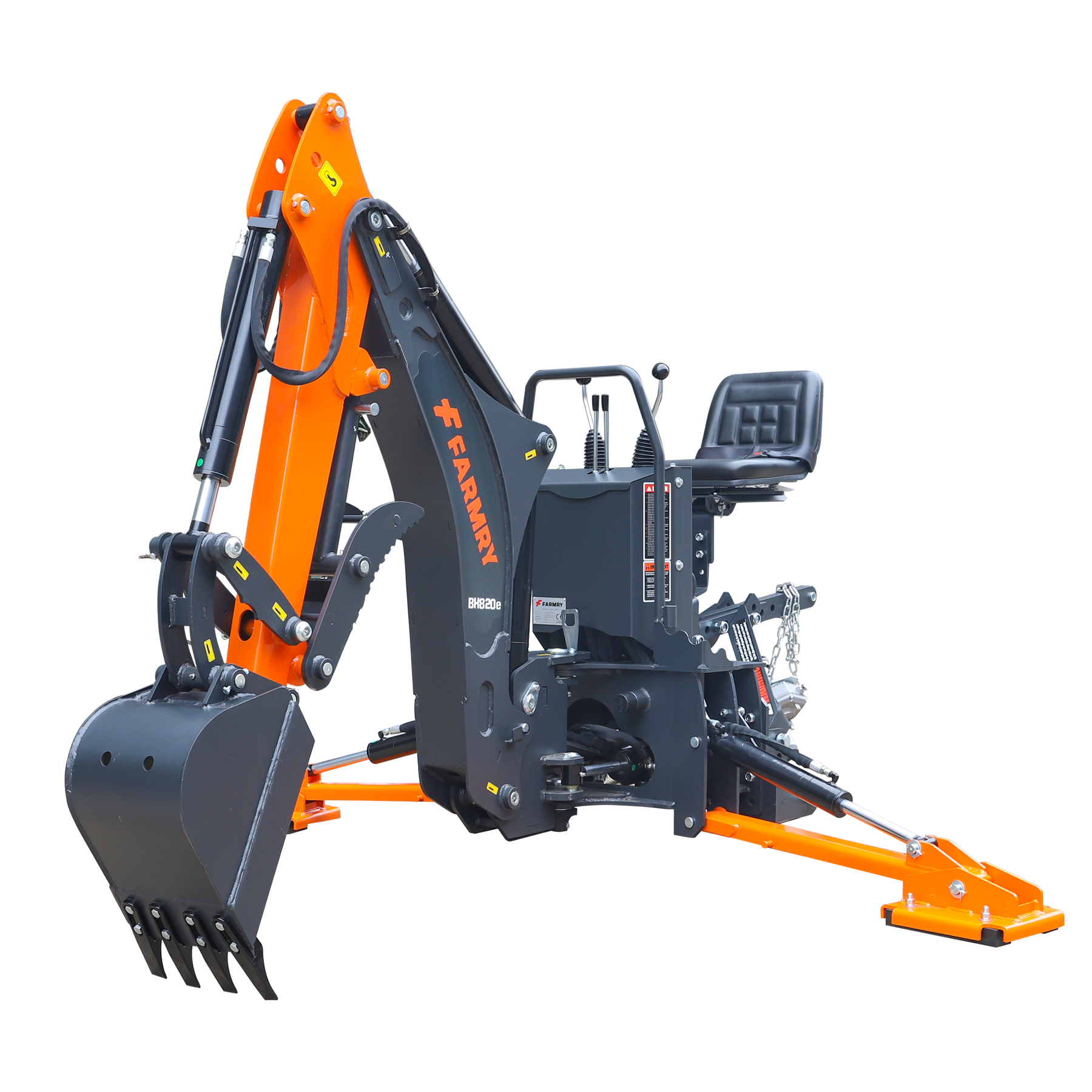
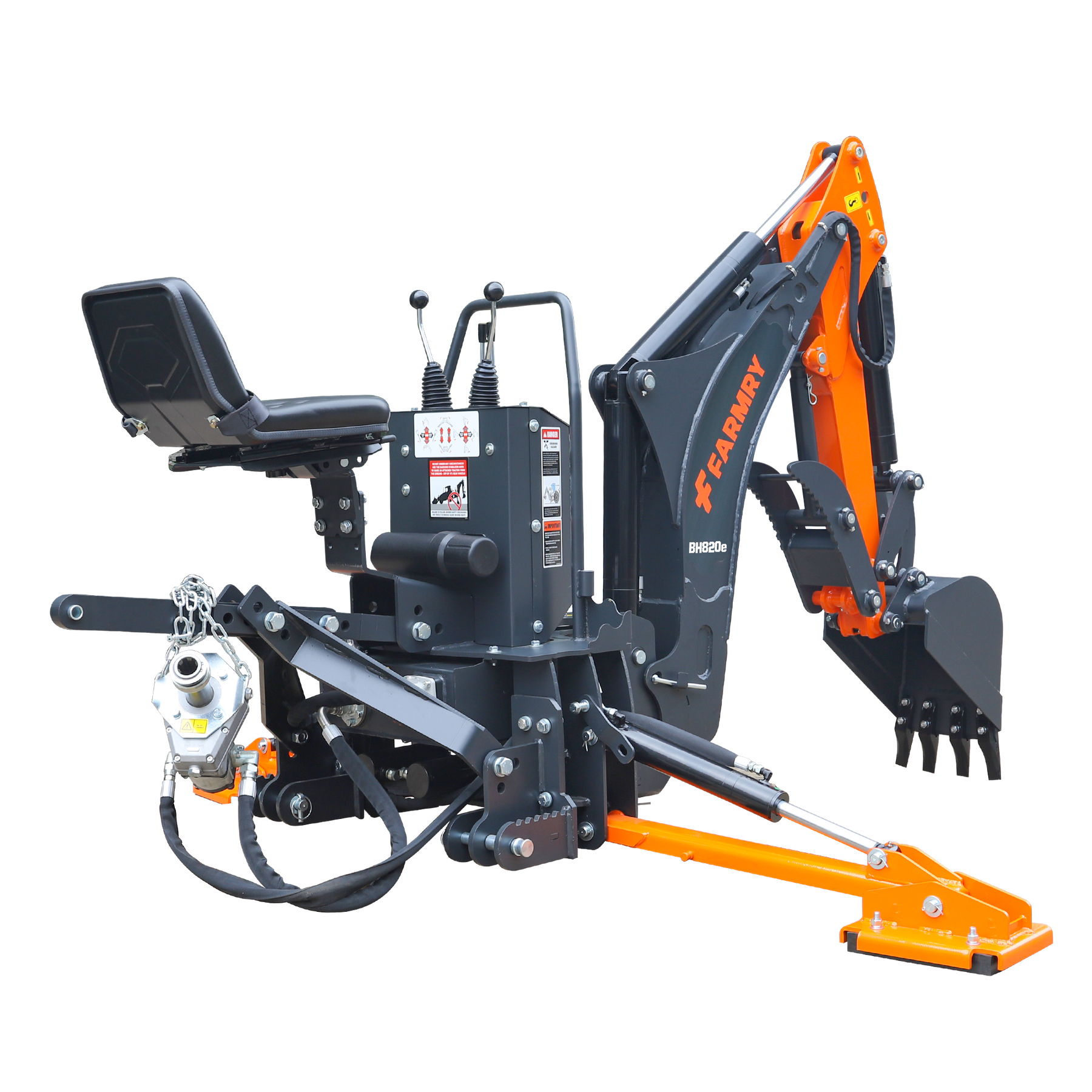
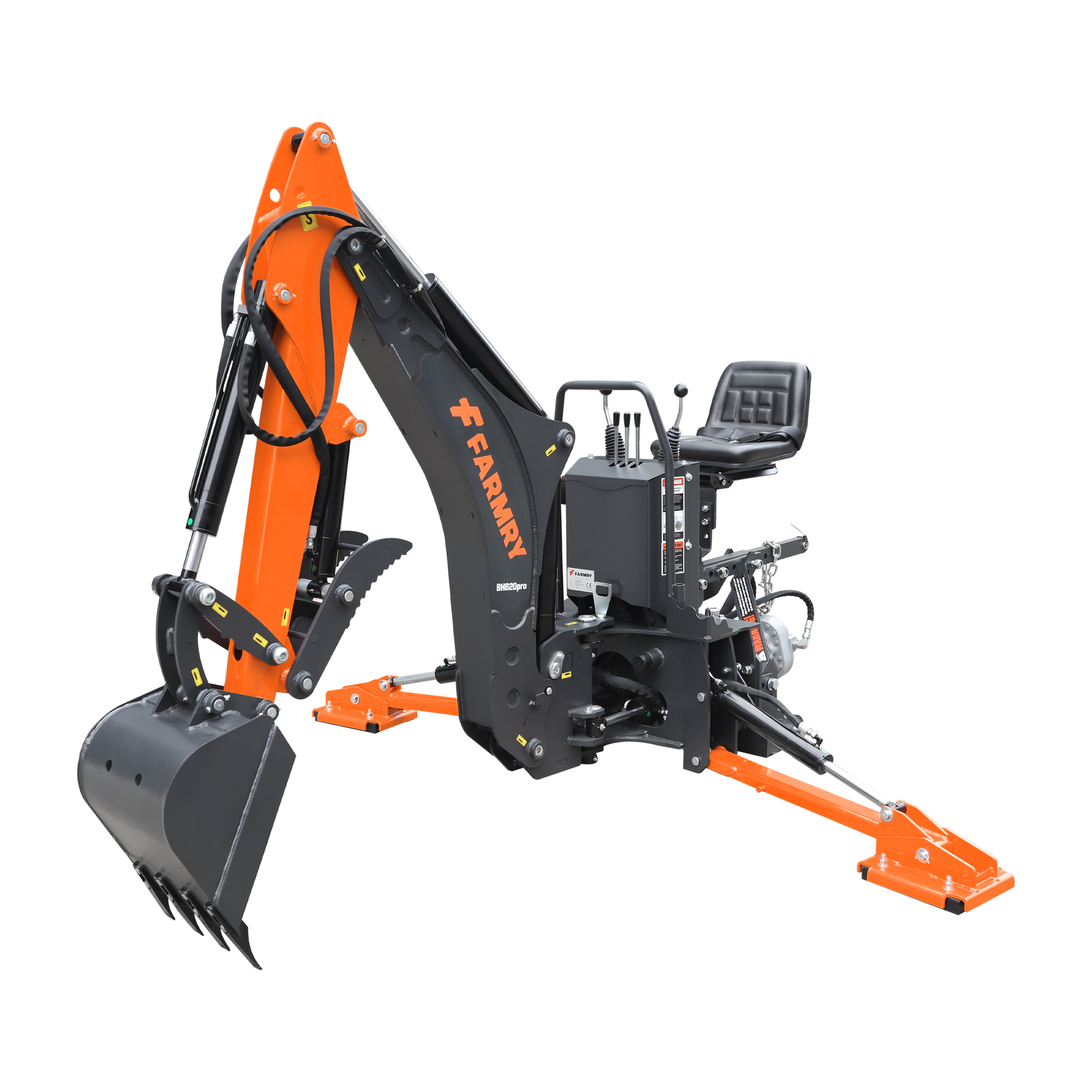
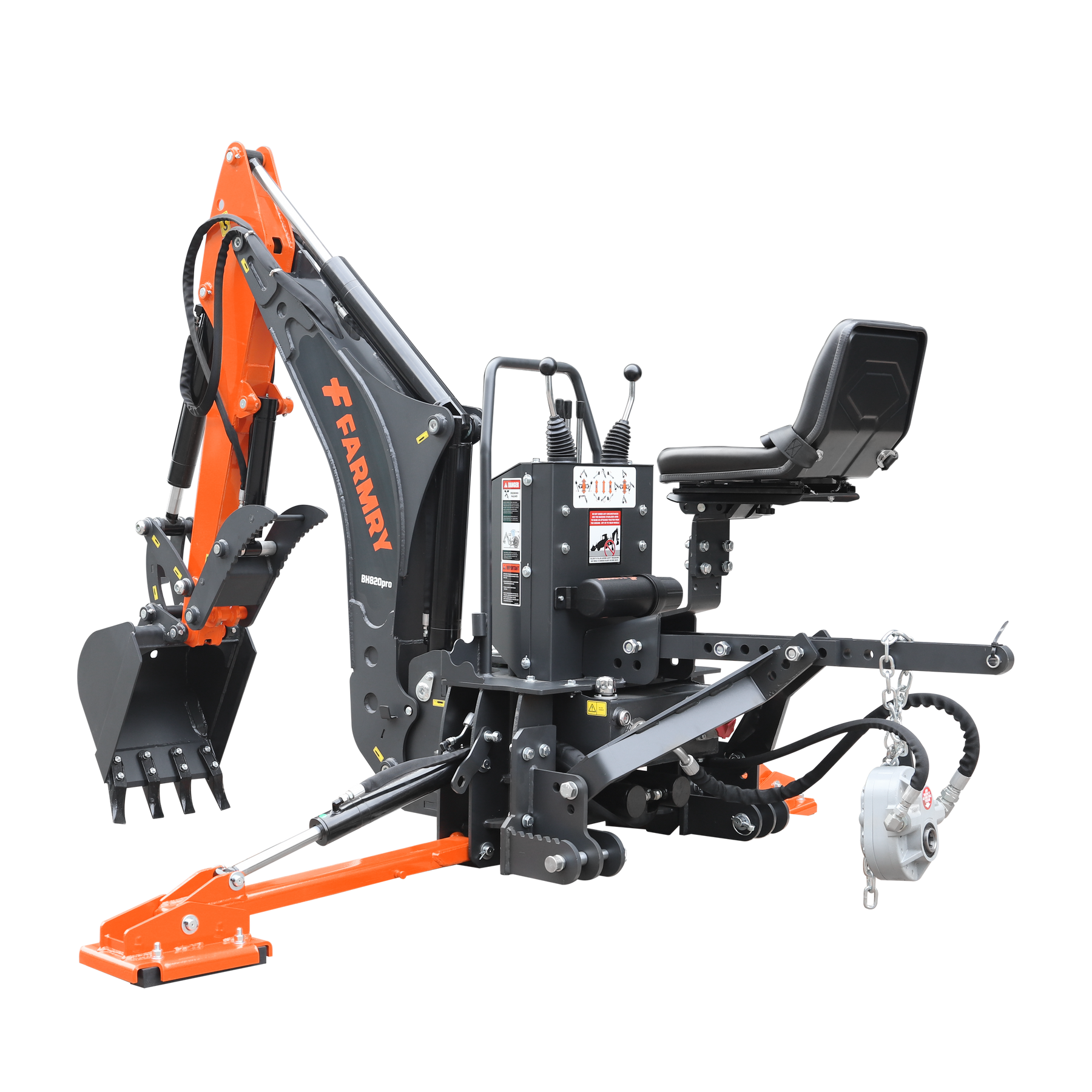
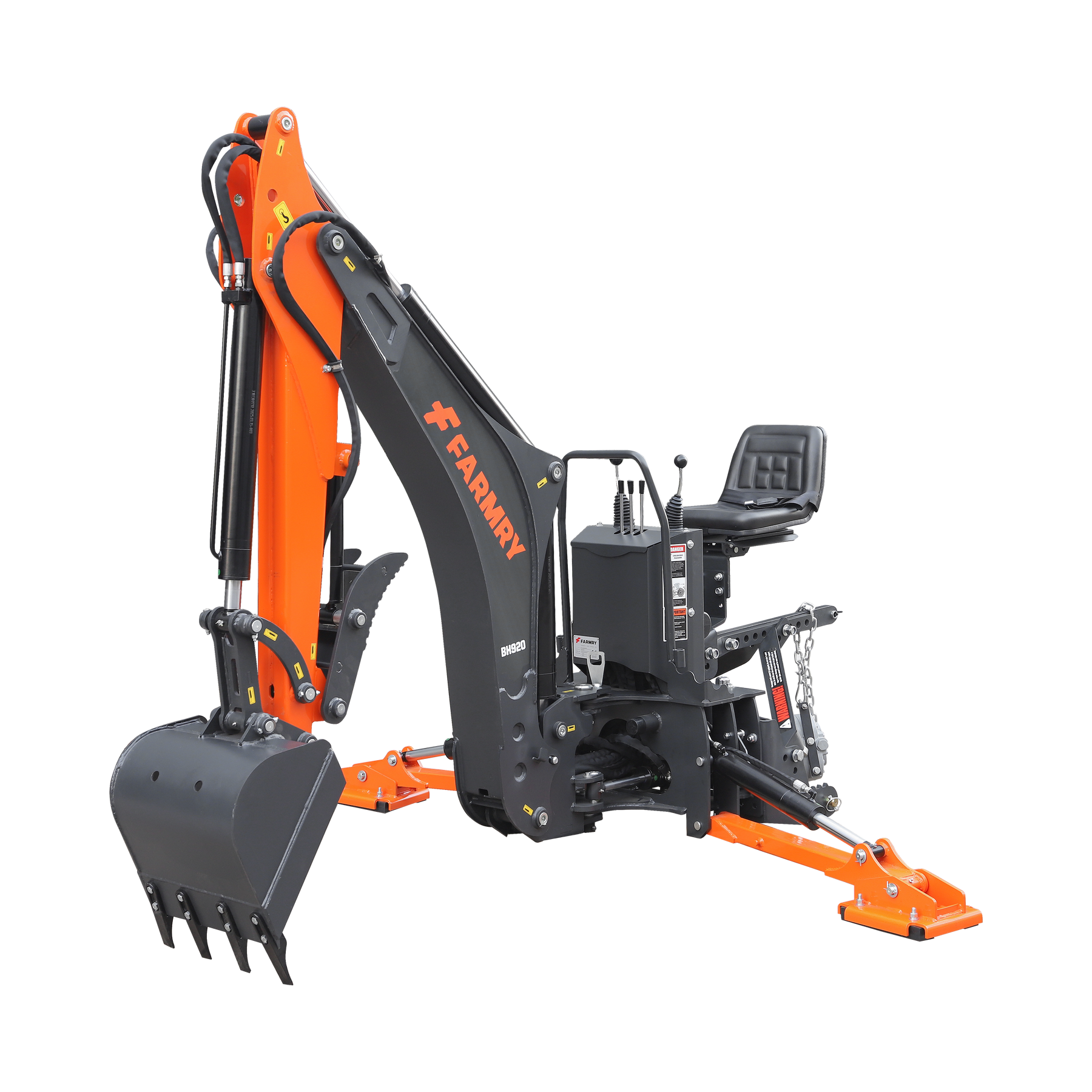
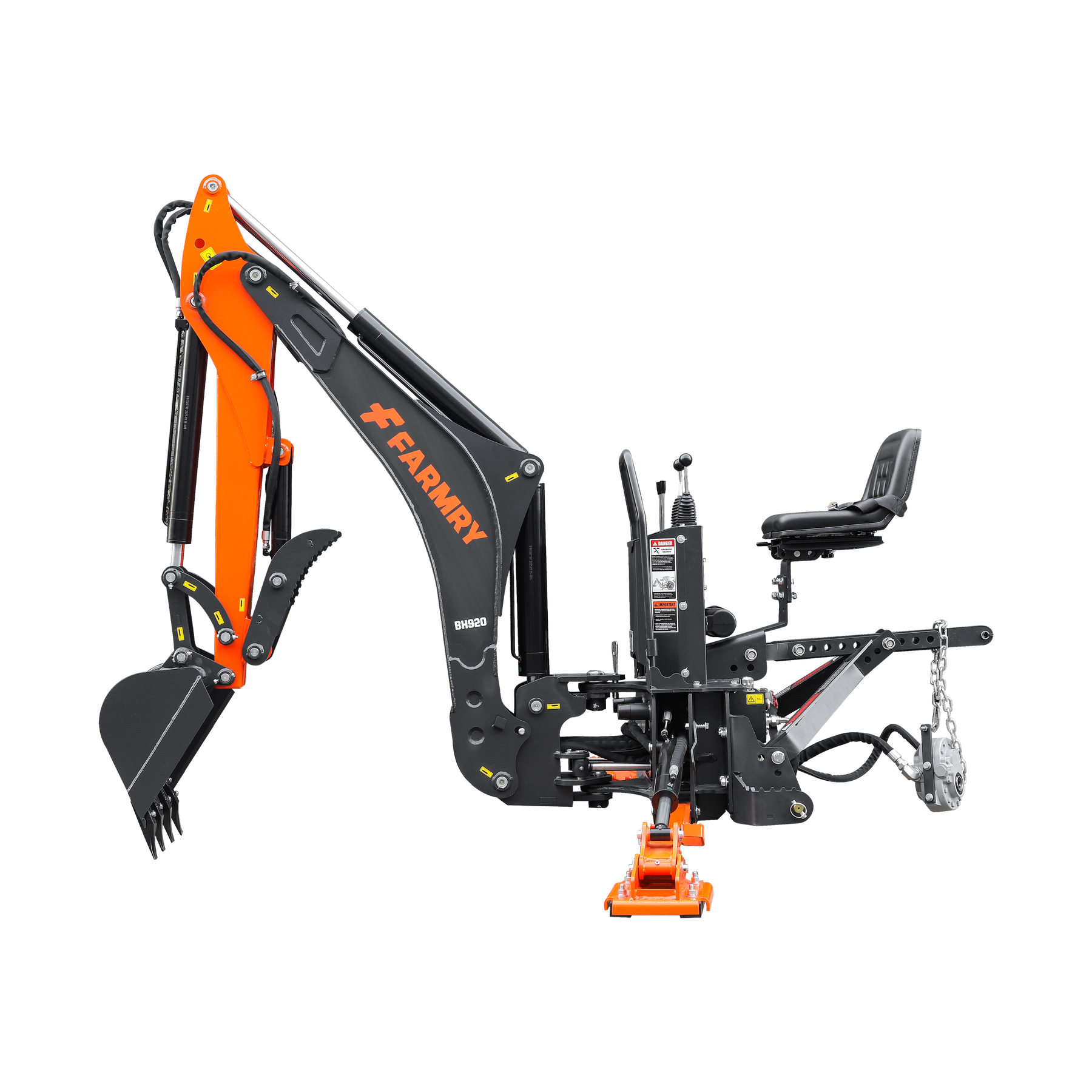
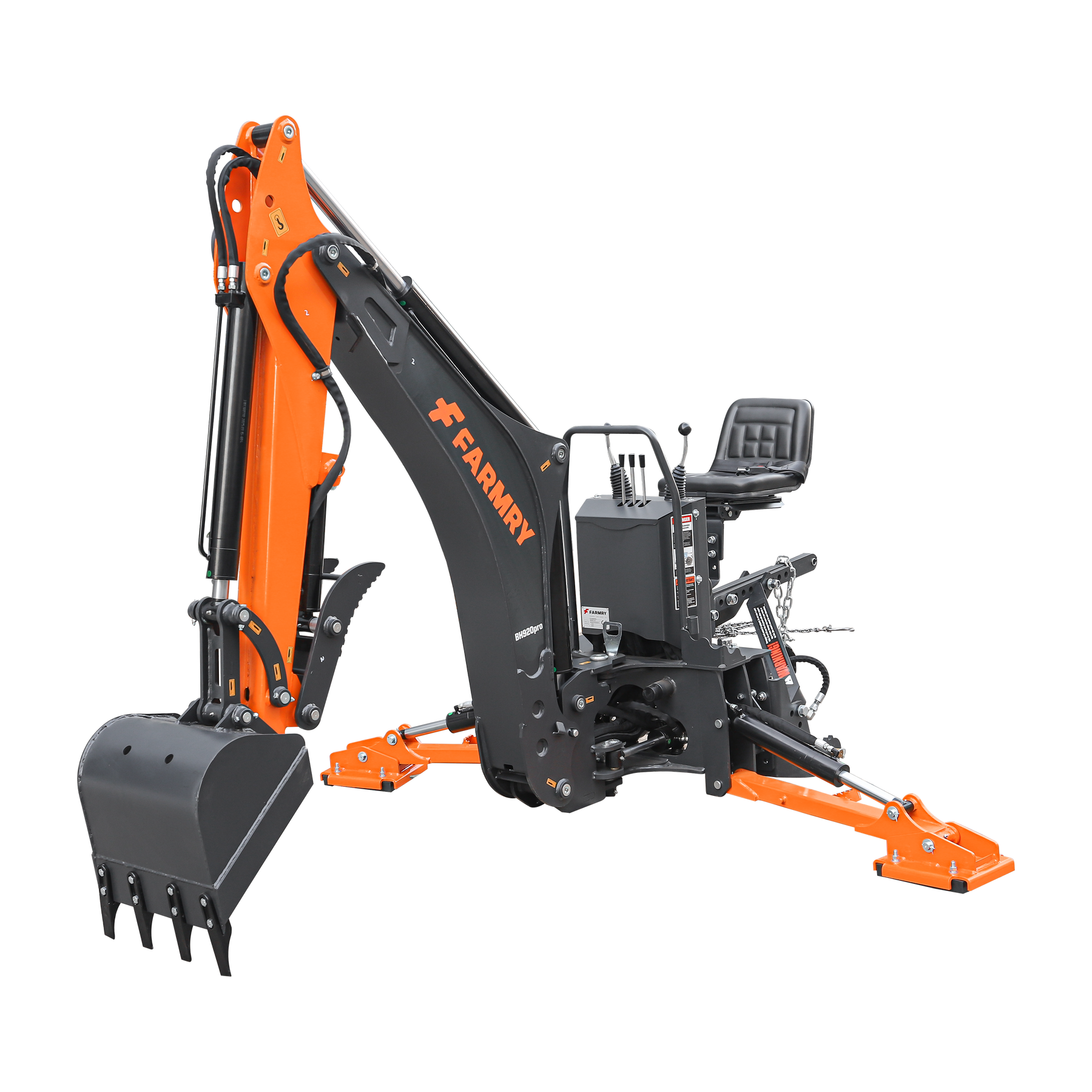
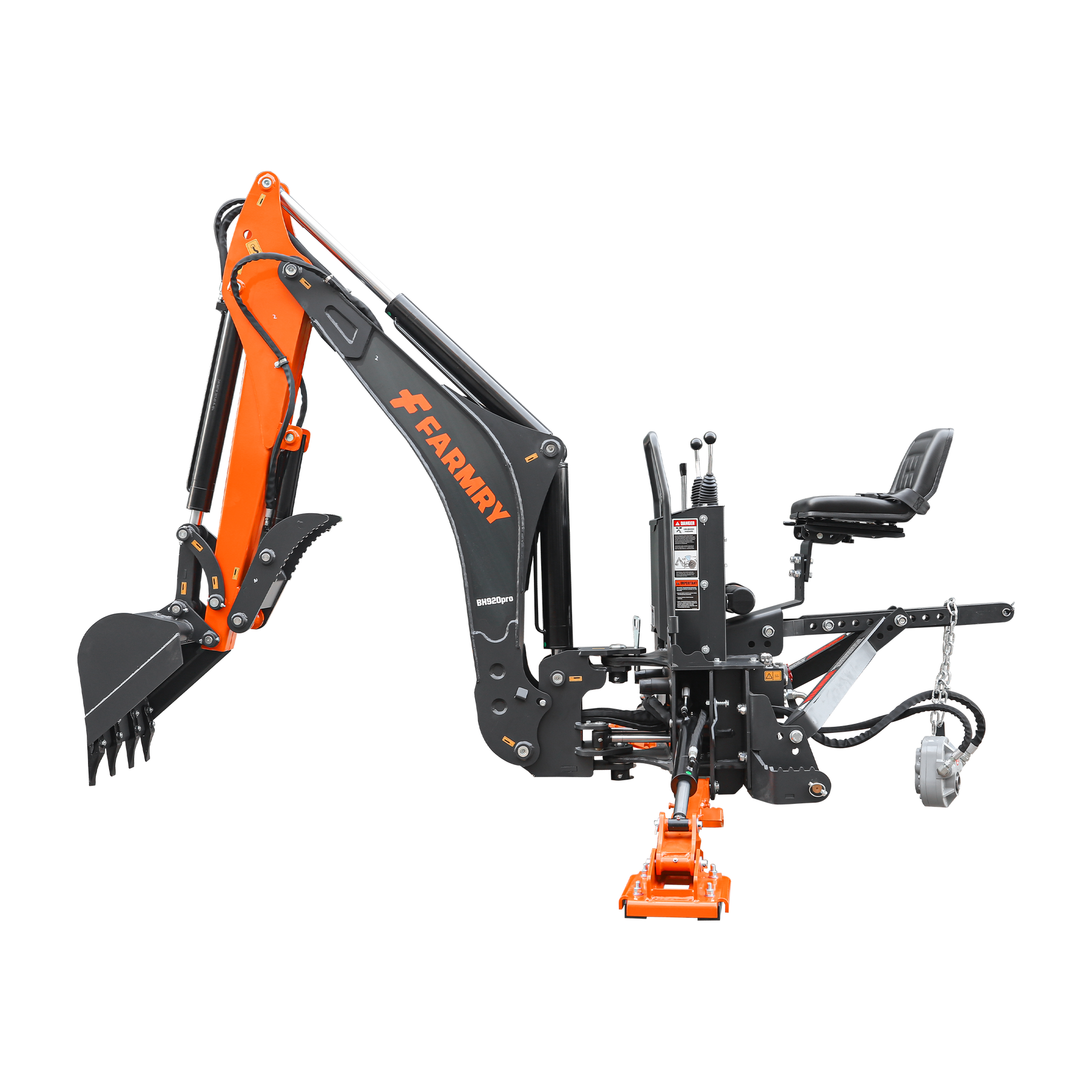
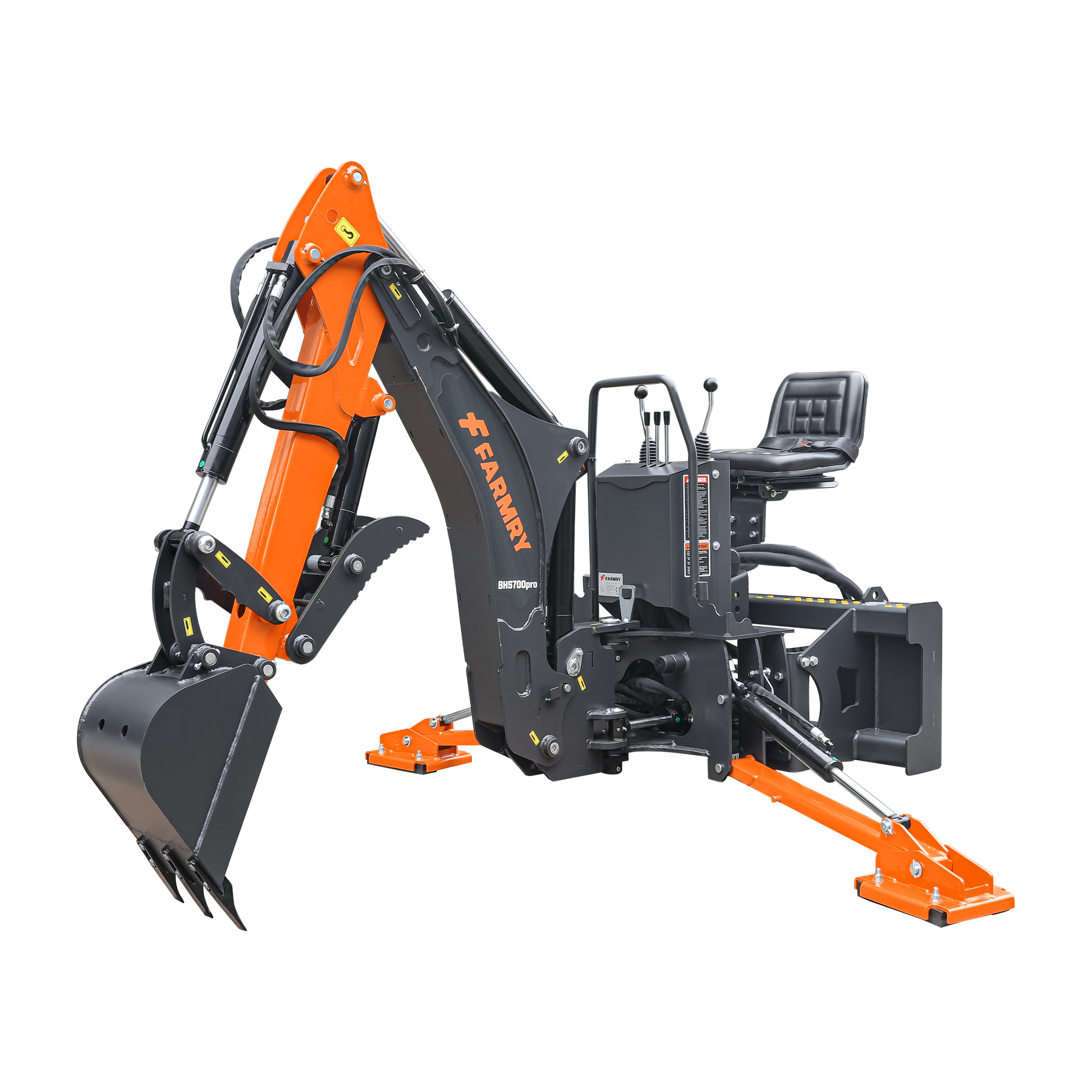
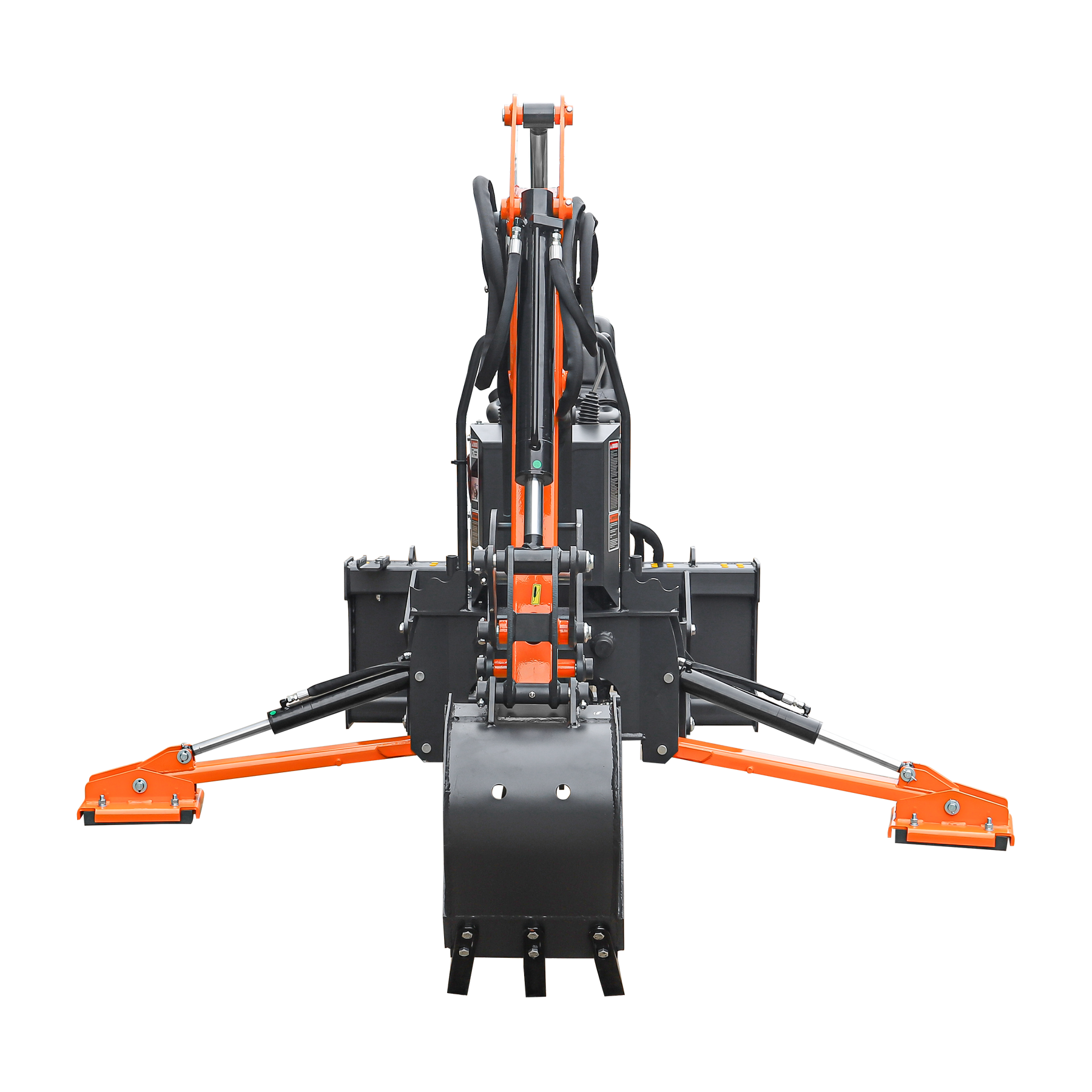
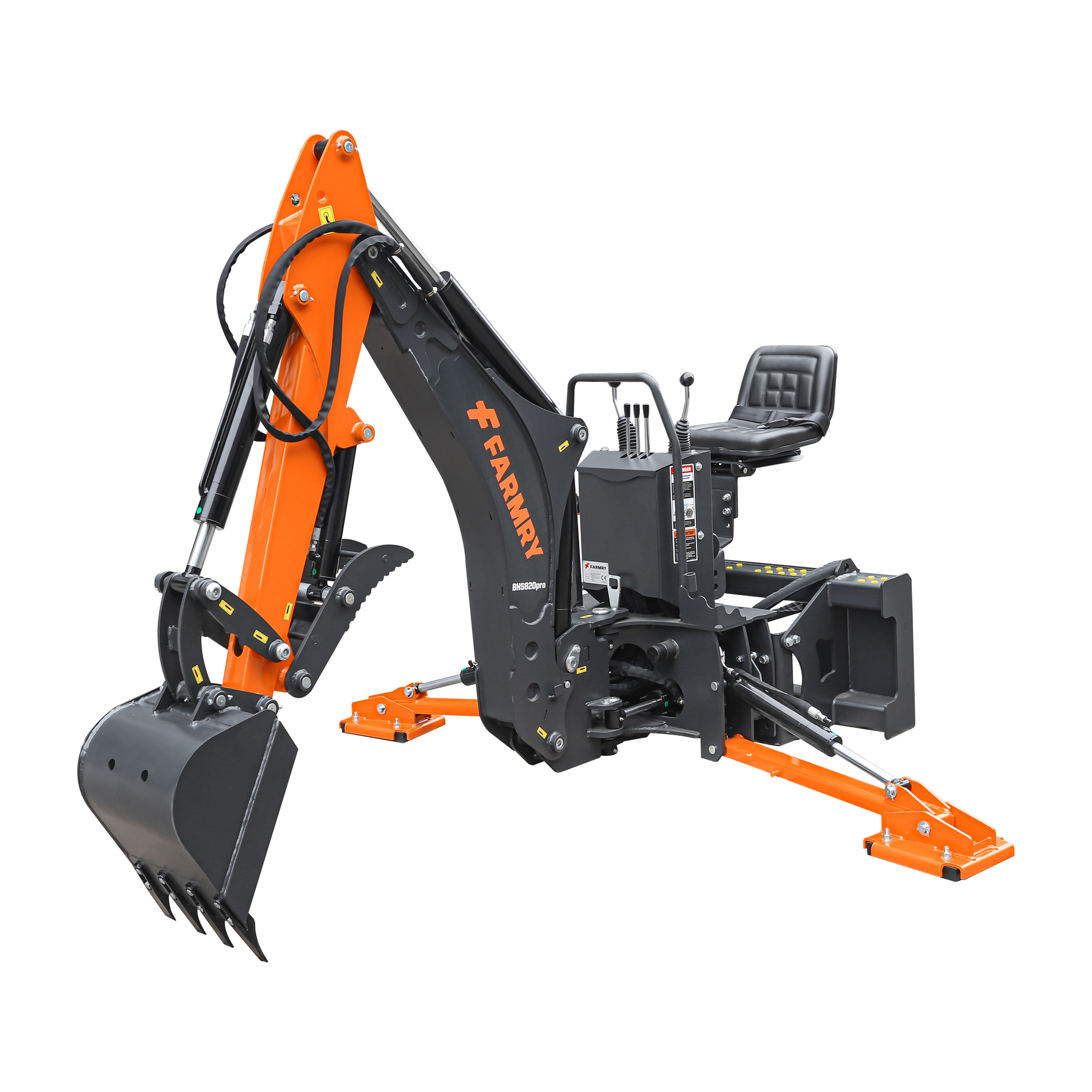
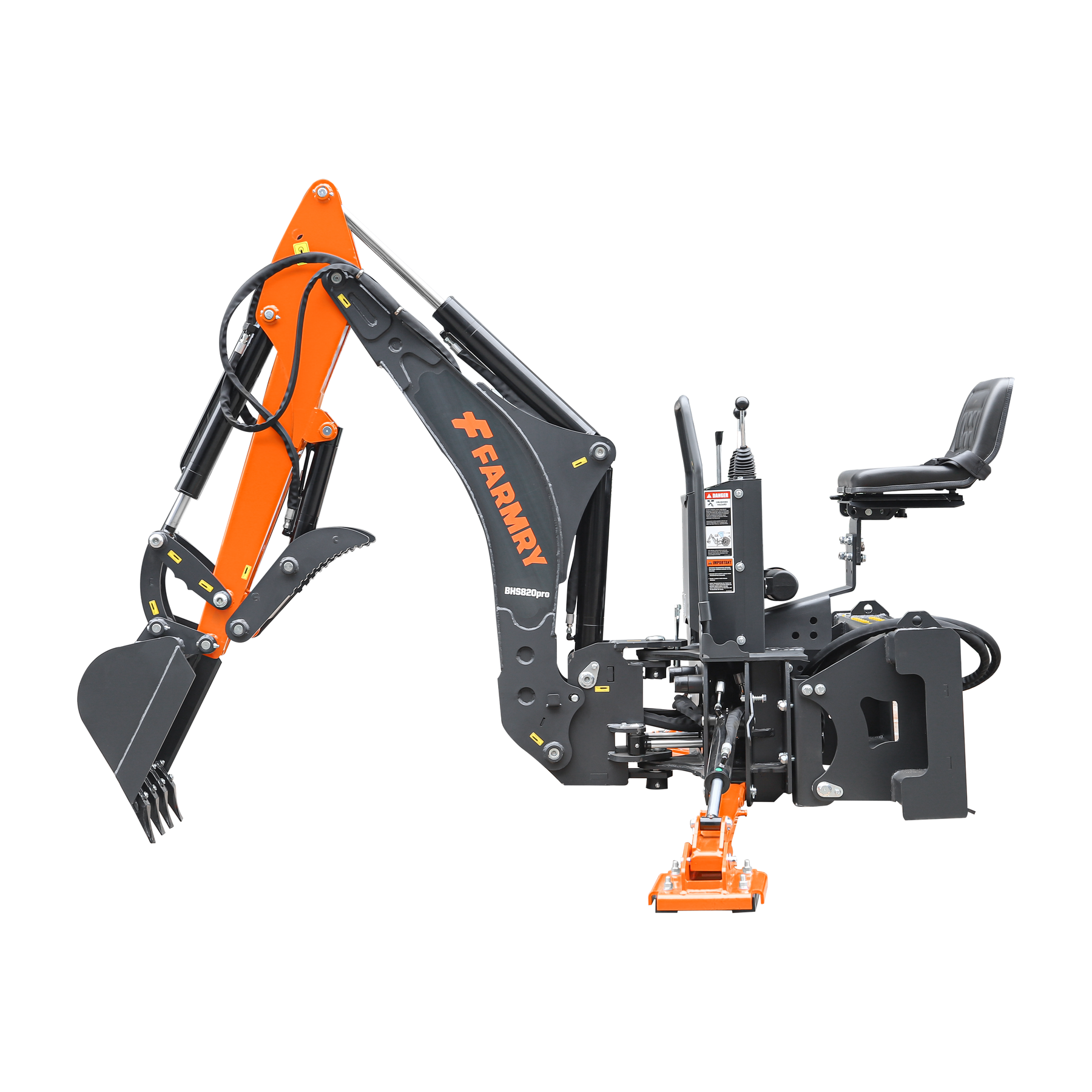
A backhoe is essential equipment for digging, trenching, and back filling across farms, large properties, and light construction job sites. On this page, buyers may be comparing dedicated backhoe loaders with a backhoe attachment that adds digging capability to an existing tractor. For many users, an attachment is a more cost effective way to handle drainage, utility installation, landscaping, and general property improvement without moving up to a separate machine. The right backhoe setup helps match your tractor, workload, and working conditions while giving you the flexibility to take on many applications more efficiently.
Common Backhoe Applications and Why Buyers Compare Options
This backhoe category supports a wide variety of applications, including trench work, drainage installation, planting, light excavation, and landscaping. A backhoe attachment is often the ideal option for owners who want to expand the capability of their tractor while still working effectively in tight spaces. Different models are designed for different tasks, with key differences in digging depth, bucket size, overall weight, and daily workload capacity. Whether you are maintaining a property, improving land, or supporting recurring field work, choosing the right equipment starts with understanding how the machine will be used and what level of performance is required.
How to Choose the Right Backhoe or Backhoe Attachment
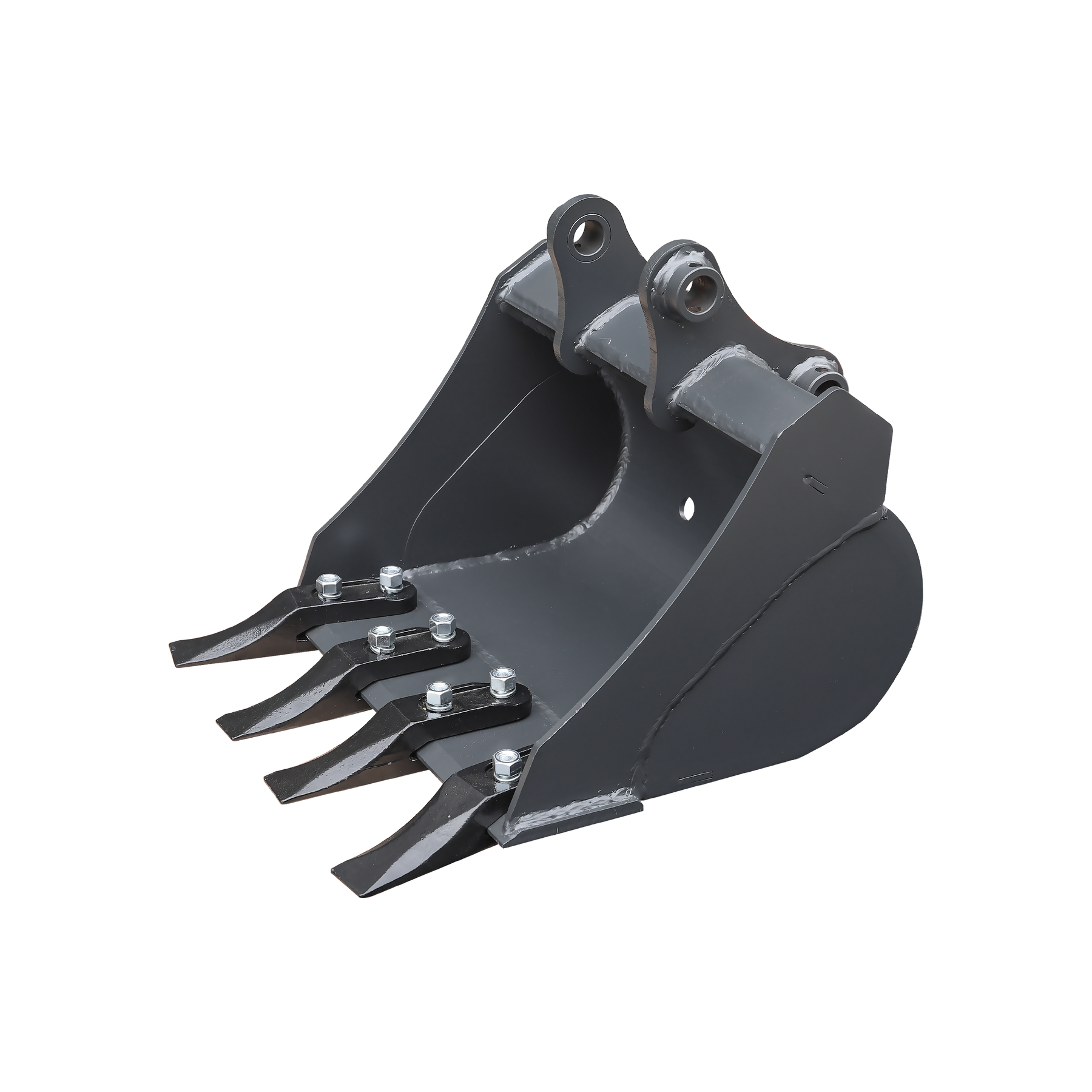
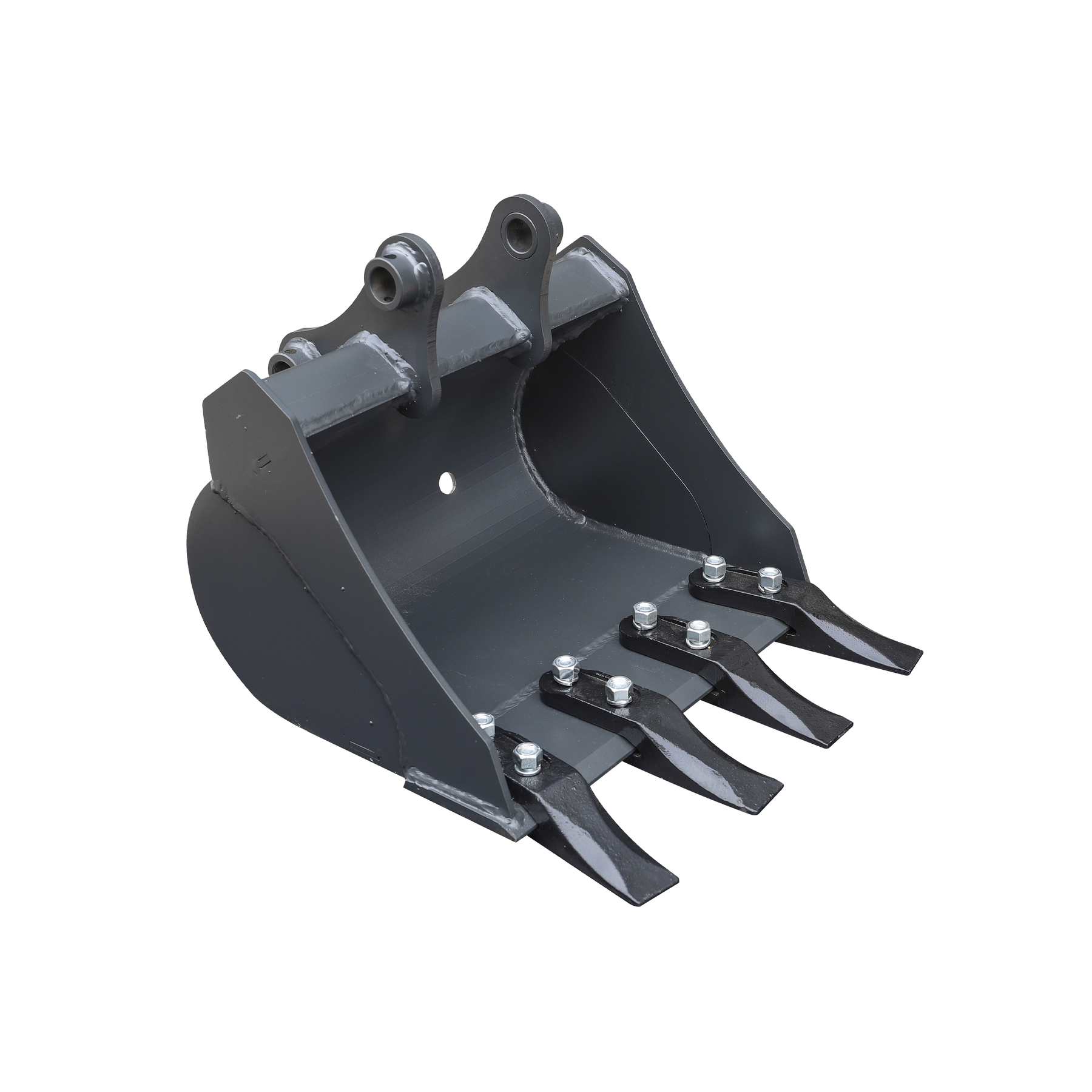
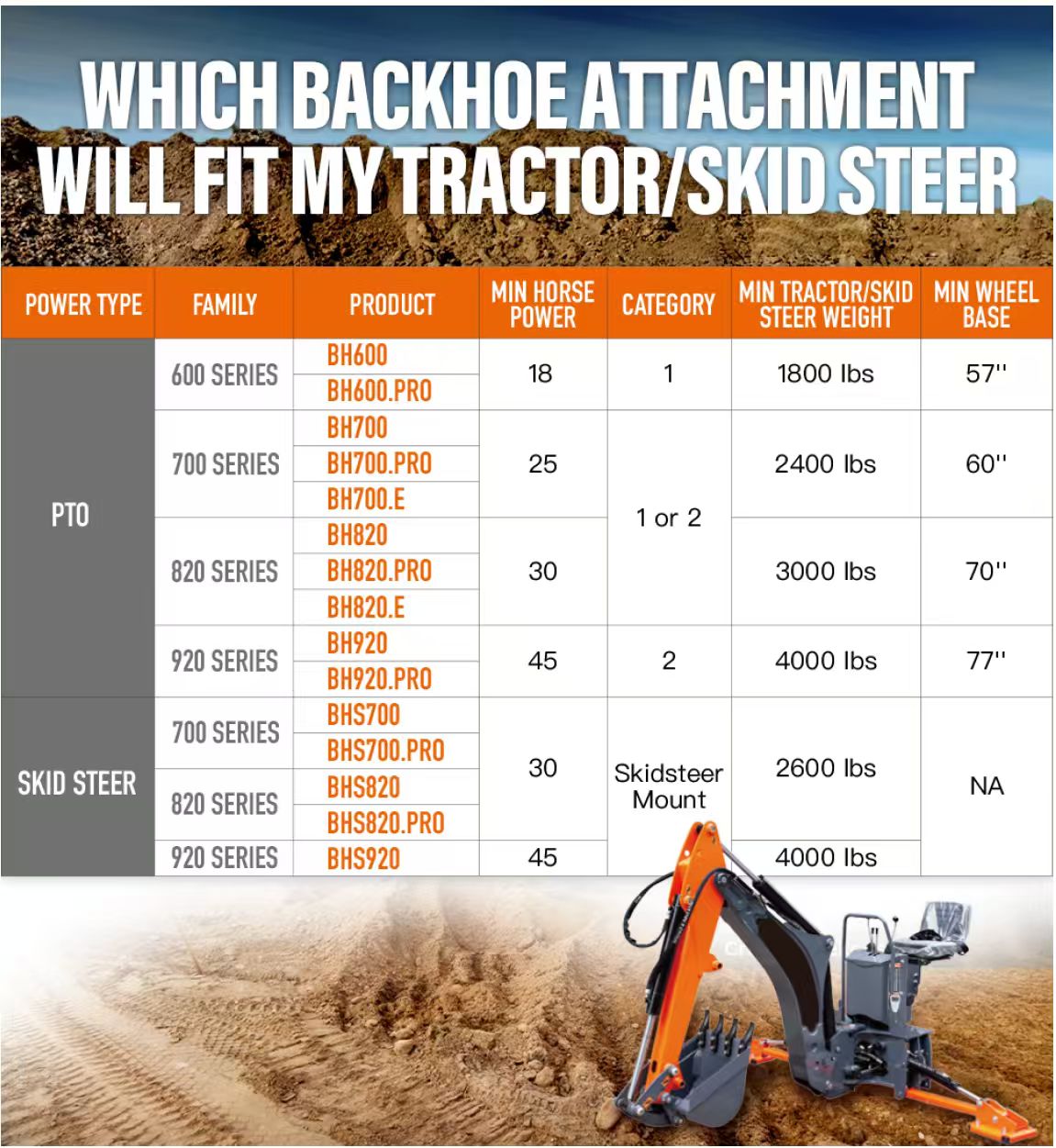
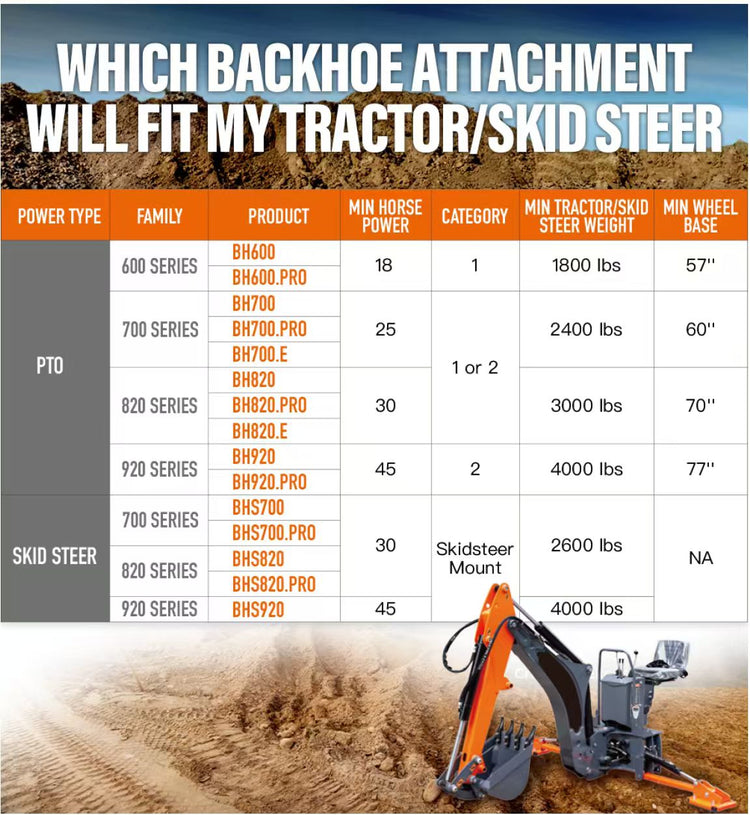
When choosing a backhoe or backhoe attachment, start with compatibility. Check whether the unit is compatible with your tractor, expected workload, and required digging depth. Buyers should also compare bucket options, frame size, weight, and overall build quality to ensure the model is a strong match for the job. Most attachment systems rely on the tractor's hydraulic system, so it is important to review mounting requirements, hydraulic lines, and any setup considerations before purchasing. Looking at installation needs, long-term maintenance, and basic safety precautions can also help you choose the right solution for reliable day-to-day work.
Backhoe Pre-Sale Technical FAQs & Compatibility Guide
What is the best backhoe for me?
What is the best backhoe for me?
• First, confirm your tractor’s horsepower range, then select a backhoe model that aligns with this specification to ensure optimal compatibility and performance.
• If your budget permits, we recommend the PRO-series backhoe—it delivers enhanced operability and advanced functionality that elevate overall work efficiency.
• For those with budget constraints, Farmry also offers essential models that still fully fulfill your basic operational requirements, balancing affordability and practicality.
What is the difference between basic and pro version?
What is the difference between basic and pro version?
• For standard models, domestic hydraulic valves are used
• For PRO-series models, imported Walvoil (Italy) hydraulic valves are adopted.
The Walvoil valves on PRO models deliver significantly better overall handling performance.
What is the main difference between BH600/700/820/920?
What is the main difference between BH600/700/820/920?
• A higher model number indicates a greater digging depth and working range.
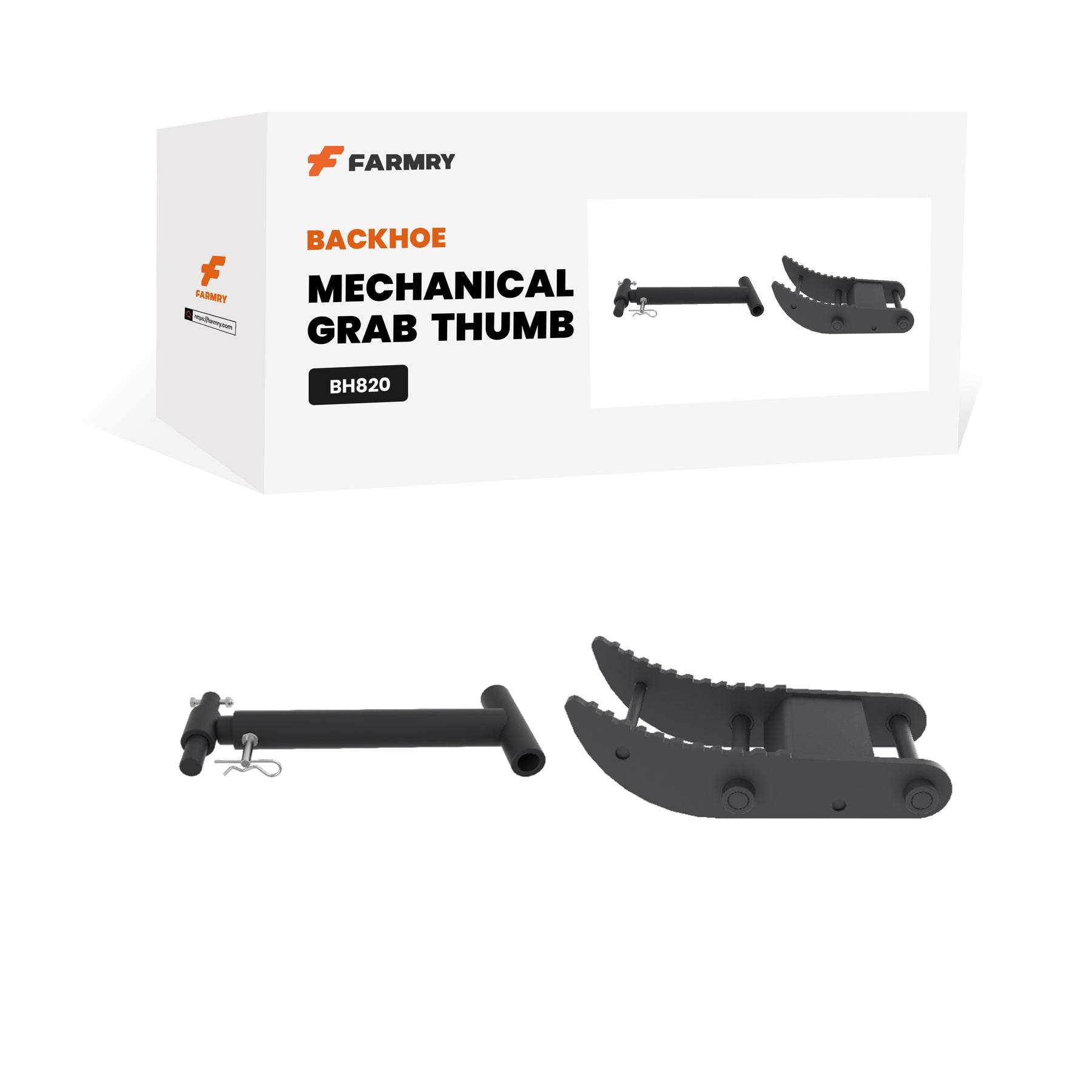
• The BH600 series does not include a log grapple, while the BH700/820/920 series are equipped with hydraulic grapple.
• The BH600/700 series feature a smaller pump displacement, whereas the BH820/920 series have a larger pump displacement.
• The BH600 series is compatible with 3-point CAT I hitches; the BH700/820 series (excluding skid steer versions) are compatible with 3-point CAT I/II hitches; the BH920 series (excluding skid steer versions) is compatible with 3-point CAT II hitches.
• For detailed information, please refer to the technical specification sheet.
What type of maintenance do backhoe required?
What type of maintenance do backhoe required?
During the product design phase, Farmry prioritized the convenience of daily maintenance. Follow these steps when performing routine maintenance checks:
• Grease the pivot points.
• Inspect all fastening bolts for looseness.
• Check for hydraulic fluid leaks in the hydraulic lines.
• Verify the hydraulic oil level in the reservoir.
• Inspect the hitch linkages for looseness or deformation.
• Ensure the PTO pump connection is secure, and check for chain or latch failure.
• Confirm no safety decals are missing.
Your user manual contains detailed instructions for each step. Adhering to the manual’s guidelines will ensure your equipment operates reliably and has an extended service life.
Does backhoe come assembled? And if not, how long does assembly take?
Does backhoe come assembled? And if not, how long does assembly take?
The product you receive will not be fully assembled. We provide detailed images and videos for guidance, and you may also refer to the product manual during installation. For any questions, please contact our after-sales support team for assistance.
What is the required PTO speed for tractor powder backhoe?
What is the required PTO speed for tractor powder backhoe?
The tractor must have a 1-3/8", 6-spline PTO shaft to fit the pump drive coupler, and the tractor cannot operate at any speed other than 540 rpm.
It is not recommended that tractors with a variable speed PTO be used with the backhoe. Operating at speeds higher than 540 rpm can over speed the pump and cause early failures.
How to check if the PTO extender needed or not if purchasing tractor powerer backhoe?
How to check if the PTO extender needed or not if purchasing tractor powerer backhoe?
For the backhoe models compatible with certain tractor versions (BH600, BH600 PRO, BH700, BH700 PRO, BH820, BH820 PRO, BH920, and BH920 PRO), interference may occur during installation between the PTO pump and the tractor, preventing full engagement with the tractor’s PTO shaft (see left figure below).
When purchasing the above models, please pay close attention to the following:
1. Ensure there is sufficient clearance around your tractor’s PTO shaft (as shown in the right figure below, with a dimension of 7-3/4").


2. Please refer to the following dimensional specifications of the PTO pump to verify compatibility with the PTO shaft area on the rear of your tractor.


3. The PTO pump cannot be installed if any components are located within the shaded area of the pulley pump (dimensions: 160×224 mm / 6.3×8.8 inches) when mounting to the tractor’s PTO shaft area.
If insufficient clearance exists due to the above conditions, a PTO driveline extender will be required.(see above right picture)
This can be purchased on the Farmry website or at most agricultural equipment dealers.
FAQs
What is a backhoe used for?
What is a backhoe used for?
A backhoe is used for trenching, digging, lifting, and back filling in a wide range of property, farm, and construction tasks. It is commonly used for drainage work, planting, utility line installation, and light excavation. Many buyers choose a backhoe attachment when they want these capabilities without investing in a separate machine.
What is the difference between a backhoe and a backhoe attachment?
What is the difference between a backhoe and a backhoe attachment?
A backhoe can refer broadly to digging equipment, including dedicated machines such as backhoe loaders. A backhoe attachment is an add-on unit that allows a tractor to perform similar digging and trenching tasks. For many owners, the main difference comes down to machine type, upfront cost, and how often the equipment will be used.
Is a backhoe attachment a good option for tractor owners?
Is a backhoe attachment a good option for tractor owners?
Yes, a backhoe attachment can be a very cost effective option for tractor owners who need digging capability for recurring but not full-time use. It is especially useful for trench work, drainage, landscaping, and general property maintenance. The best fit depends on your tractor size, required digging depth, and workload.
How do I choose the right backhoe for my property or job site?
How do I choose the right backhoe for my property or job site?
Start by reviewing your tractor, the type of work you need to complete, and the digging depth required. Then compare models based on bucket size, weight, and compatibility. The best backhoe is one that matches your machine, operating conditions, and the type of tasks you handle most often.
What should I check before buying a backhoe attachment?
What should I check before buying a backhoe attachment?
Before buying a backhoe attachment, check compatibility with your tractor, mounting requirements, hydraulic setup, and overall equipment size. It is also important to review installation needs, maintenance requirements, and whether all key parts are included. Matching the attachment to your tractor and working conditions helps ensure smoother setup and better long-term performance.
Relevant Blogs