Select up to 3 models
you may also like
Choose Snow Removal Equipment by Surface and Snow Depth
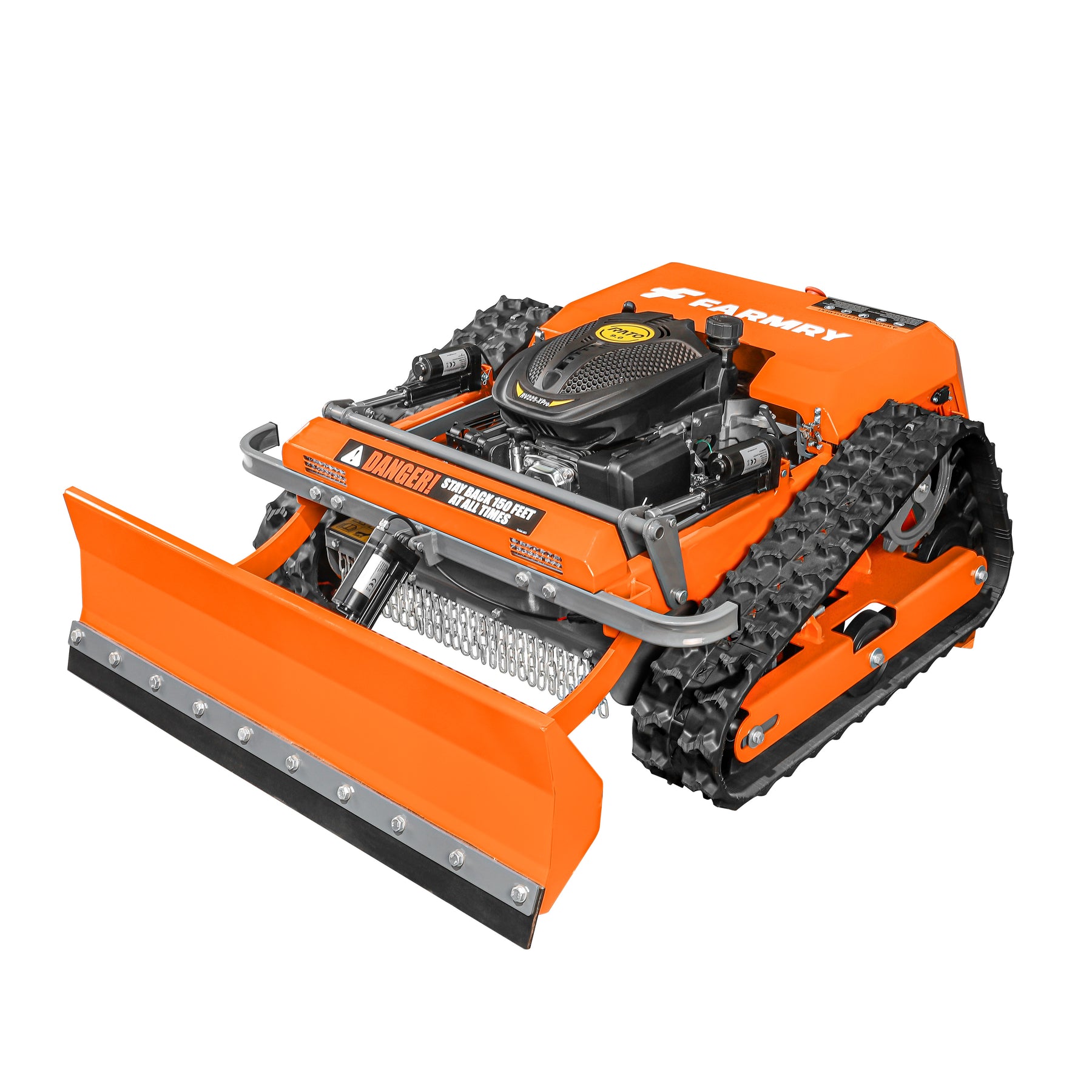
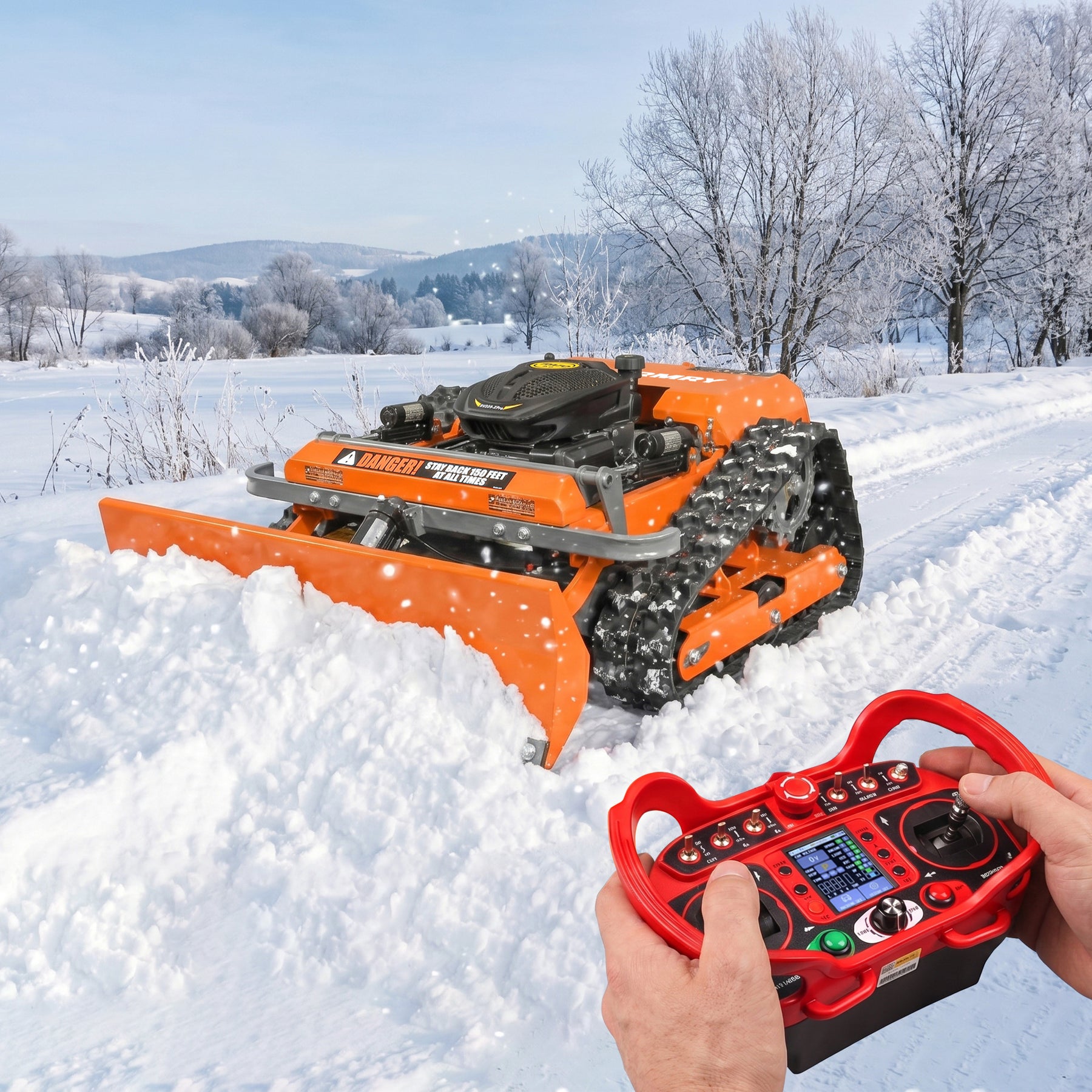
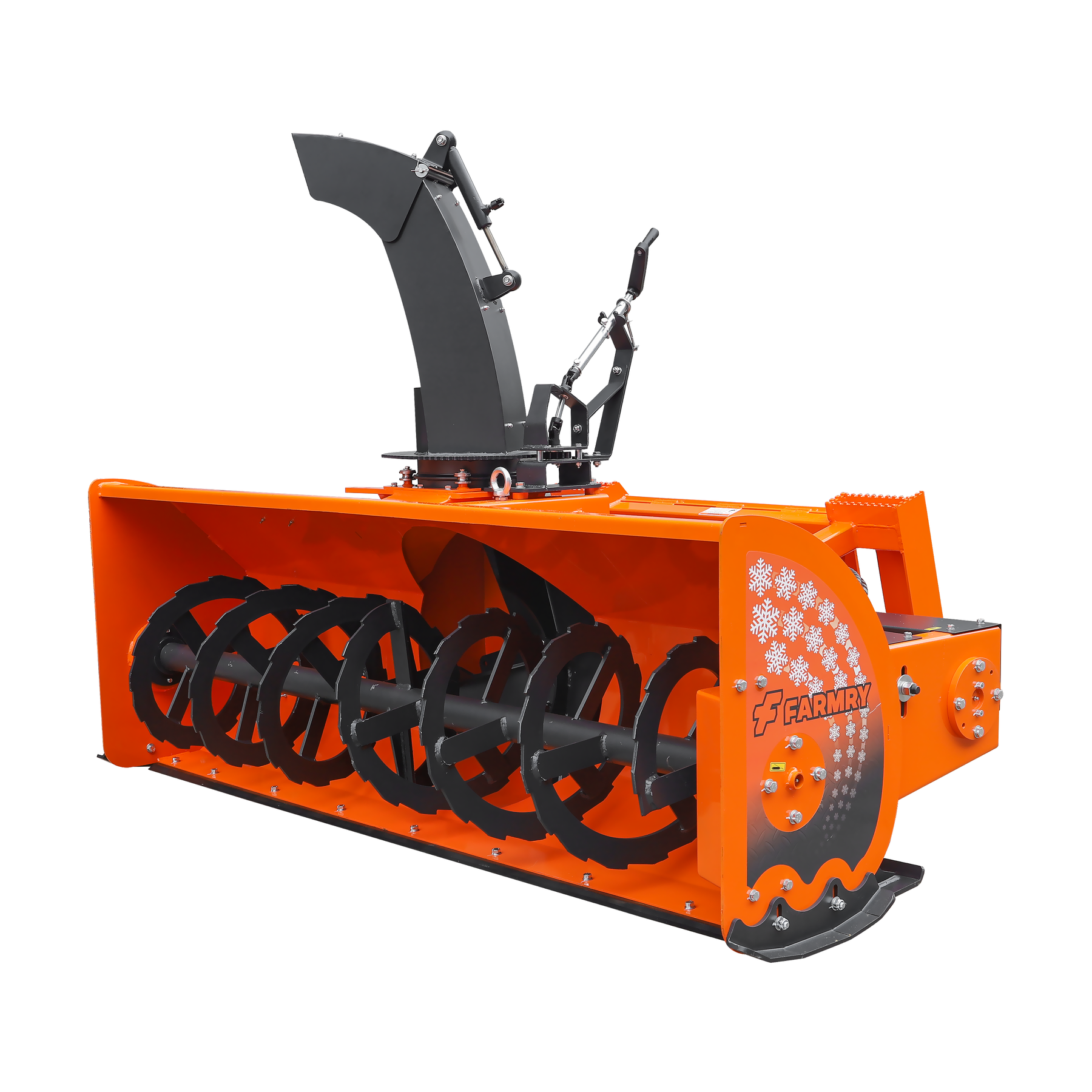
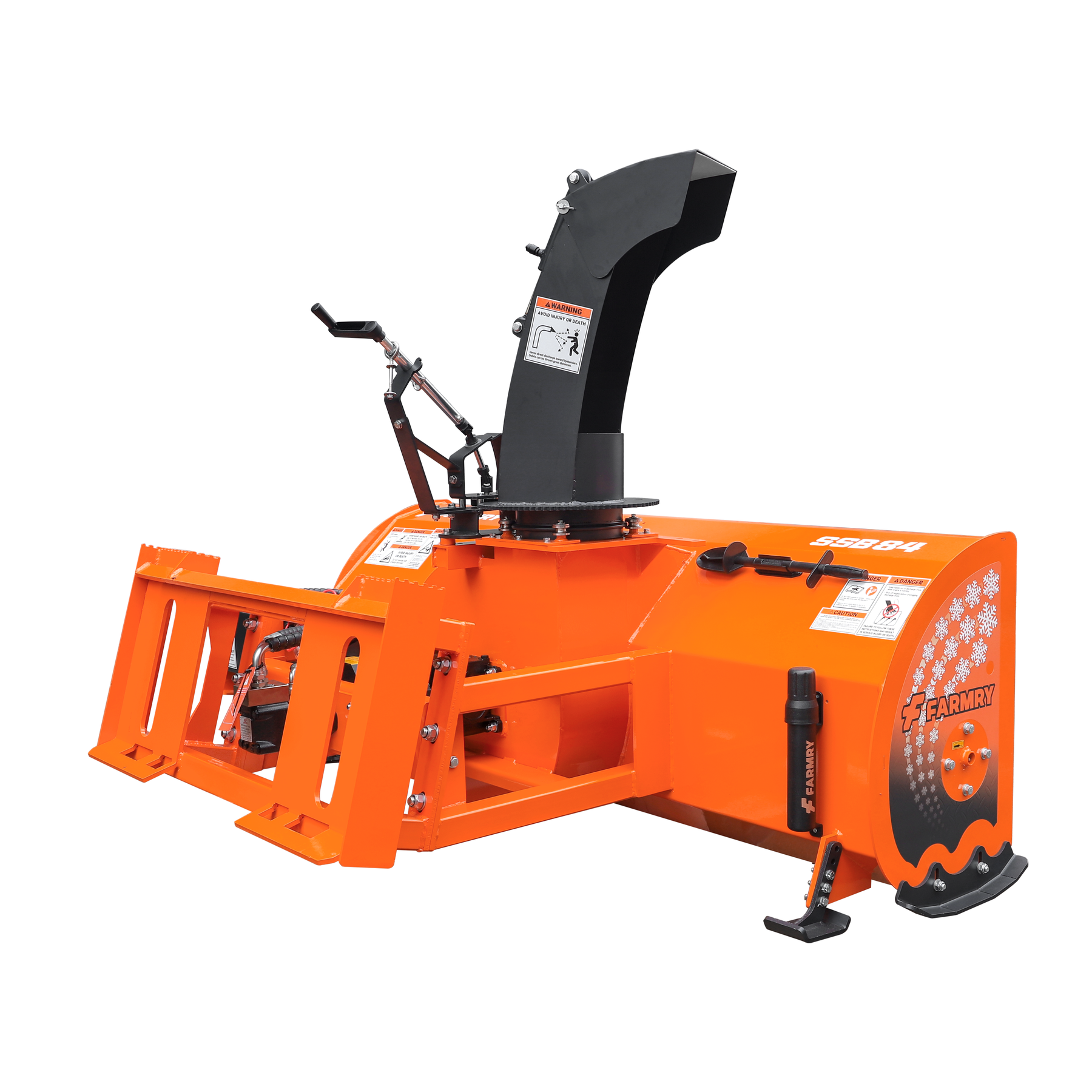
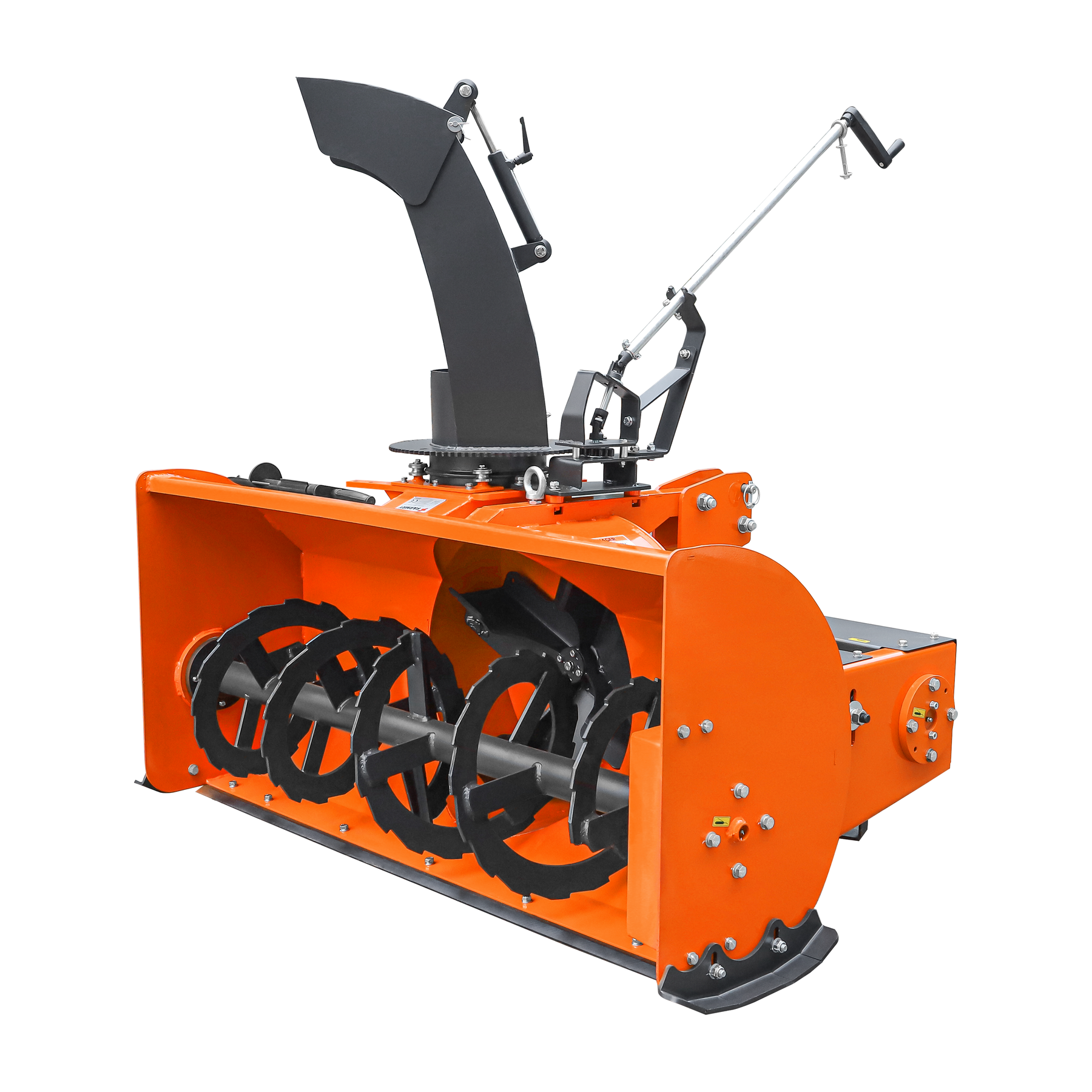
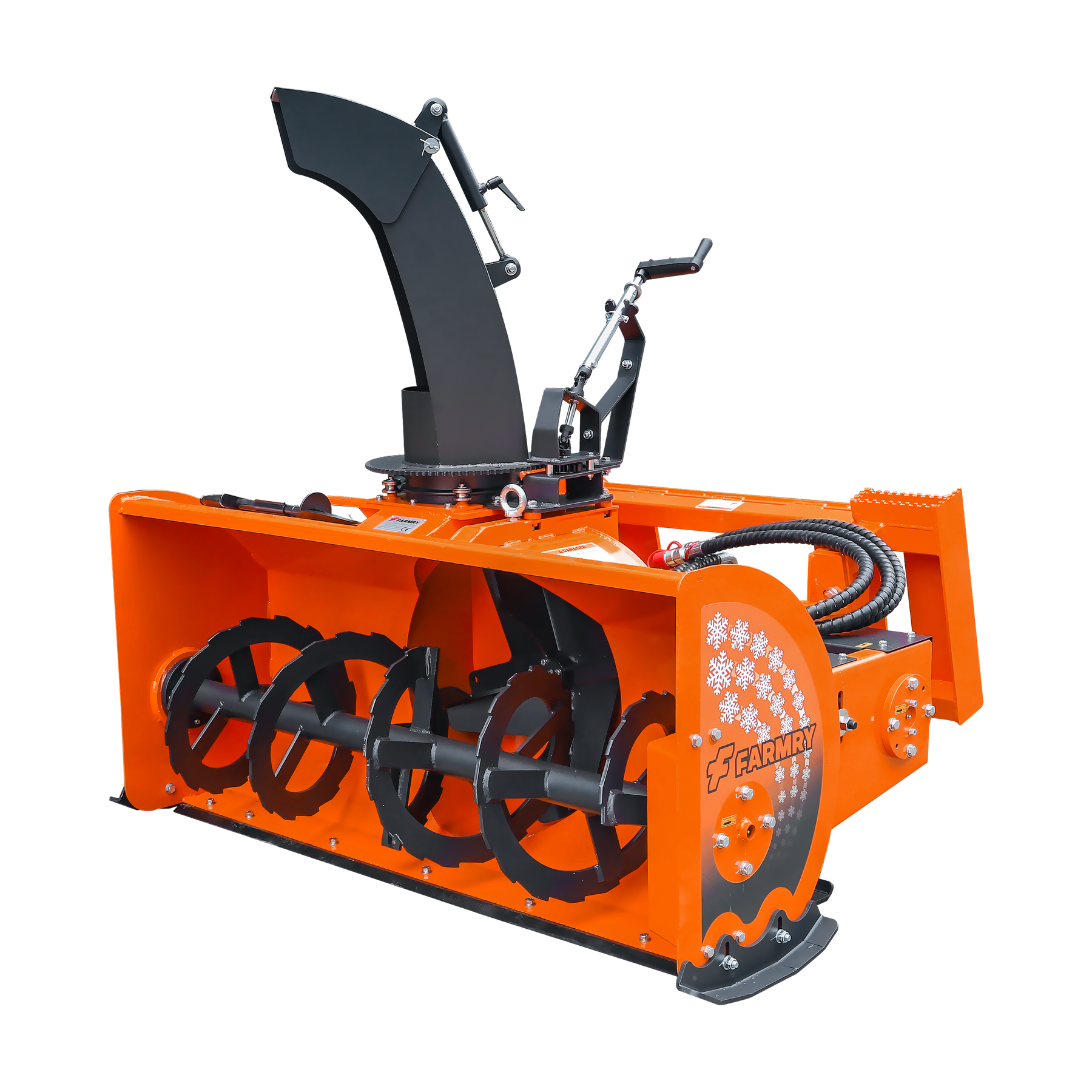
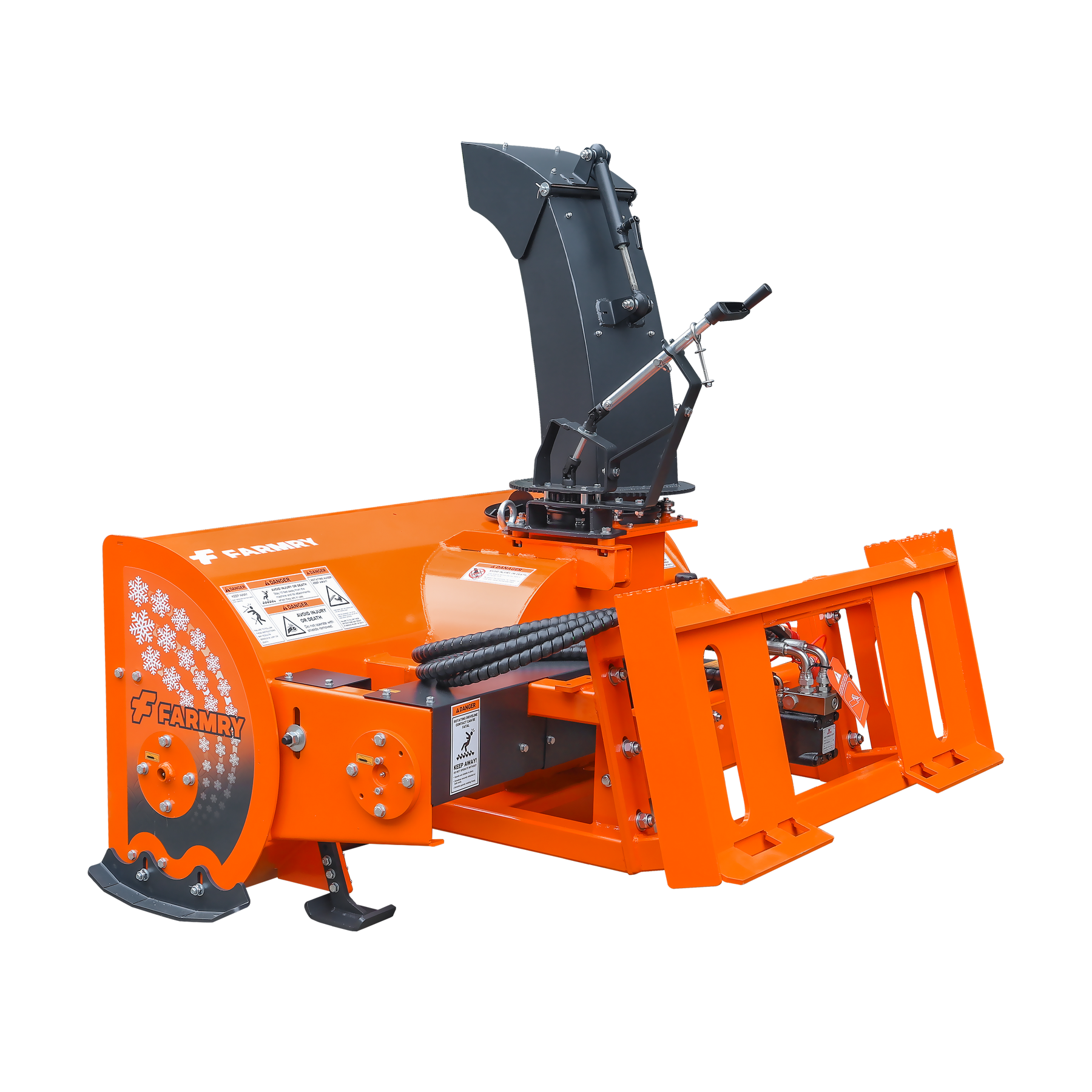
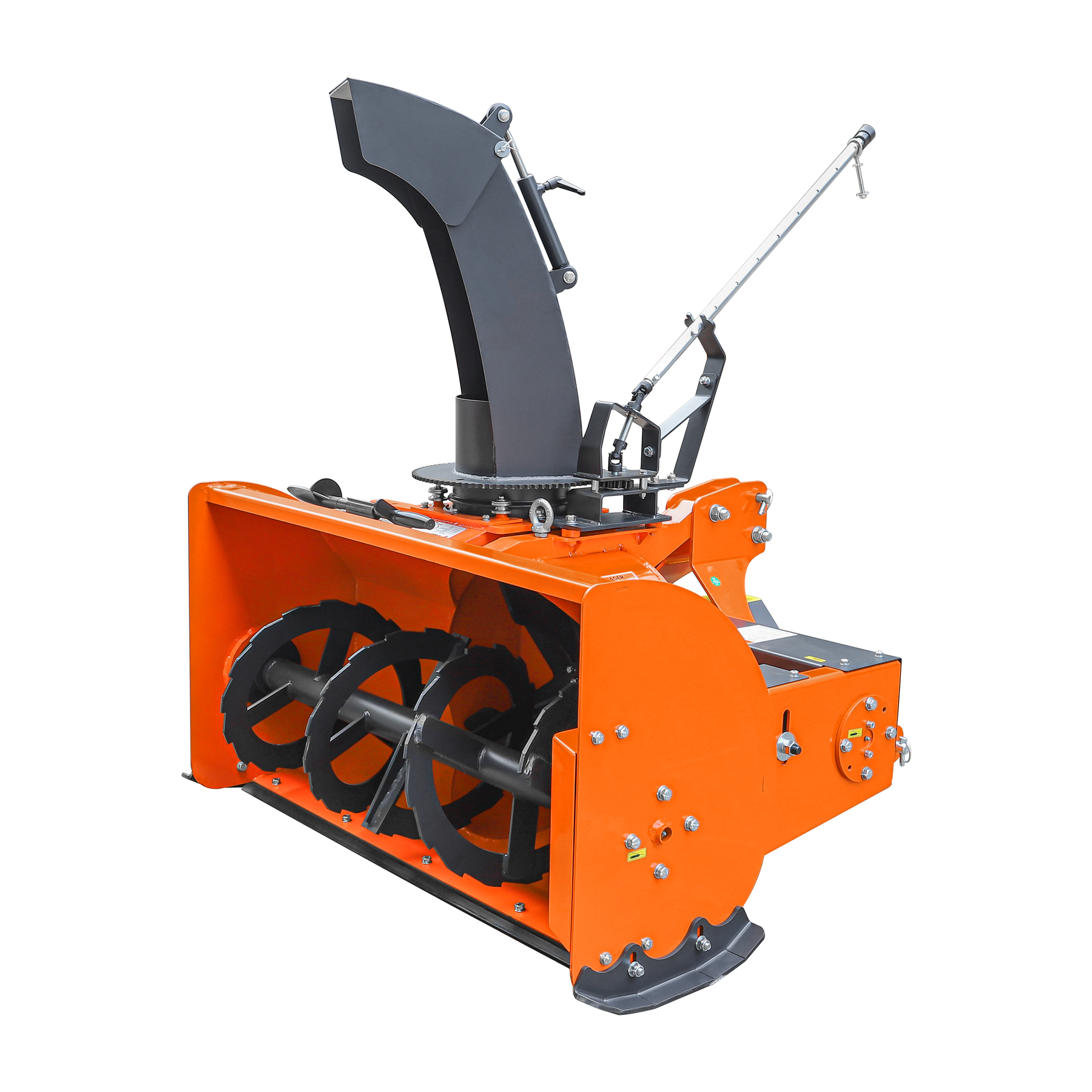
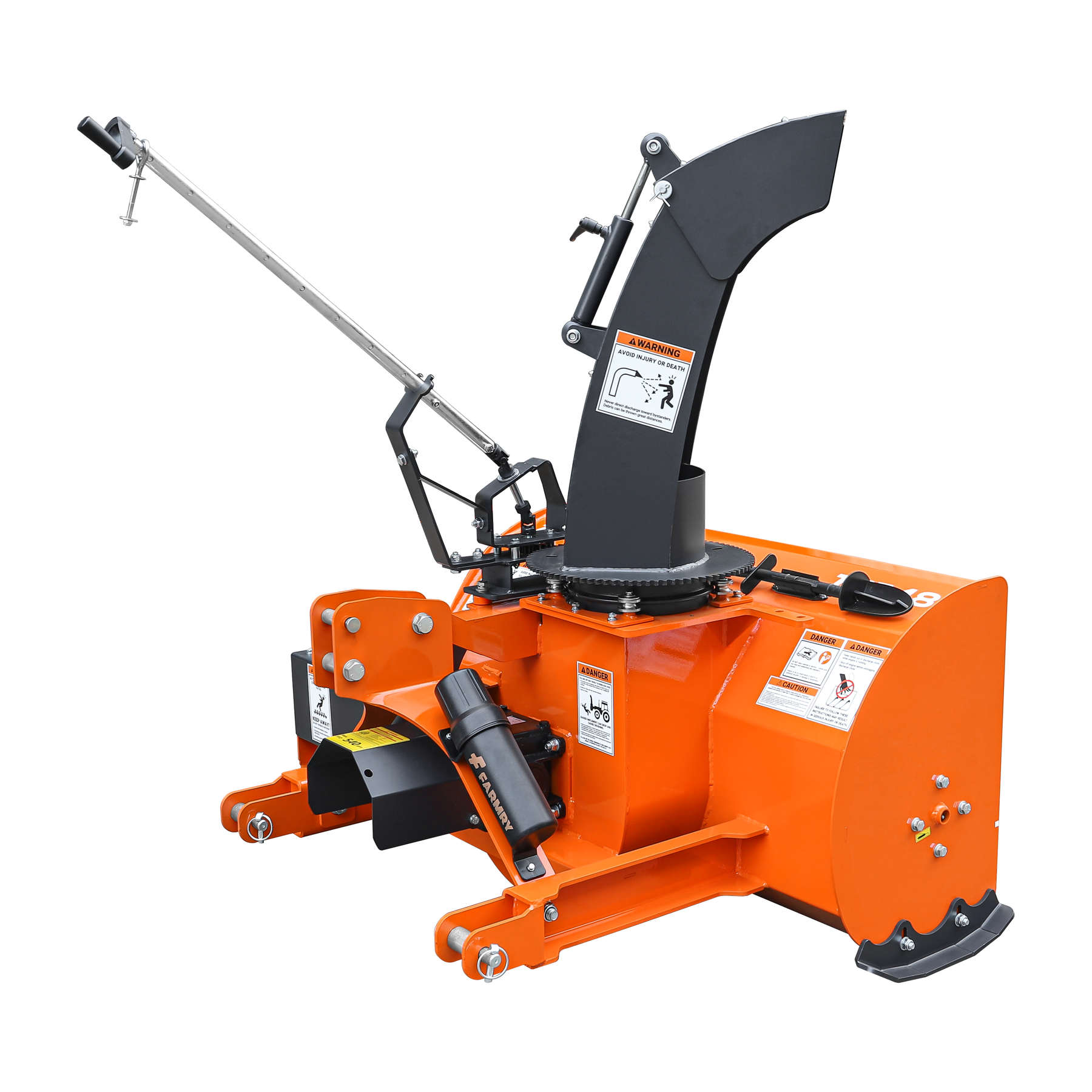
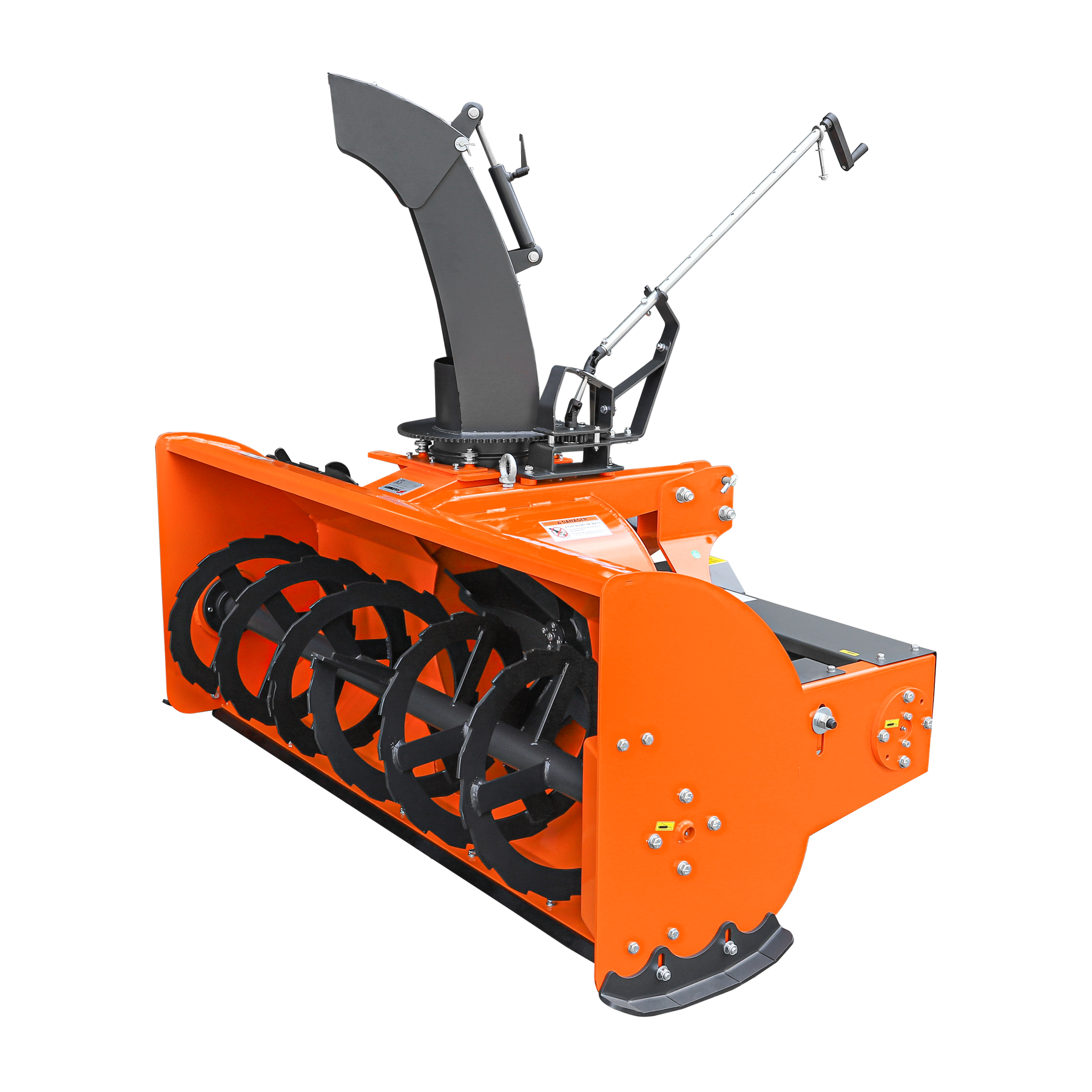
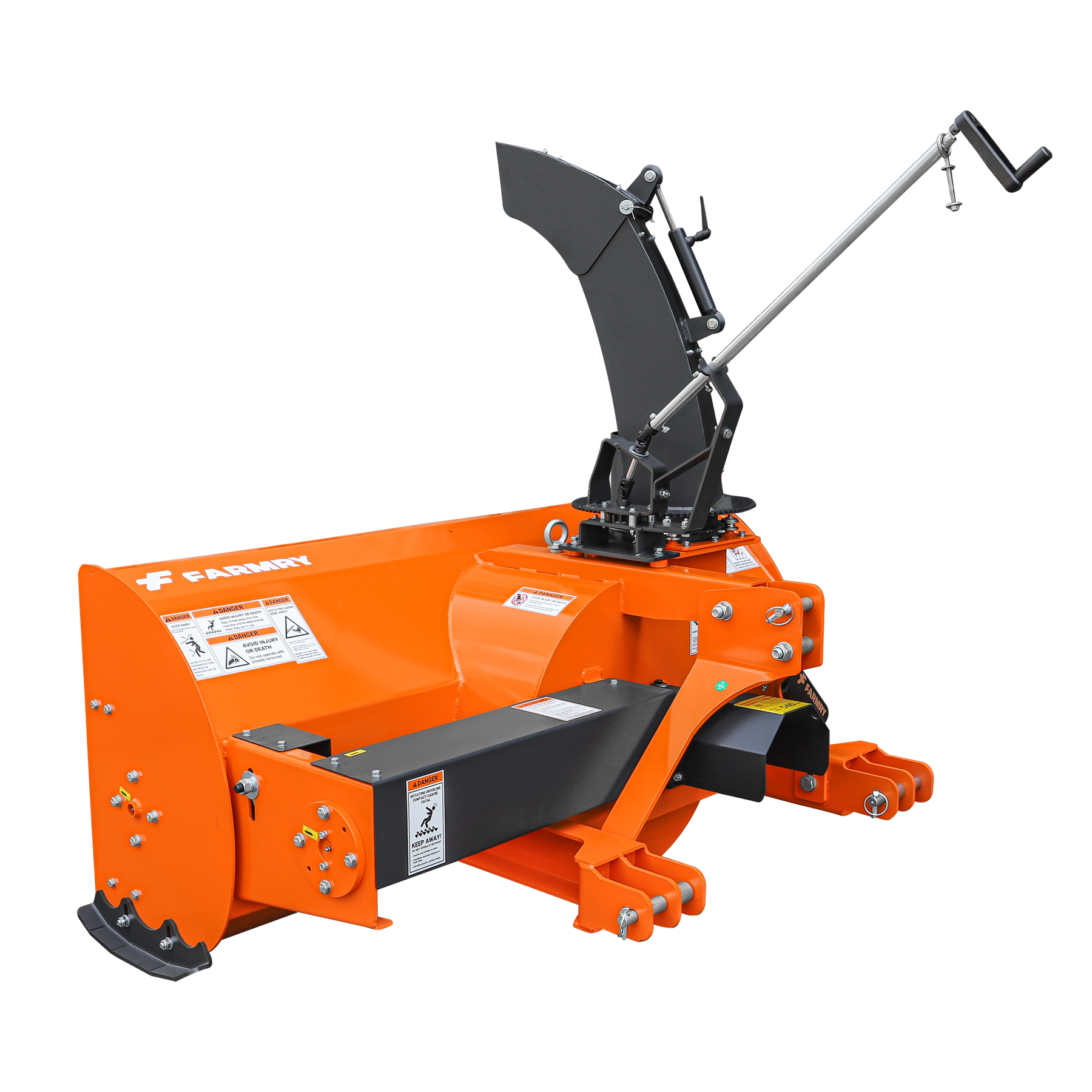
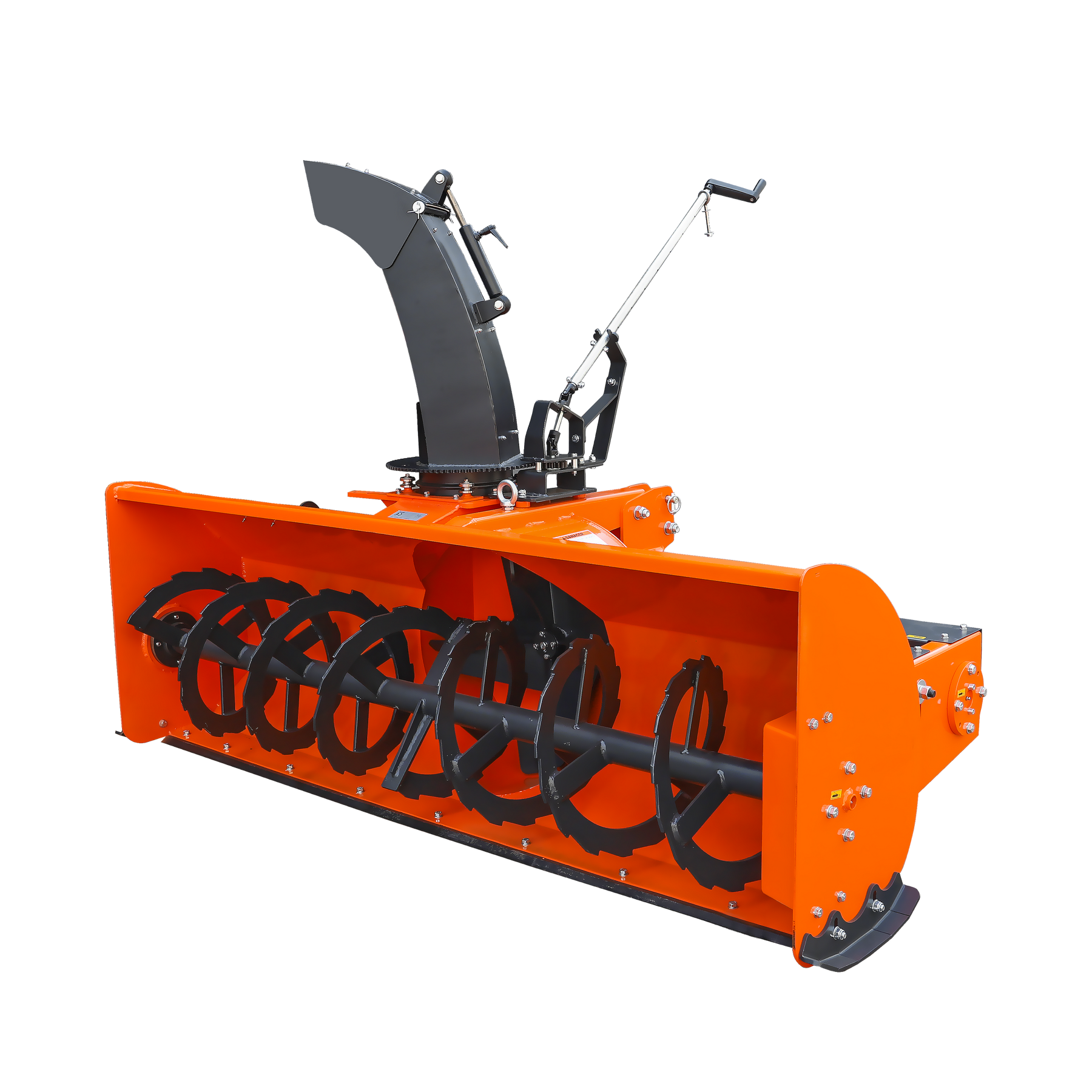
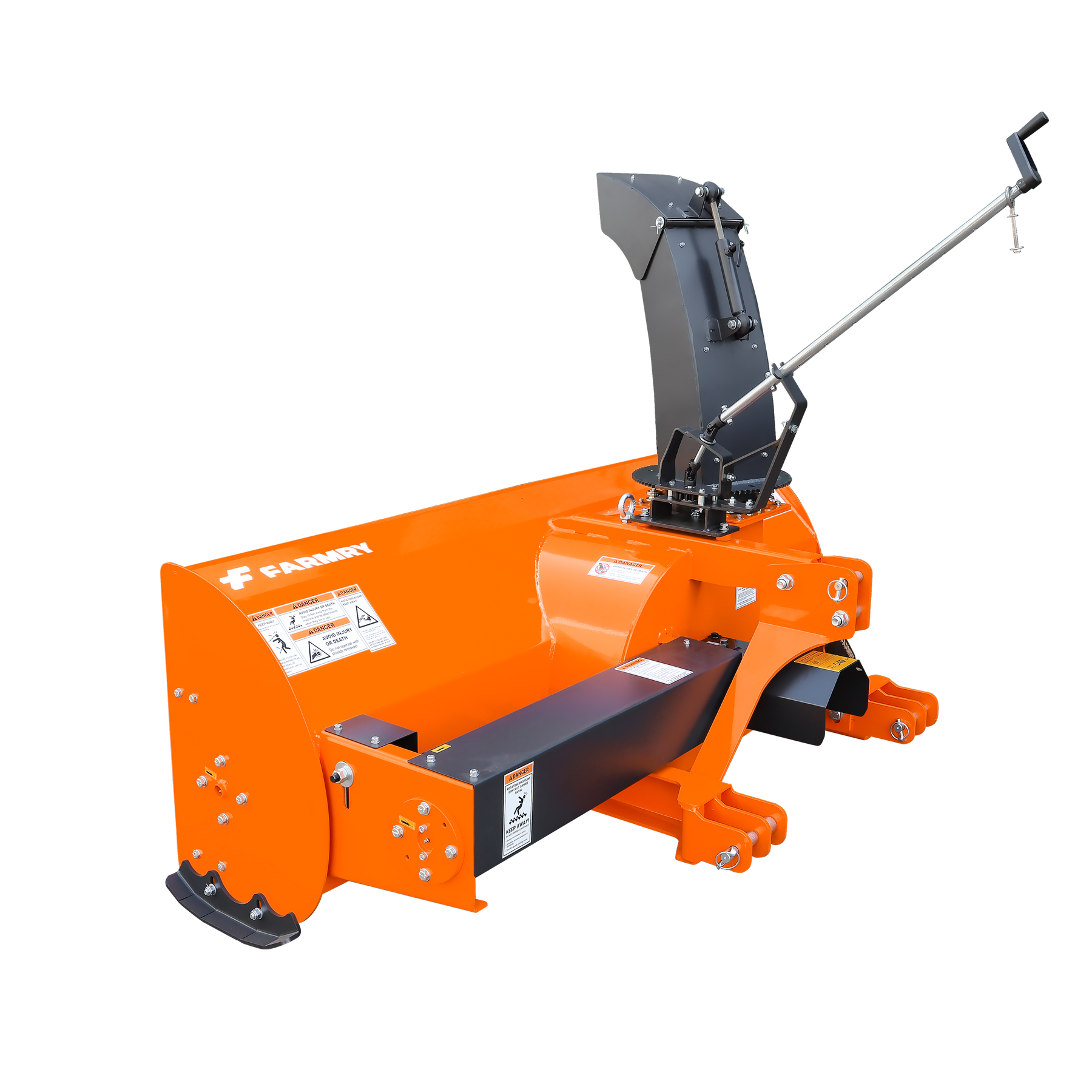
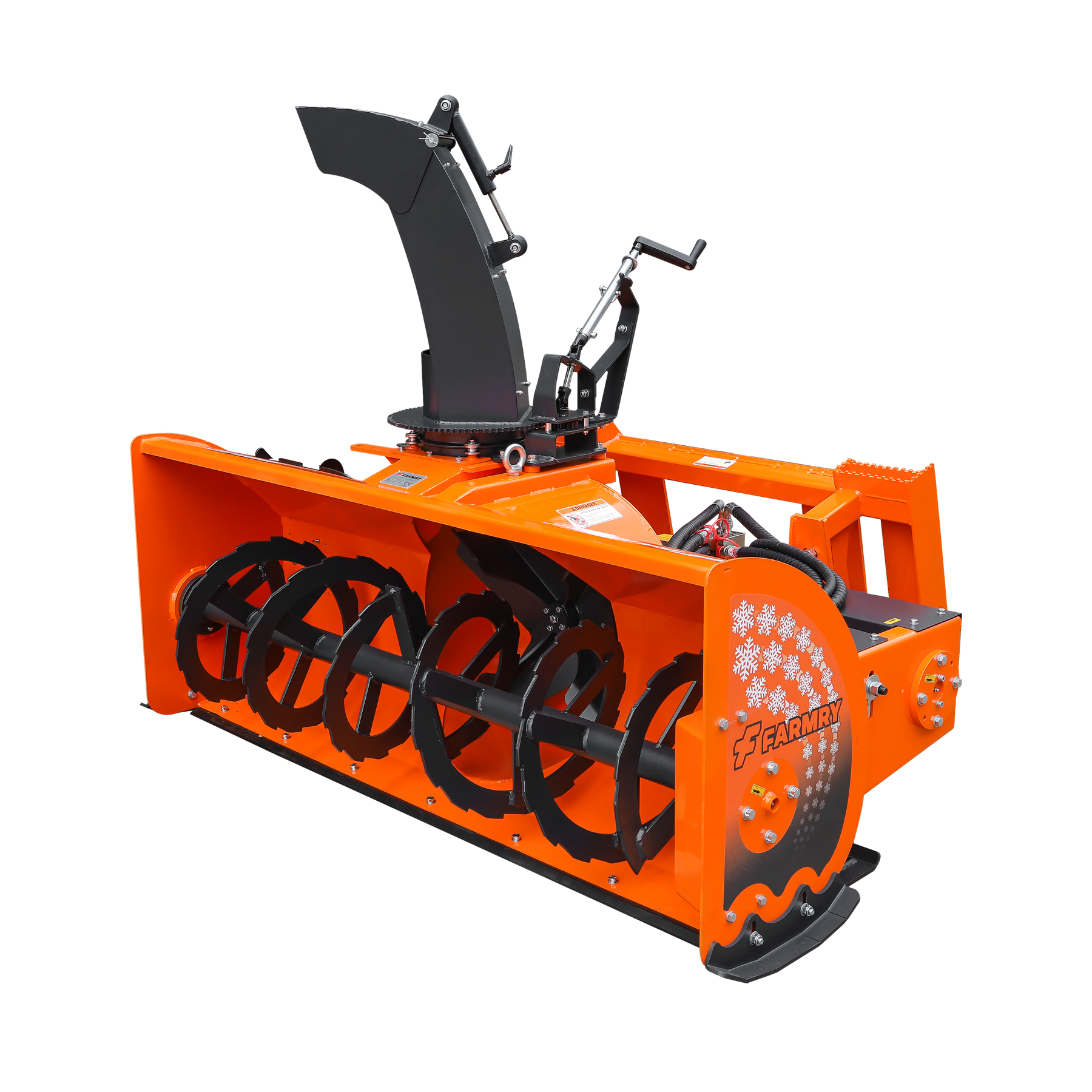
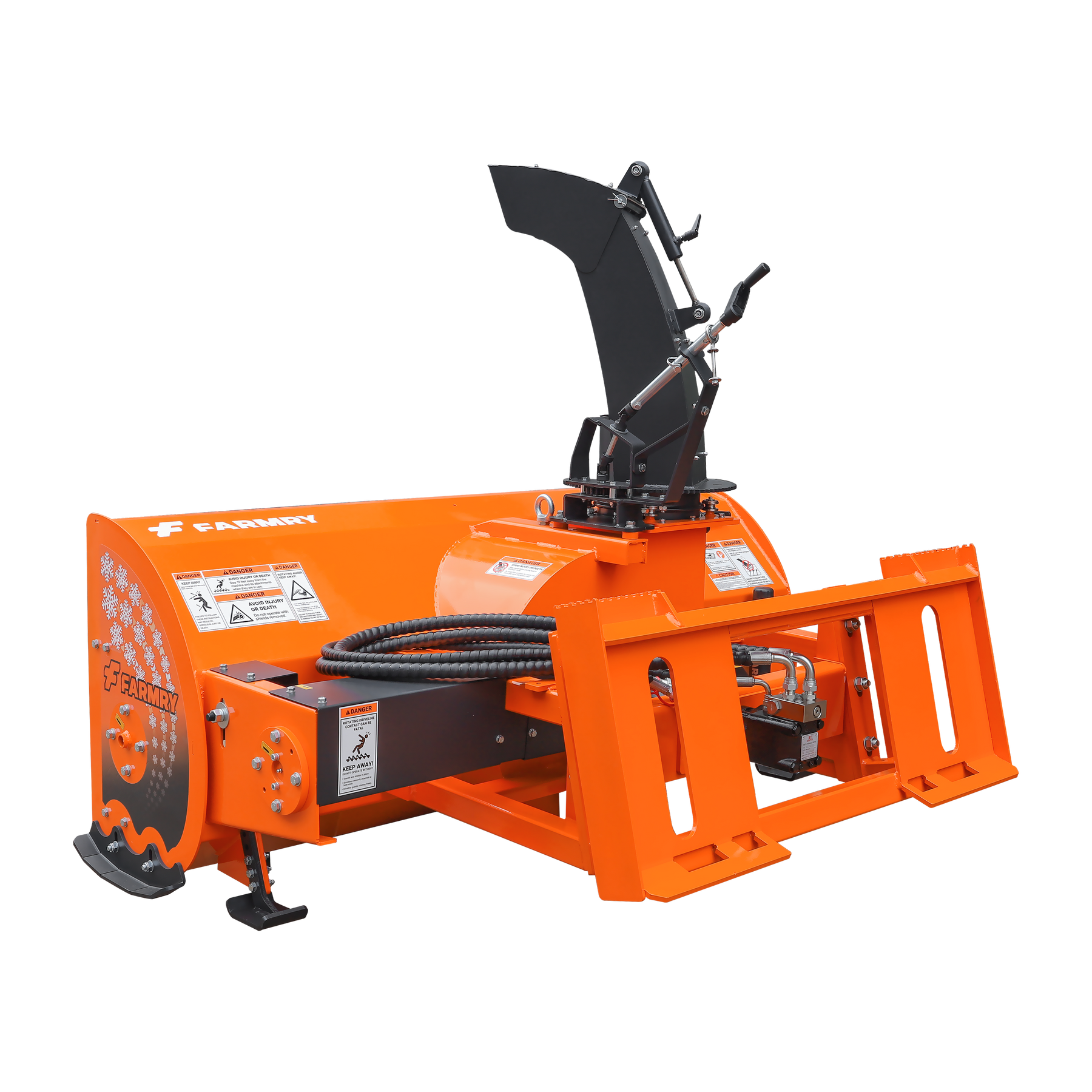
For deep snow and packed drifts, a rear PTO snow blower is often the good choice because it can throw snow away from the place you’re clearing. For faster passes on open lanes, a snow plow or snow pushers style setup can push snow off roads and lots with fewer turns.
Snow Removal Tools for Large Areas and Commercial Jobs
If you’re clearing large areas like lots, long lanes, and farm roads, these snow removal tools are built to handle a bigger load and steady work. Many commercial users prefer the speed of a plow for bulk clearing, then switch to a blower when banks get heavy or space is tight.
Two Stage Snow Blowers vs Single Stage
When comparing single stage vs two stage options, two stage snow blowers are typically better at moving wetter, denser snow and handling deeper buildup. A two stage machine uses an auger to feed snow and an impeller to send it out, helping you clear more consistently through changing weather.
FAQs
1. Snow blower or snow plow—what’s better for snow removal?
A snow plow is usually faster for pushing snow off open routes, while a snow blower is better when you need to move snow farther and reduce piles. If your driveway ends up with tall berms from road plows, a blower can help relocate that snow instead of stacking it.
2. What tractor setup do I need for a rear PTO snow blower?
Most rear PTO blowers are designed for a 3-point hitch and a standard PTO speed (commonly 540 RPM). The right match depends on tractor PTO horsepower, hitch category, and how much heavy snow you typically see—choosing correctly helps the equipment run smoothly and avoid strain.
3. Is a two stage snow blower worth it for deep snow?
For deep snow and dense drifts, two stage designs are often easier to manage because they feed snow more steadily and can throw it farther from the cleared path. If you regularly deal with heavy snowfall, a two stage setup can reduce re-clearing and speed up the job.
4. How do I avoid damage on gravel driveways?
Use skid shoes (or the correct setup height) so the cutting edge doesn’t dig into gravel. This helps prevent damage, reduces scooping stones, and makes it easier to clear without leaving ruts—especially when the base is still soft early in winter.
5. What safety tips matter most for snow removal equipment?
Always watch discharge direction and keep people, pets, and vehicles (like your car) away from the throw zone. Stop the machine before clearing jams, and plan routes to avoid pushing snow toward sidewalks, doors, or areas prone to ice buildup.
6. Do I need salt, and how does it fit into snow removal?
Salt can help manage ice after plowing or blowing, especially on shaded areas and high-traffic spots. For best results, clear snow first, then apply salt where slipping risk is highest—this helps keep walk zones safer and improves overall site access.