Skip to content




you may also like




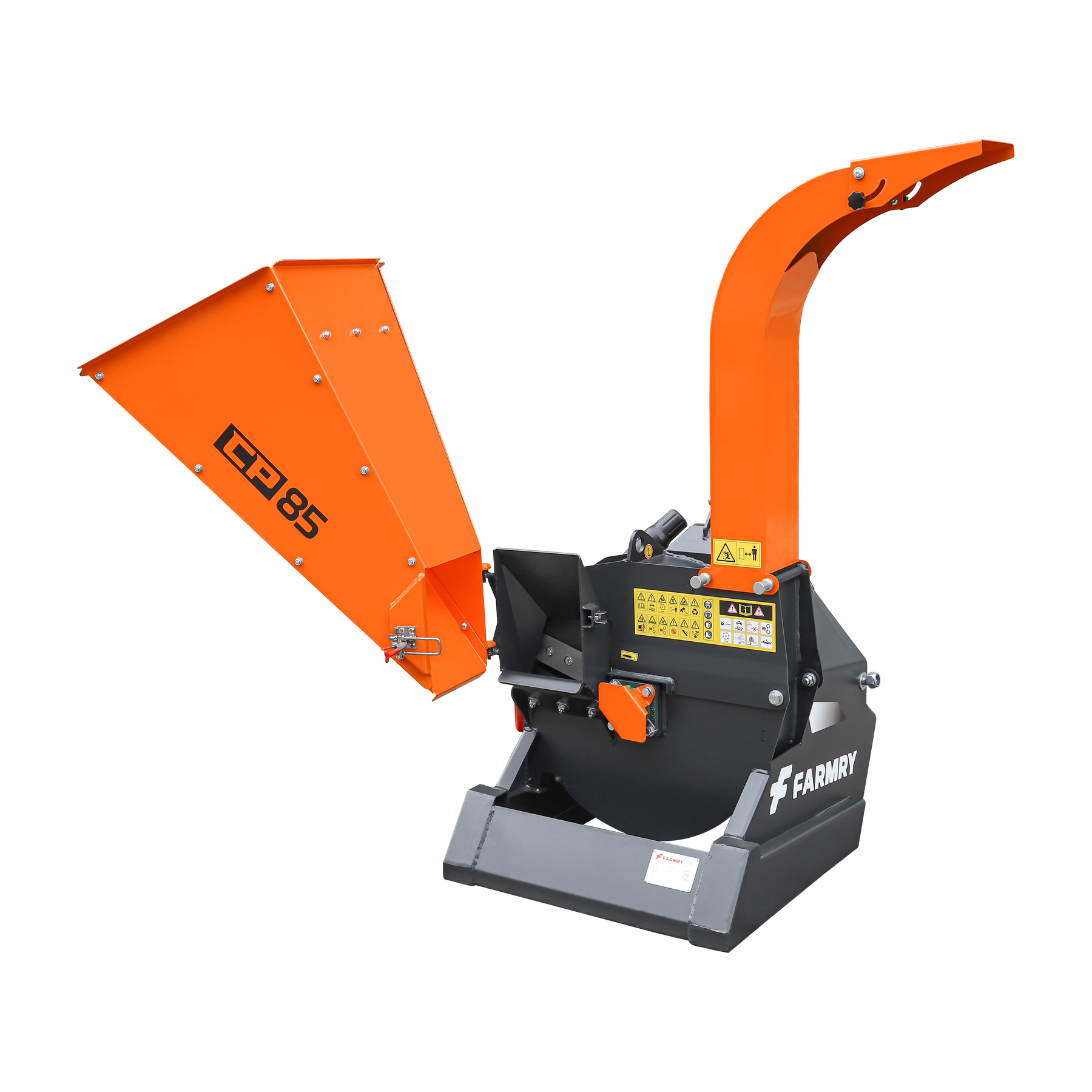
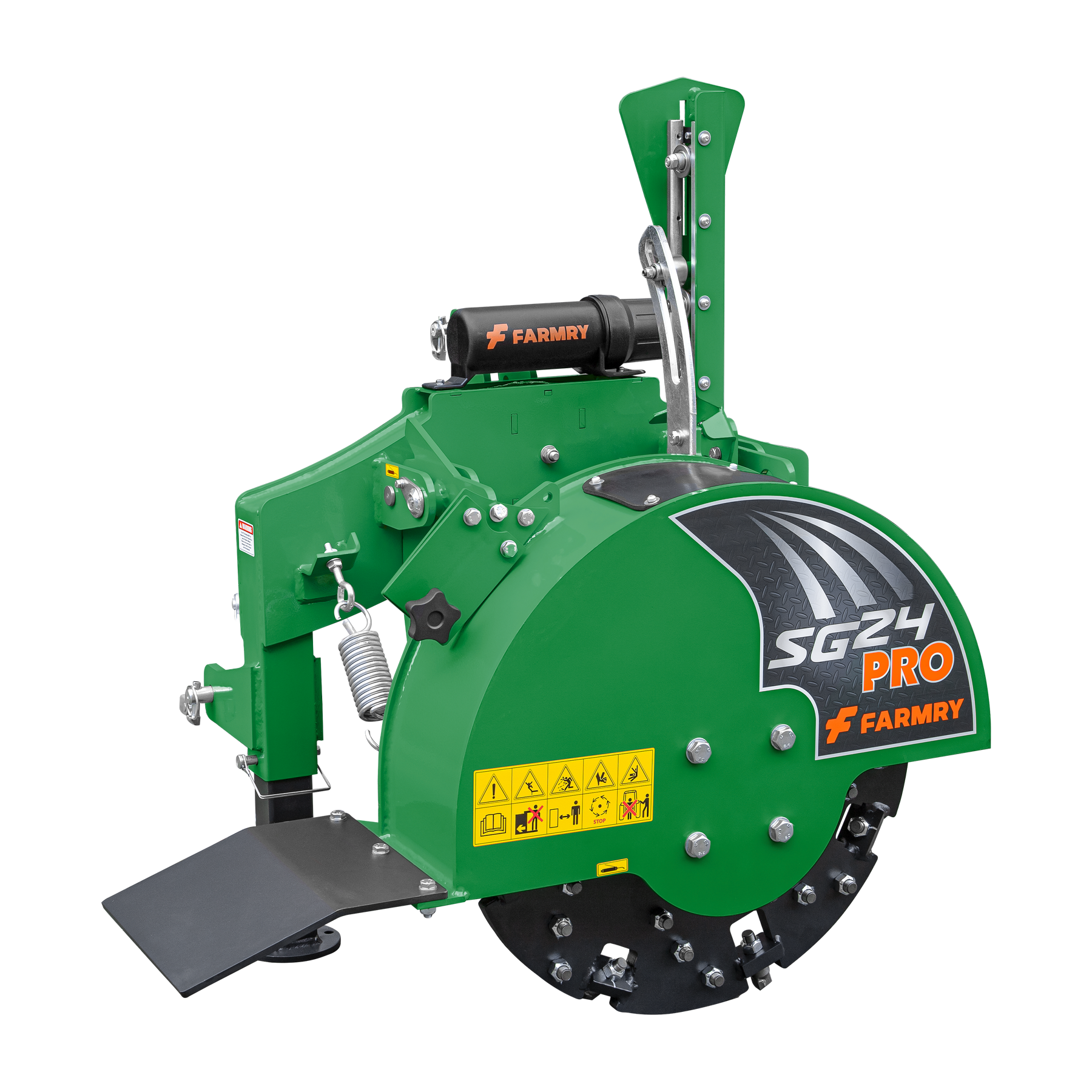
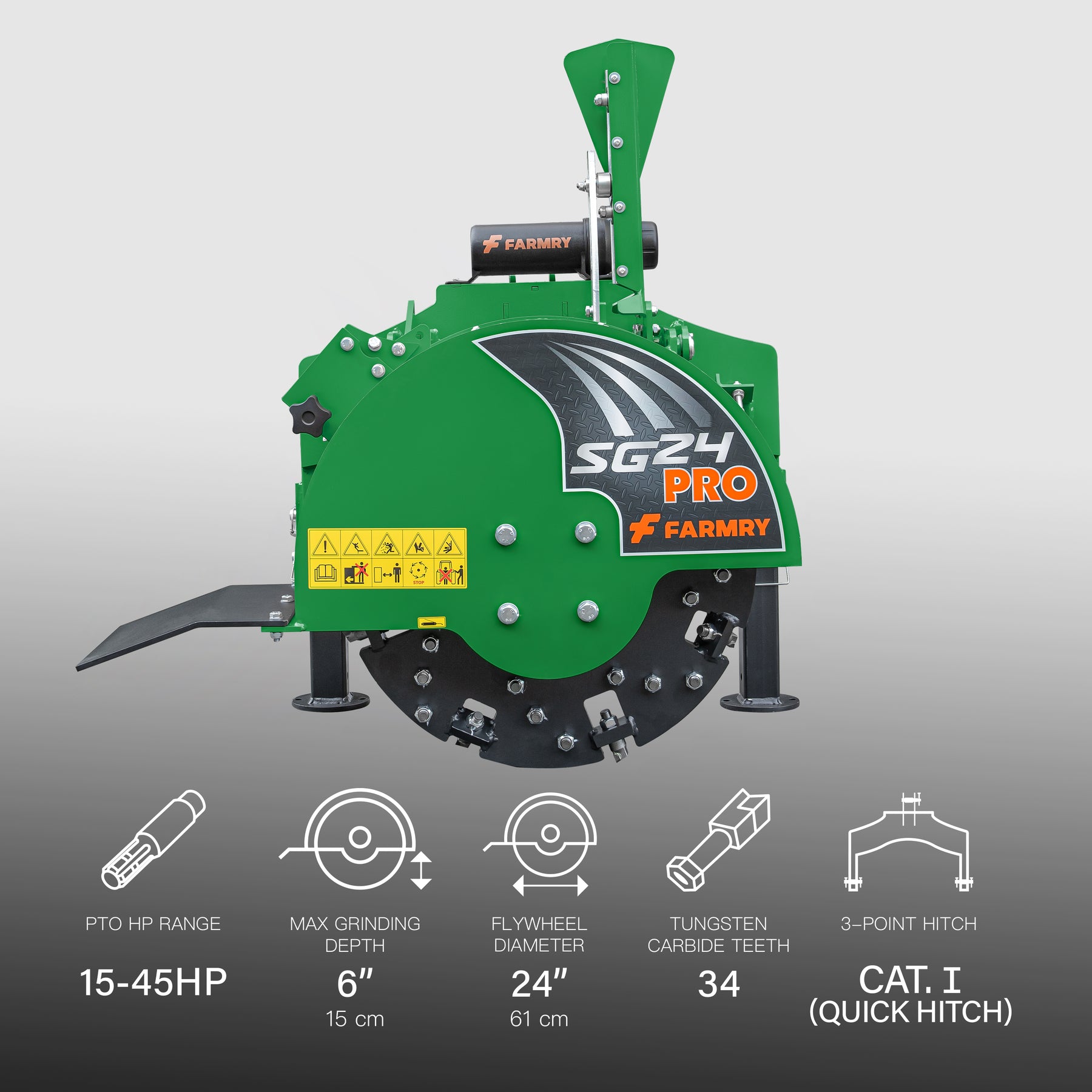
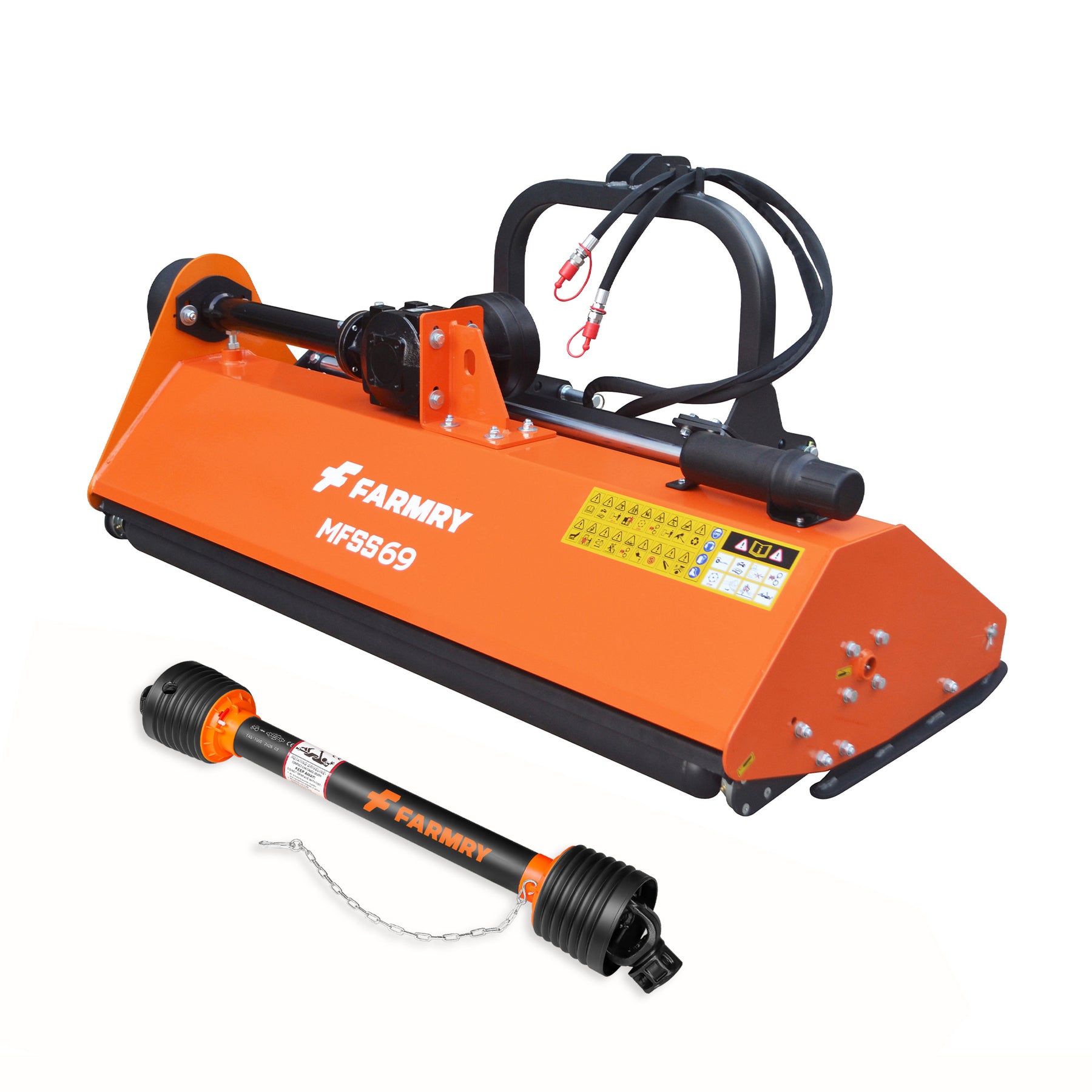



Choose a PTO Wood Chipper Based on Your Use Case
1. For Storm Debris and Fallen Tree Limbs
After storms, clearing fallen branches and heavy tree limbs quickly becomes a priority. A higher capacity PTO wood chipper with strong rotor knives and stable direct drive performance helps process large volumes of debris efficiently. This setup is ideal for property owners who need reliable cleanup without multiple passes or manual handling.
2. For Land Clearing and Brush Management
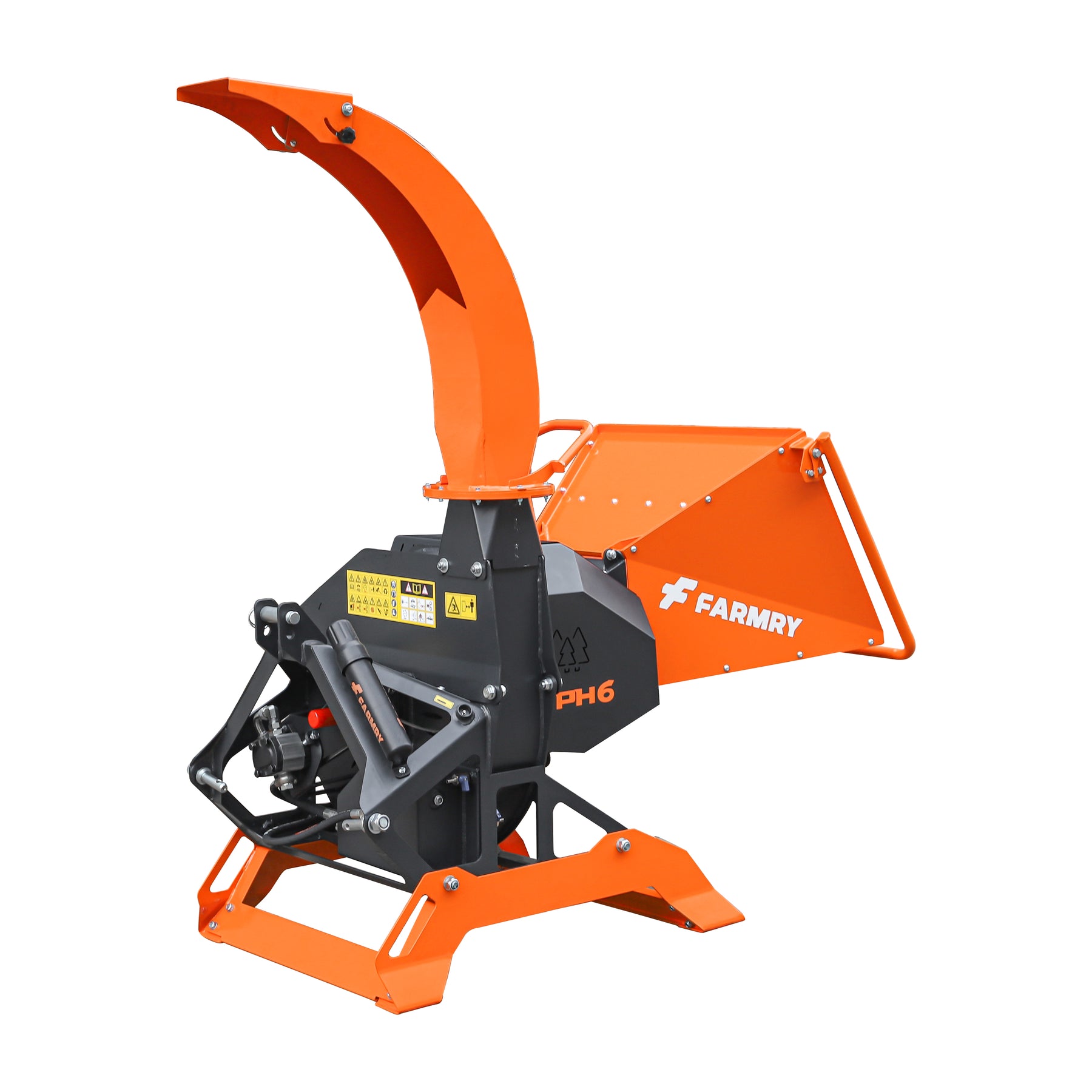
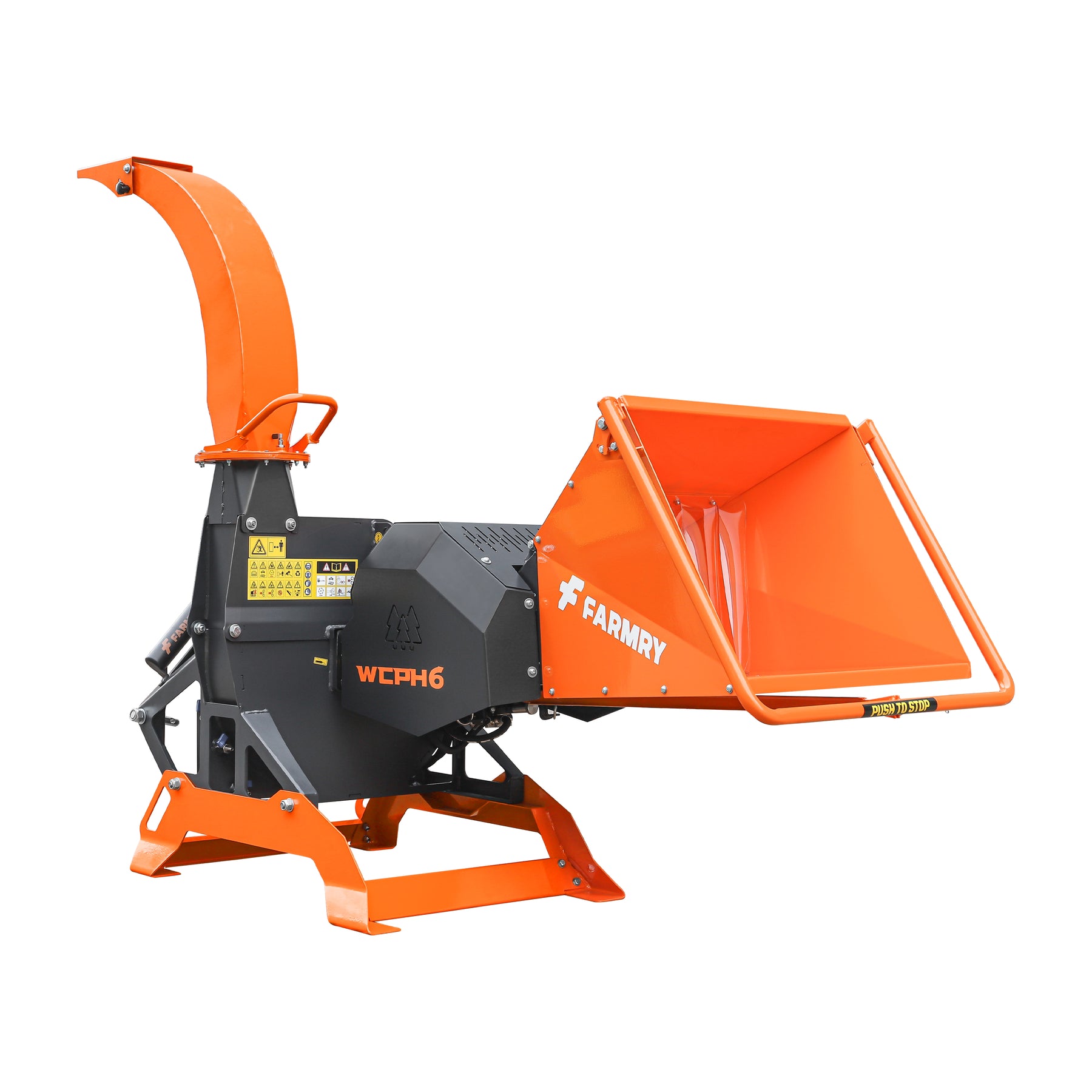
For ongoing land maintenance, including clearing brush, small trees, and dense overgrowth, a PTO wood chipper provides a consistent way to reduce bulk material into manageable chips. Models with hydraulic feed improve control when handling uneven loads, making them suitable for more demanding clearing jobs and improving overall workflow.
3. For Farm and Property Maintenance
If your needs focus on routine cleanup—such as trimming branches, maintaining fence lines, or handling seasonal debris—a mid-size chipper with gravity feed is often the right choice. It offers a balance between performance, ease of use, and cost, making it a practical solution for everyday property care.
Choose the Right PTO Wood Chipper for Your Tractor and Workload
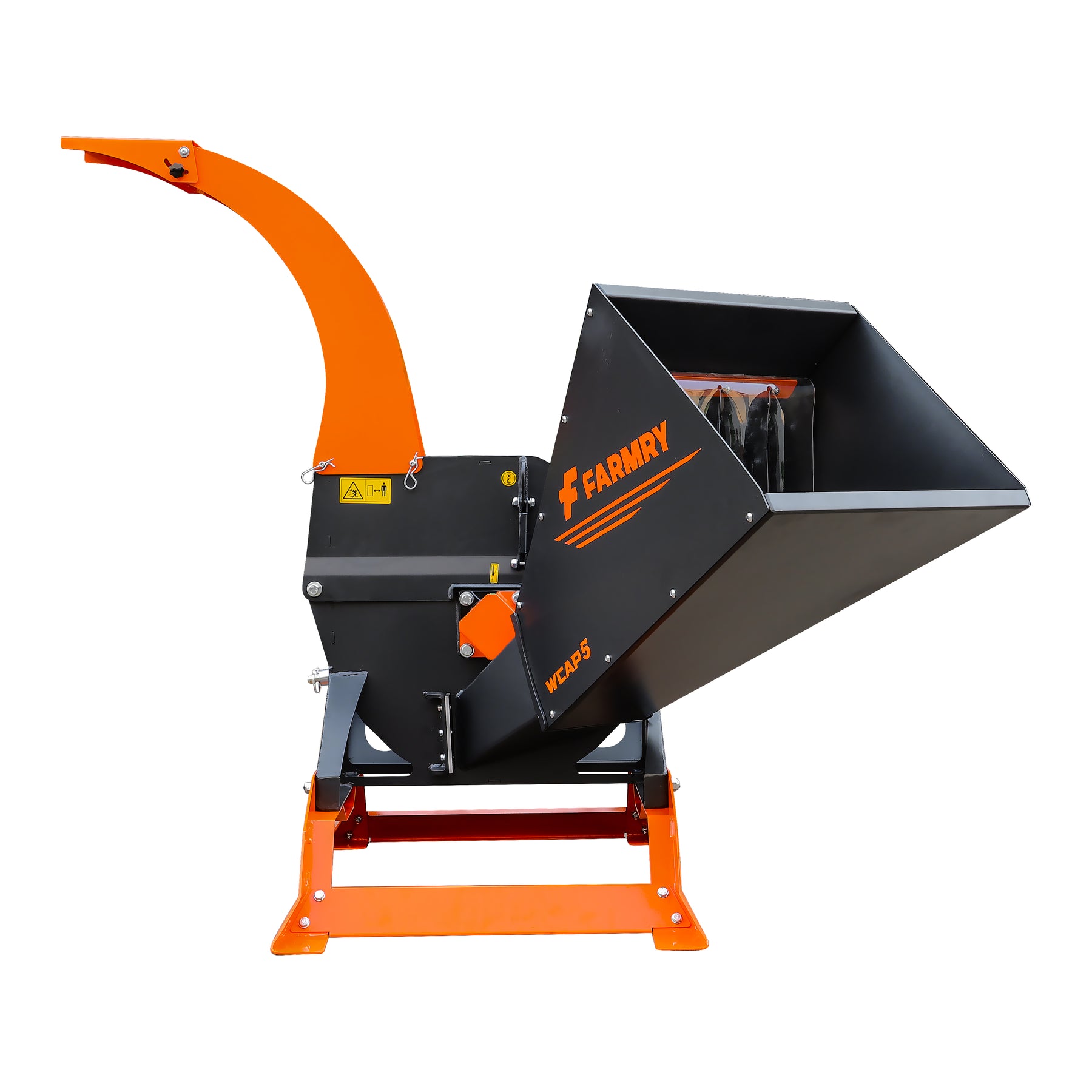
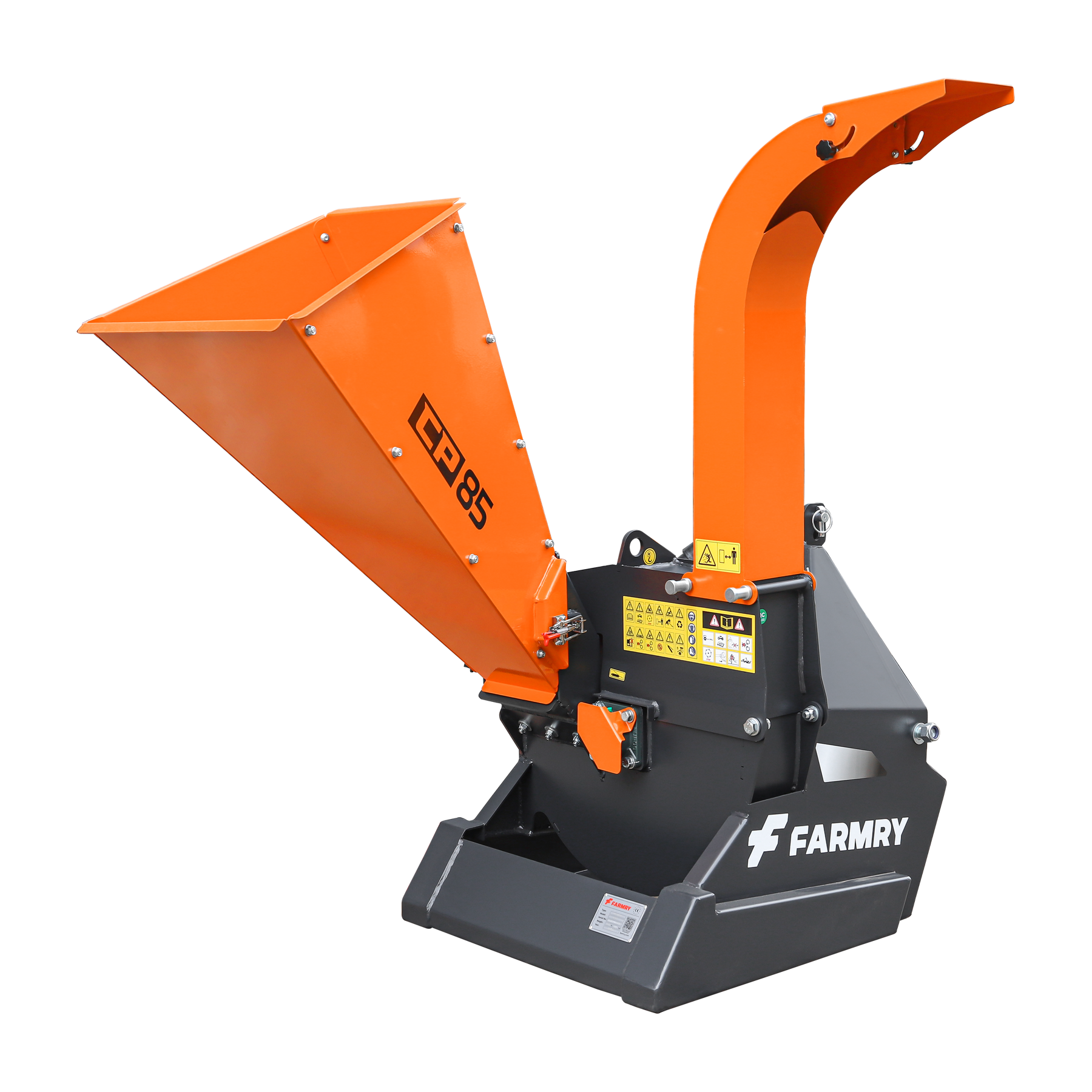
The right PTO wood chipper depends on your tractor, required cutting capacity, and the size of the branches you handle. When comparing models, consider gravity feed or hydraulic feed, along with key features like rotor knives, rotor size, direct drive, hopper, and chute design. Choosing the right size machine helps ensure smooth operation, consistent performance, and long-term reliability.
FAQs
1. What size branches can a PTO wood chipper handle?
Most wood chippers are rated by maximum cutting capacity in inches. Light-duty models handle smaller branches, while larger units process thicker tree limbs. Always match the chipper’s capacity with your tractor’s PTO power to maintain stable performance.
2. What tractor horsepower is needed for a PTO wood chipper?
PTO horsepower requirements vary by model, weight, and capacity. Smaller units can work with compact tractors, while higher-capacity machines need more power. Matching the chipper to your tractor ensures smooth operation and prevents stalling under load.
3. Is hydraulic feed better than gravity feed?
Gravity feed works well for straight, lighter branches and occasional cleanup. Hydraulic feed gives the operator better control when handling uneven or bulky debris, making it a better option for frequent use and higher workloads.
4. How do I choose the right PTO wood chipper size?
Choose based on the size of material you process, how often you use the machine, and your tractor capacity. The right size chipper should handle your typical branches without overloading the machine or slowing down your workflow.
5. Should I choose a gravity feed or hydraulic feed PTO wood chipper?
A gravity feed PTO wood chipper is a practical option for users who want simple operation and easy maintenance. A hydraulic feed model offers more controlled feeding and is better suited for higher-volume work or heavier material. The right choice depends on your workload, tractor setup, and how often the machine will be used.
6. Can a PTO wood chipper handle storm debris and regular property cleanup?
Yes, a PTO wood chipper is well suited for both storm debris and routine land maintenance. It can process fallen limbs, brush, and other organic material, helping customers keep their property clean and reduce disposal effort.
Relevant Blogs