Skip to content



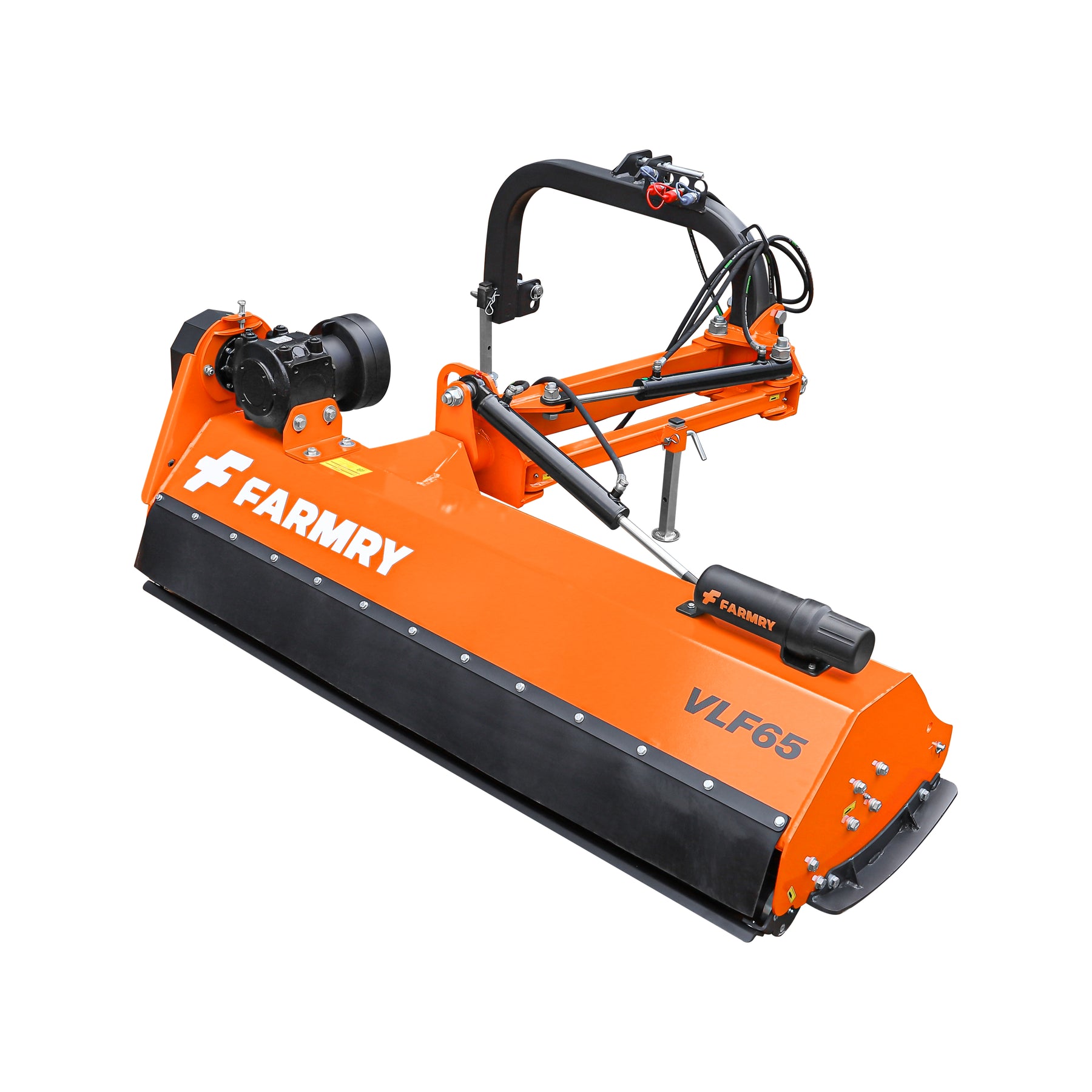
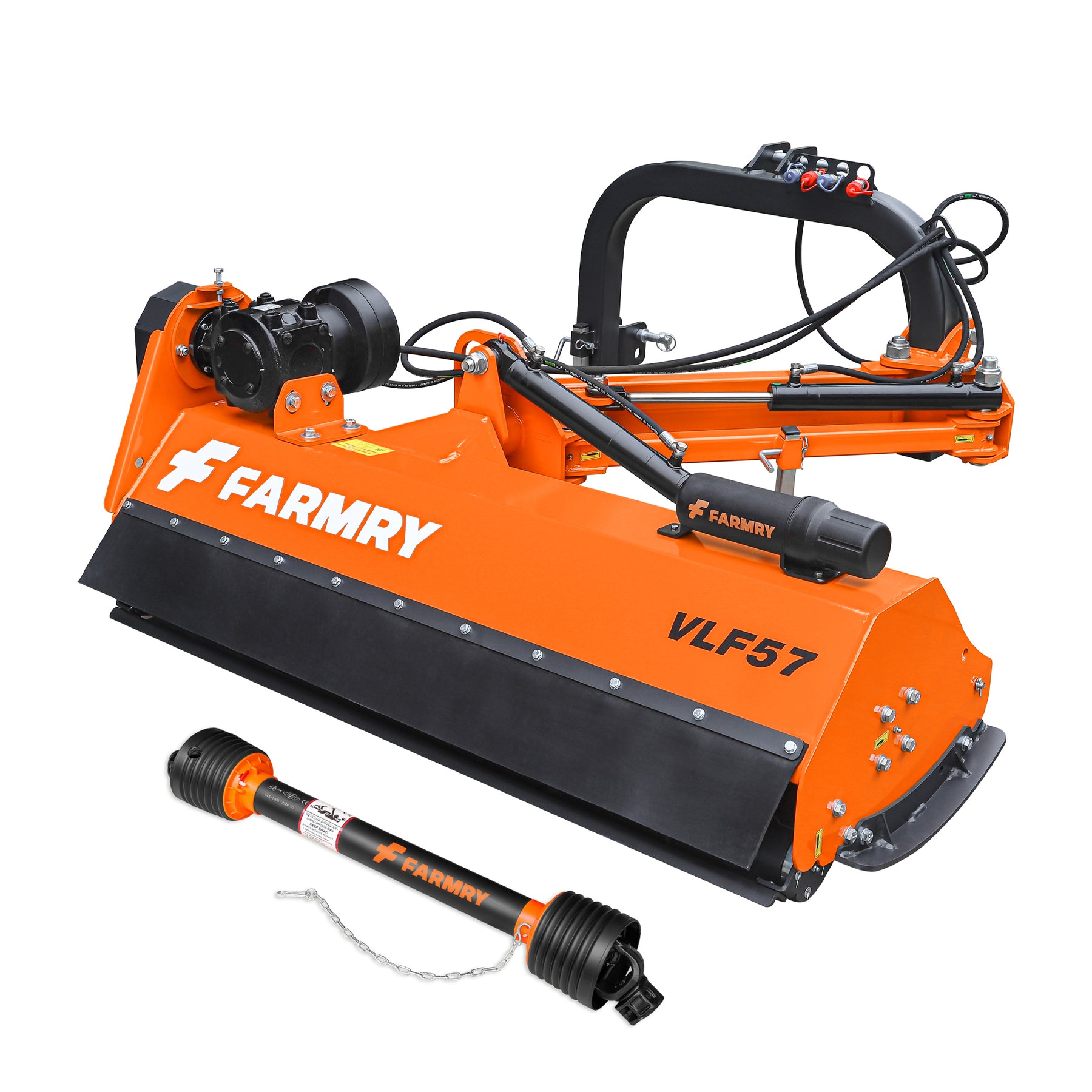
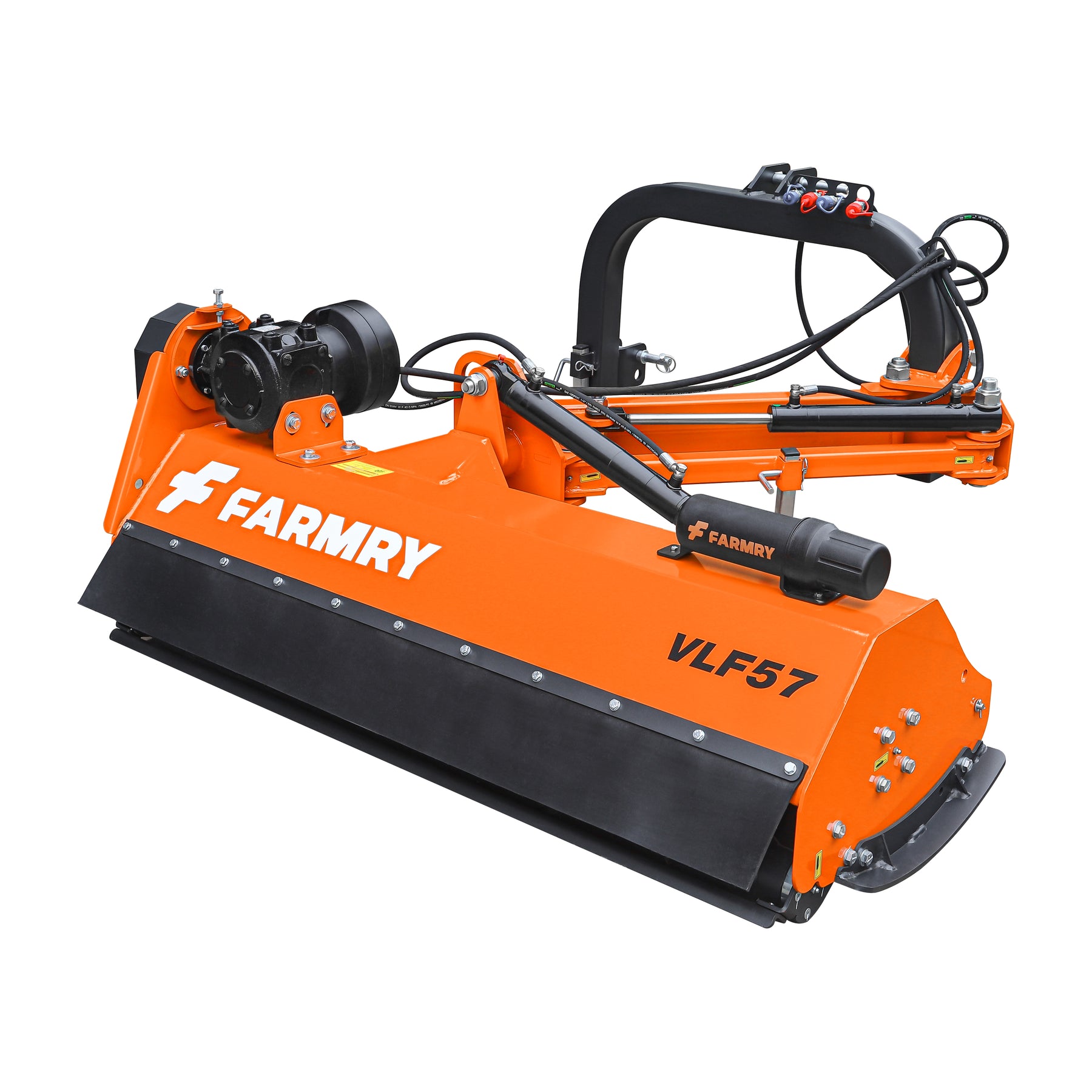
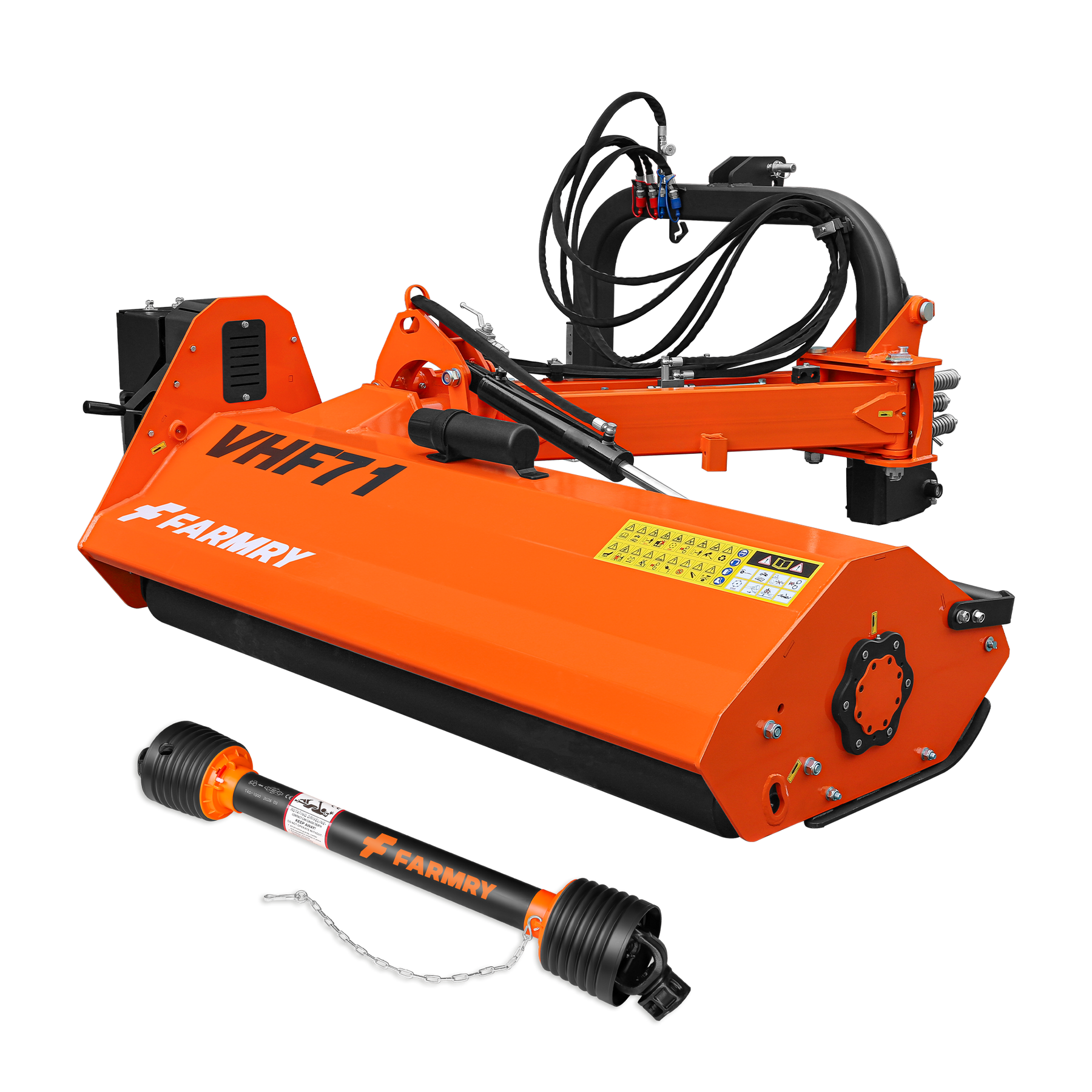
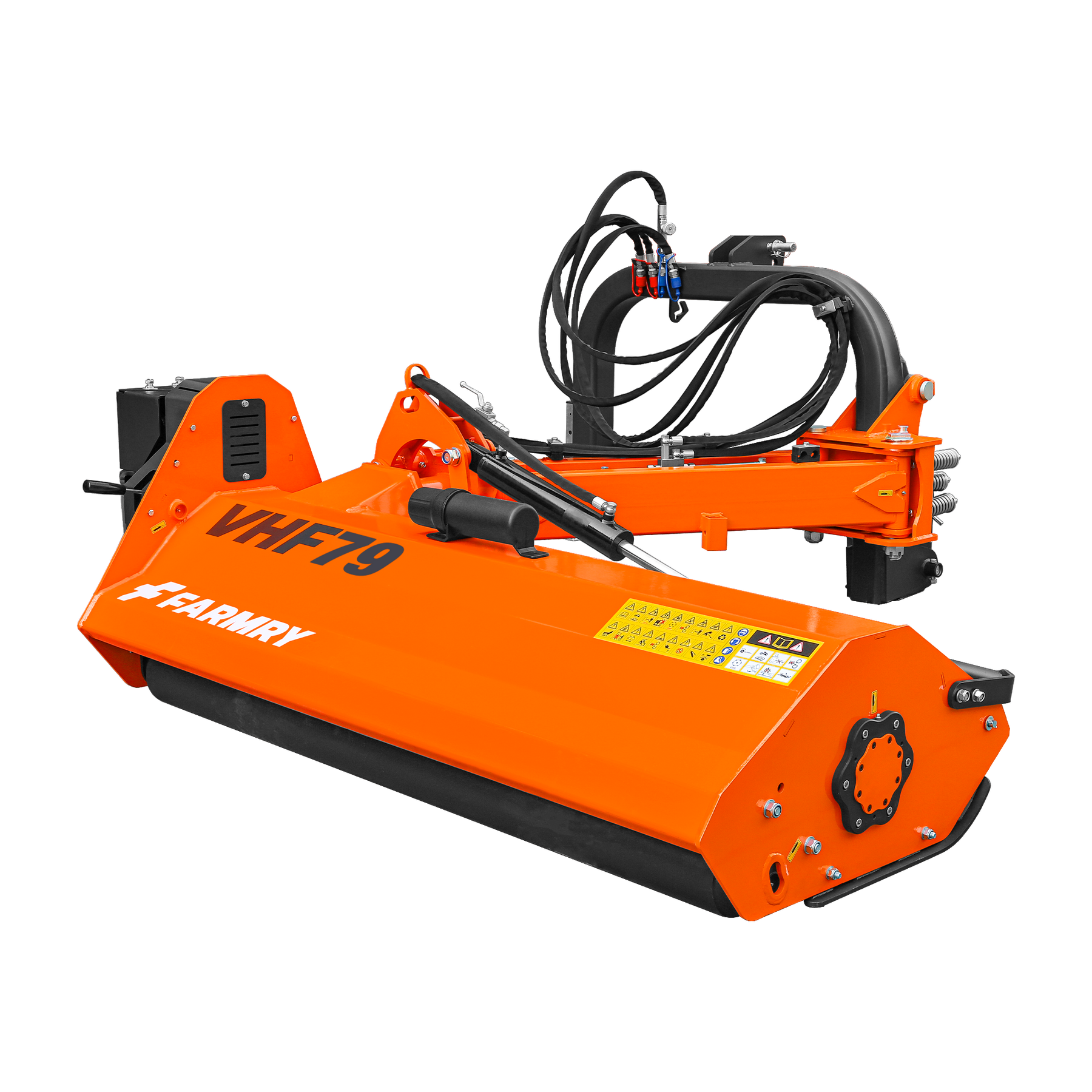
3 point offset flail ditch bank mowers





you may also like












FAQs
What is an offset flail mower and how does a 3 point offset flail ditch bank mower work?
What is an offset flail mower and how does a 3 point offset flail ditch bank mower work?
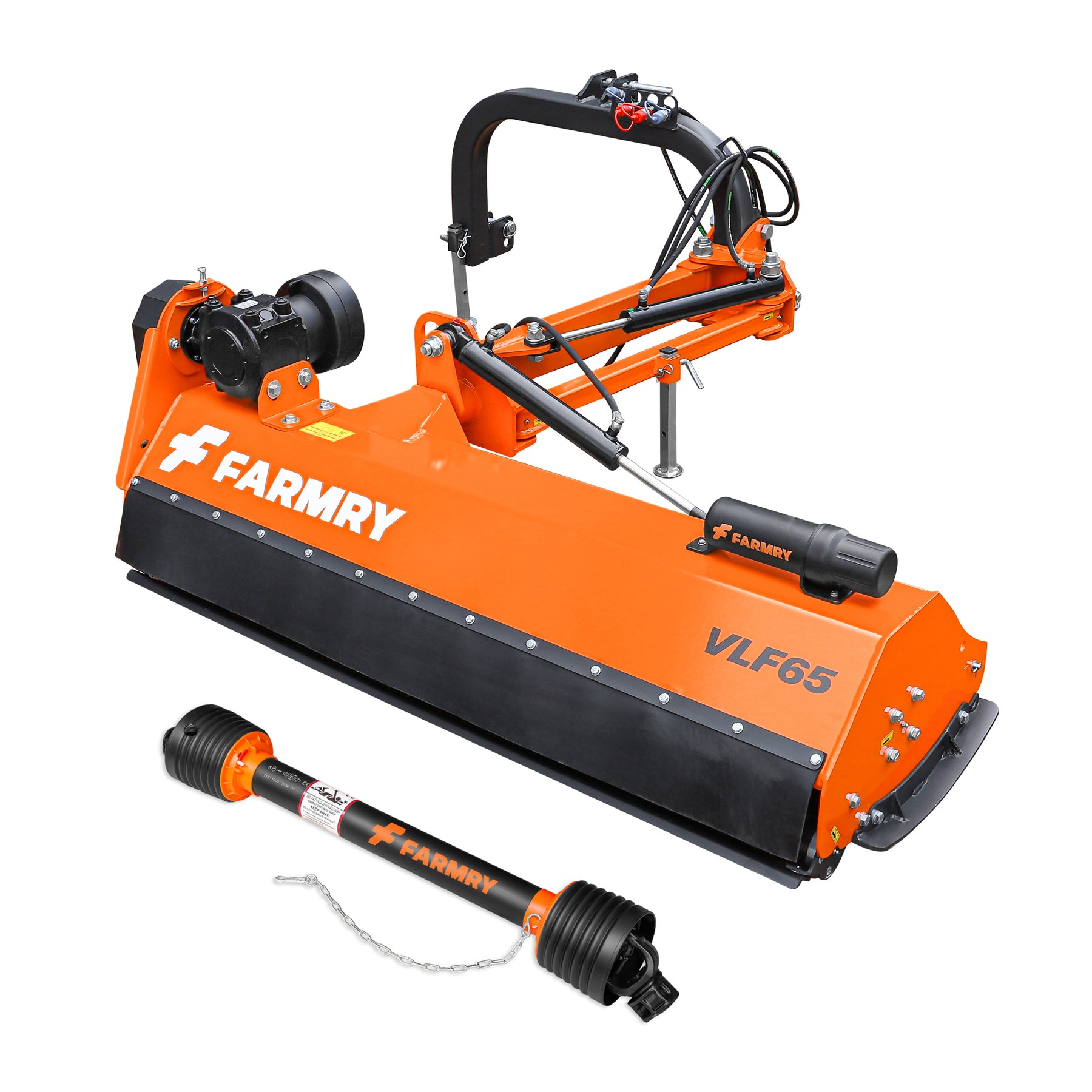
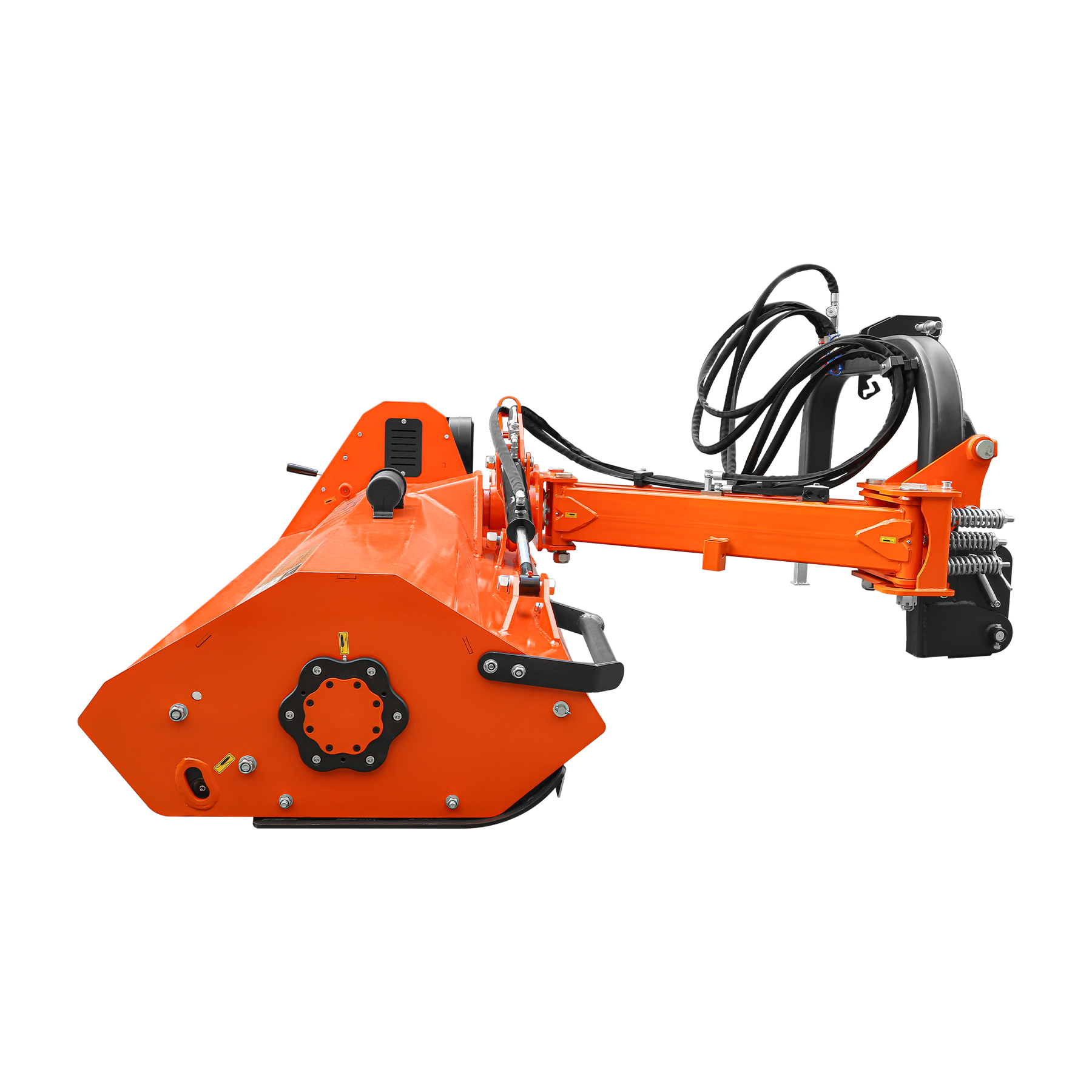
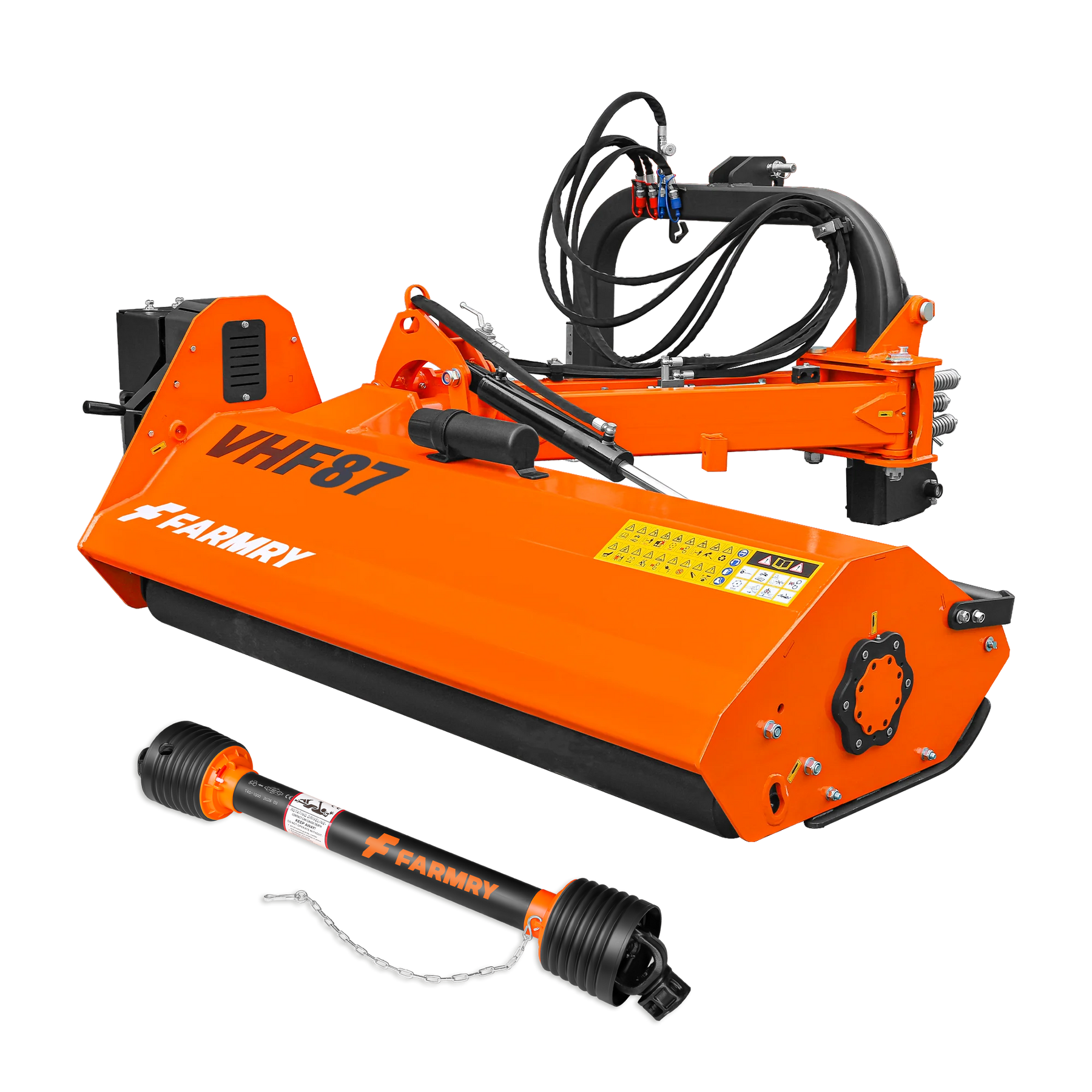
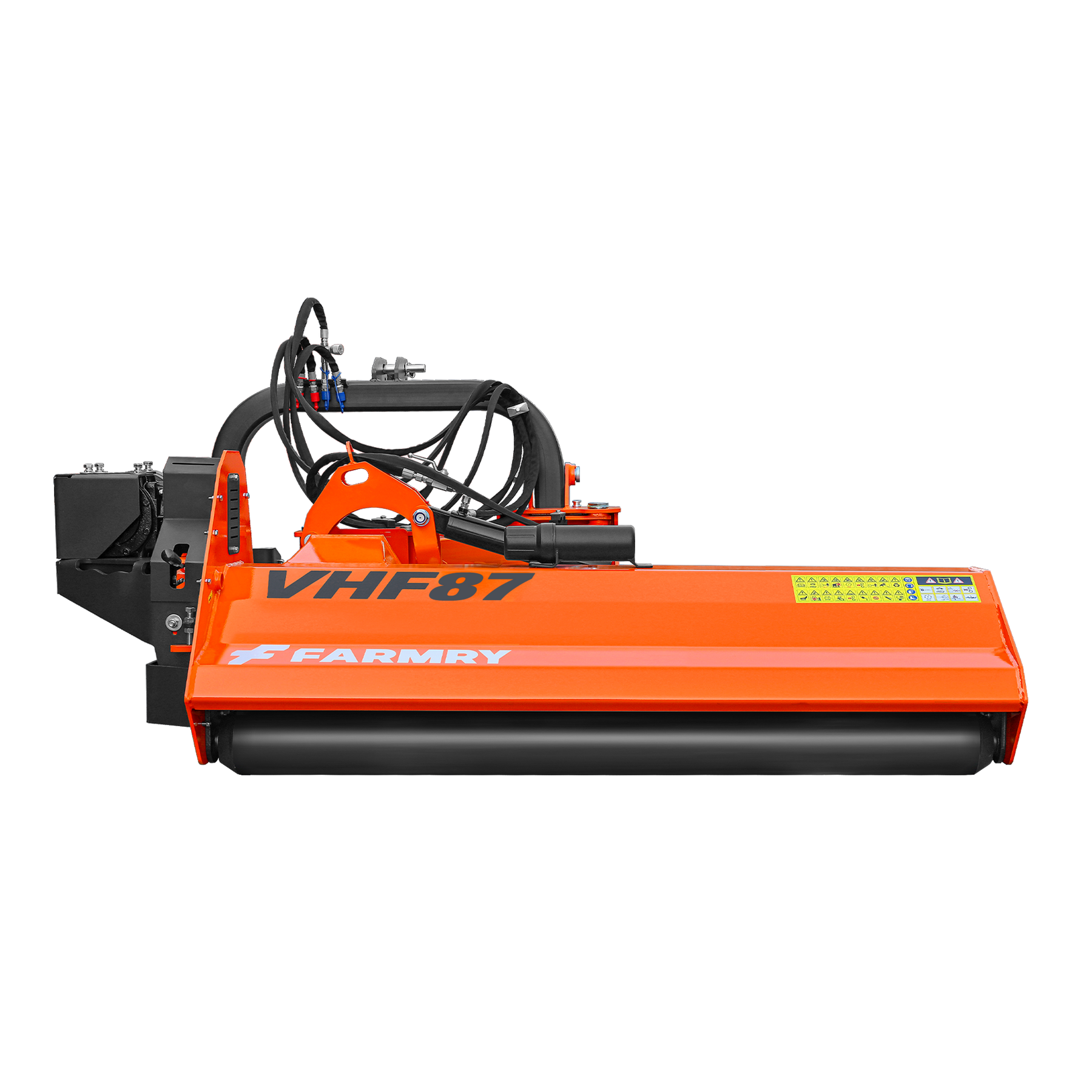
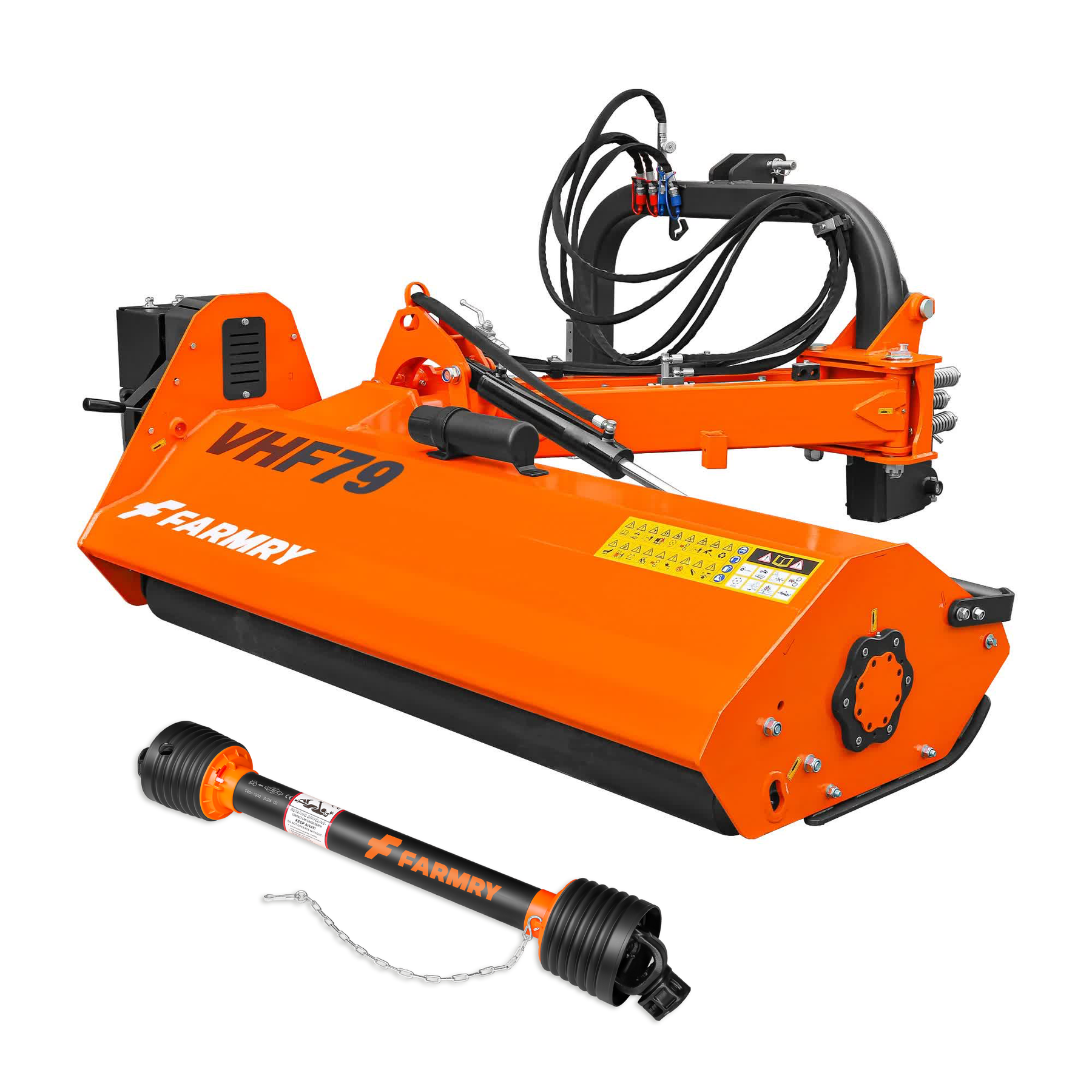
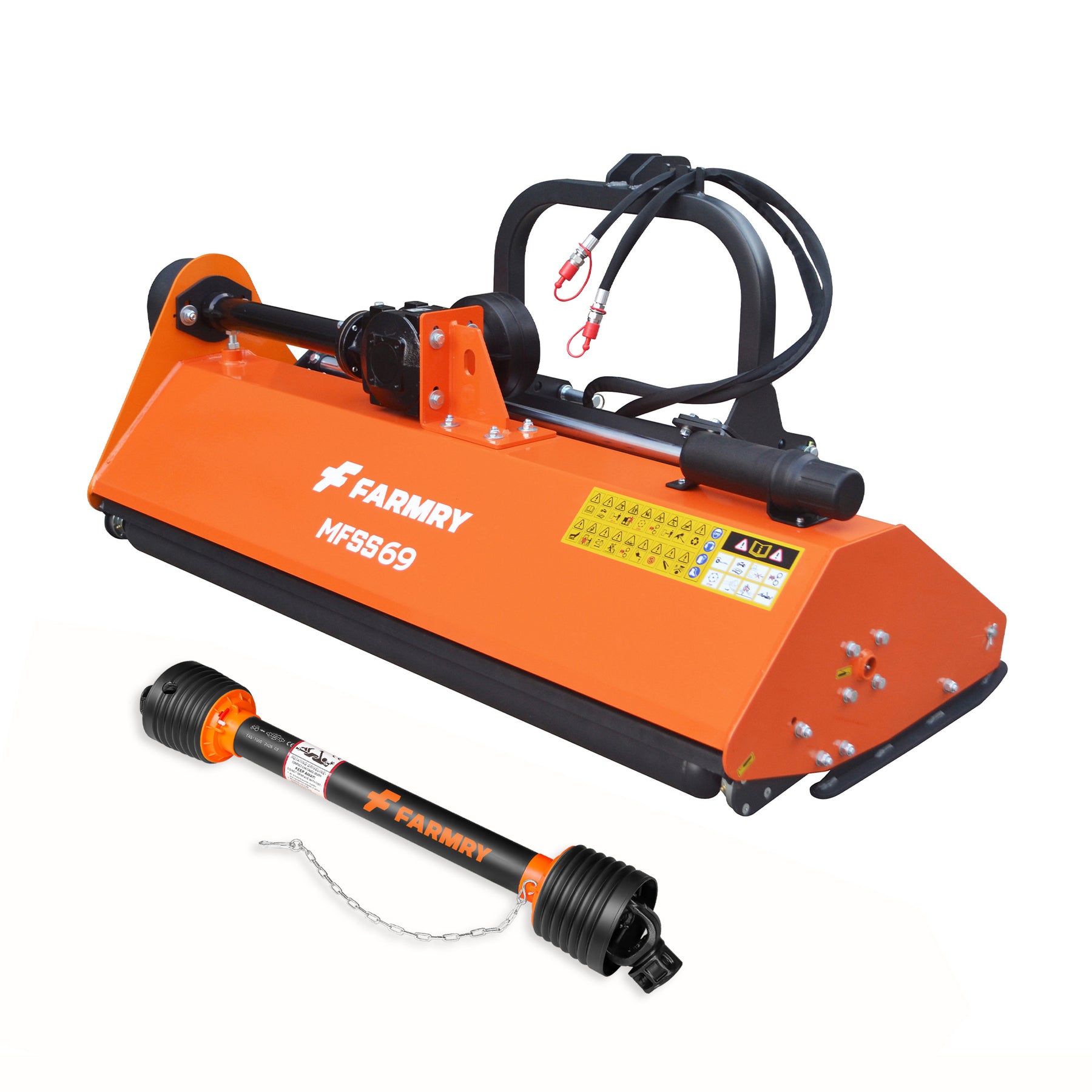
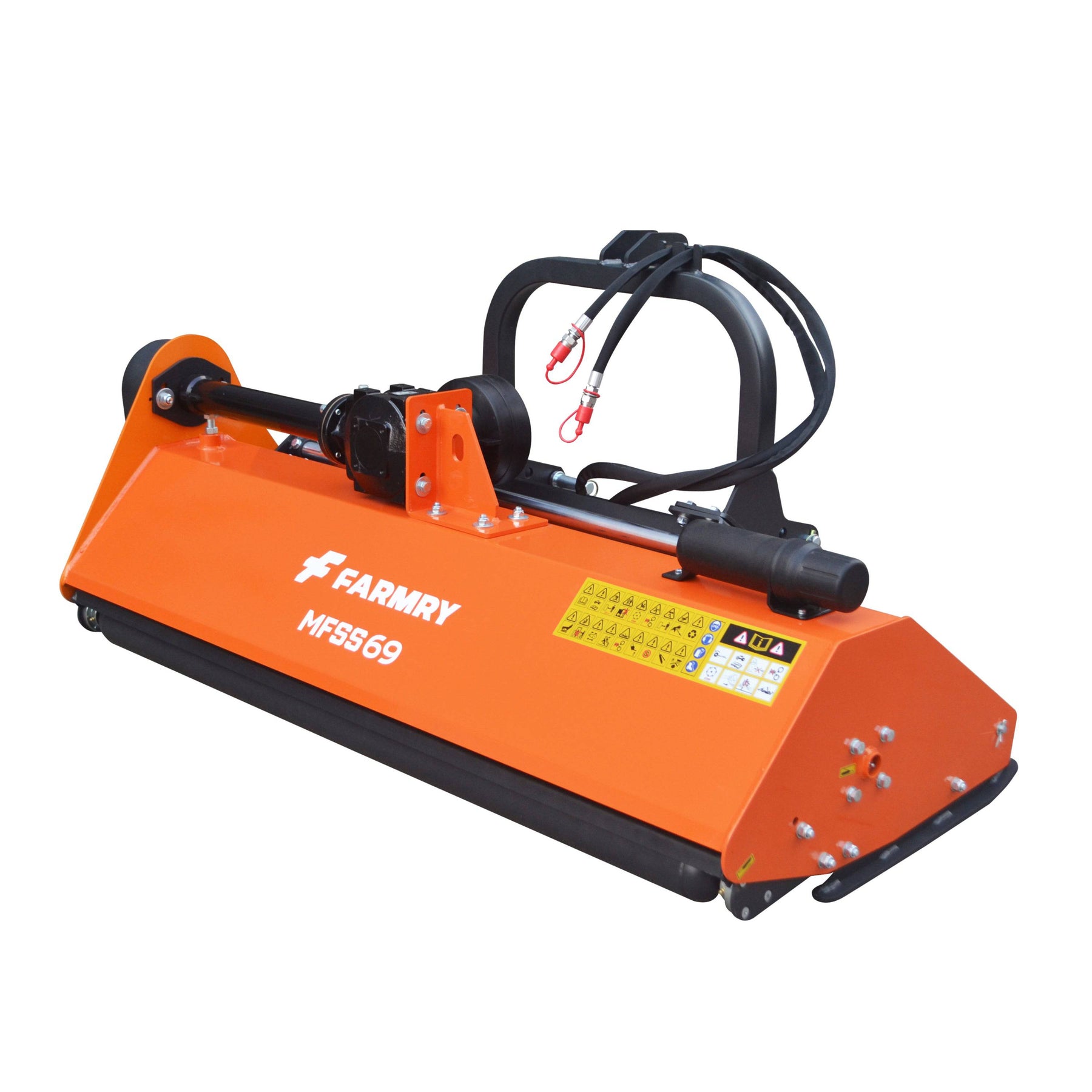
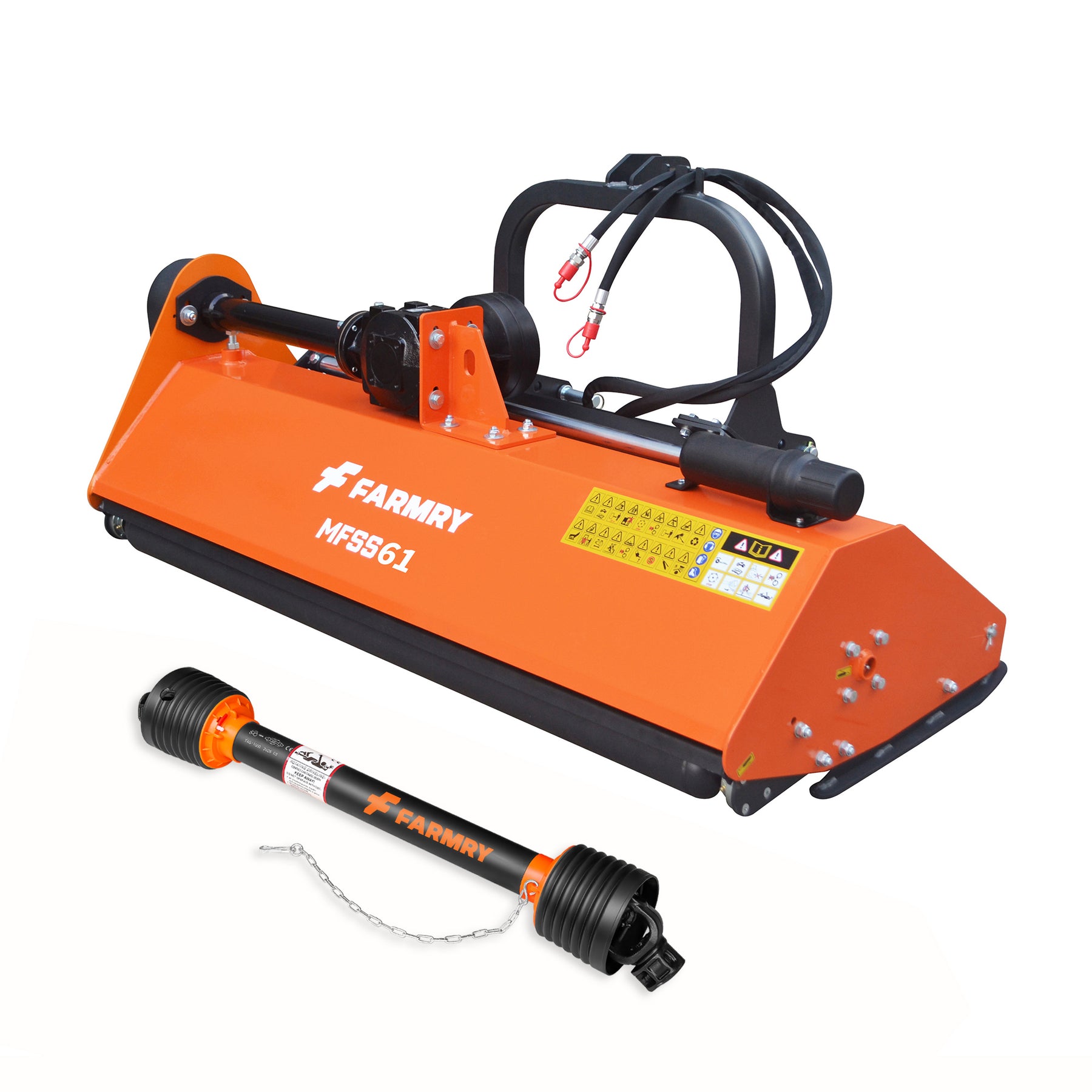
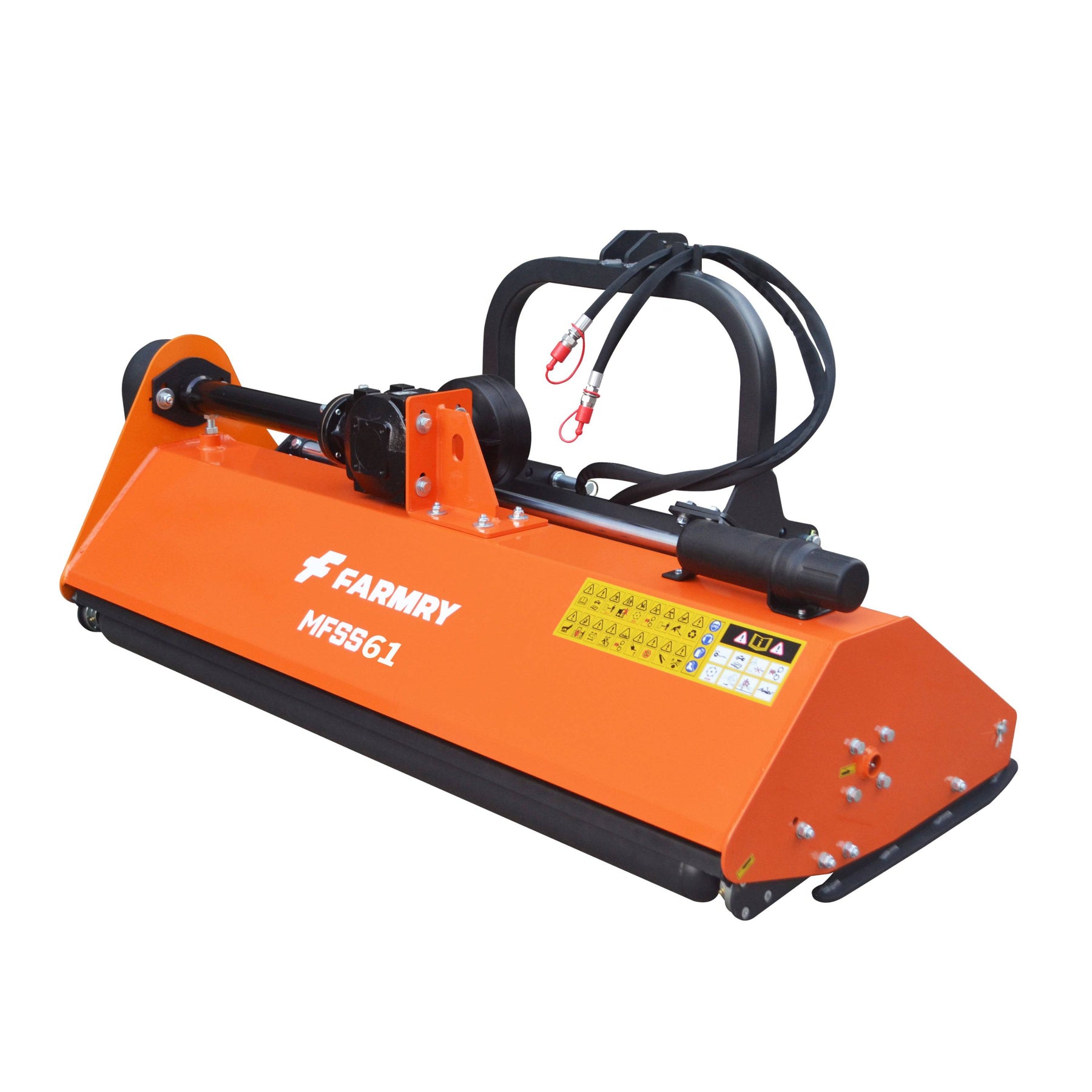
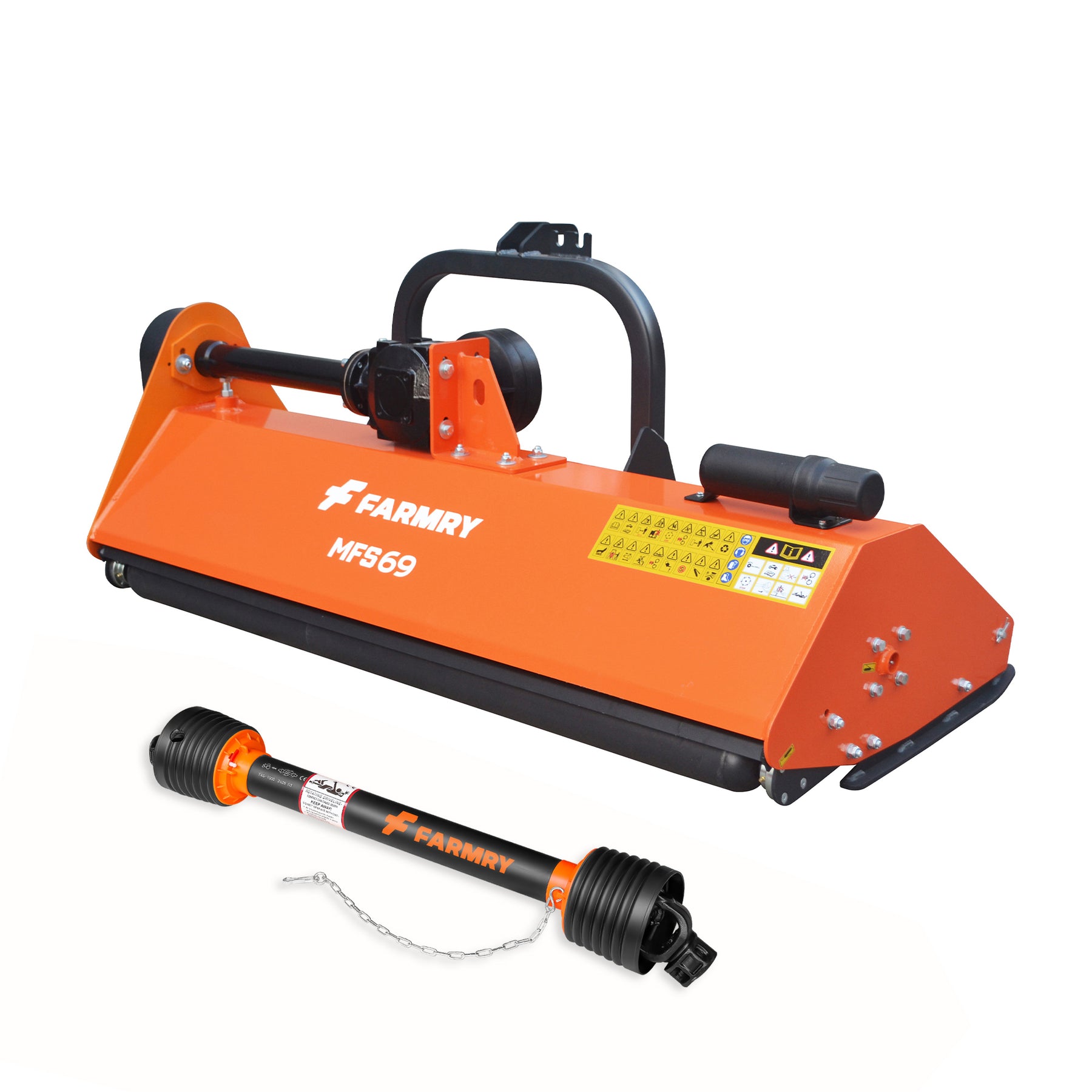
An offset flail mower is a heavy-duty mowing attachment designed to clear thick grass, light tree growth, and tough debris. A 3 point offset flail ditch bank mower connects to your tractor via a standard 3-point hitch type, and features a hydraulic offset arm that allows the mower head to swing outward or downward. This function is perfect for trimming along ditches, banks, and fence lines, especially in areas with uneven terrain.
Can a 3 point offset flail mower handle branches and rugged mowing conditions?
Can a 3 point offset flail mower handle branches and rugged mowing conditions?
Yes. These mowers are engineered with robust hammer blades that can chop through small branches, dense weeds, and rough vegetation. Combined with a floating design and adjustable skid shoes, the mower glides over ground without scalping or damaging the surface, making it ideal for roadside work, orchard rows, and hilly areas.
What type of tractor and hydraulics do I need to run an offset flail mower?
What type of tractor and hydraulics do I need to run an offset flail mower?
Your tractor should have at least 35–90 HP and be equipped with a 3-point hitch type (Category 1 or 2). A working rear remote hydraulic connection is essential to activate the hydraulic offset—this lets you move the mowing head side to side while operating, improving precision and access in tight areas.
How do I choose the right size, weight, and cutting width for my needs?
How do I choose the right size, weight, and cutting width for my needs?
Offset flail mowers vary in weight, width, and rotor diameter. For example, Farmry offers models with 60–87 inch cutting width and weight ranging from 800 to 1,200 lbs. Make sure your tractor can safely lift and operate the mower based on its power rating and your terrain type.
How do hammer blades and belts affect performance and maintenance?
How do hammer blades and belts affect performance and maintenance?
The hammer blades are built for durability and versatility, capable of cutting brush and mulch with a clean finish. Internally, belts transfer power from the PTO to the cutting rotor. Tensioned properly, they reduce strain on the system and keep performance smooth and consistent—even under load.
How is the mower head attached and secured for safety and stability?
How is the mower head attached and secured for safety and stability?
The mower head is securely attached to the main frame with reinforced steel brackets and heavy-duty bolts. This stable build keeps the machine balanced during offset operations and ensures safe performance, even while swinging the mower over slope edges or around obstacles.
Relevant Blogs